Discover the Future of Farming
The Science of Hydroponics
Explore the innovative world of hydroponics and learn how soilless farming is revolutionizing agriculture.
Efficient Growth
Sustainable Solutions
Advanced Techniques
Innovative Systems
Understanding Hydroponics
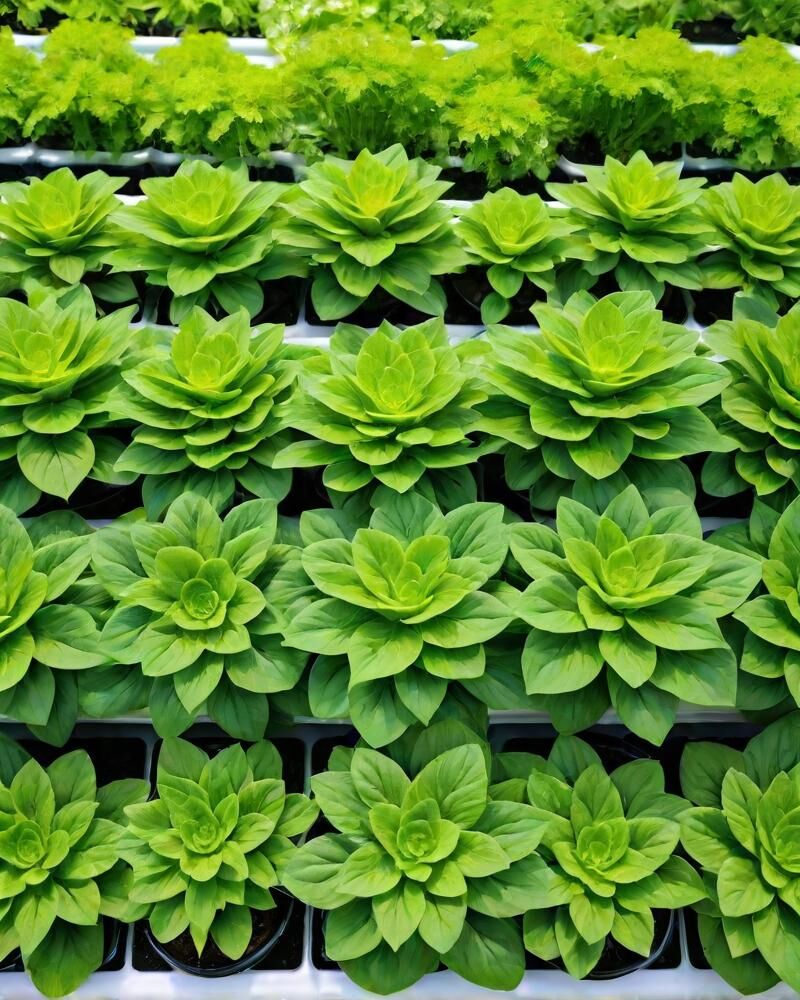
Types of Hydroponic Systems
Nutrient Film Technique (NFT)
This system involves a thin film of nutrient-rich water flowing over the roots of plants, providing a continuous supply of nutrients and oxygen. Ideal for leafy greens and herbs.
Deep Water Culture (DWC)
Plants are suspended in a nutrient solution with their roots submerged, allowing for direct nutrient absorption. This system is perfect for fast-growing plants like lettuce.
Aeroponics
In this system, plant roots are misted with a nutrient solution, providing high oxygen levels and efficient nutrient uptake. Aeroponics is known for its rapid growth and is often used for research purposes.
Nutrient Solutions
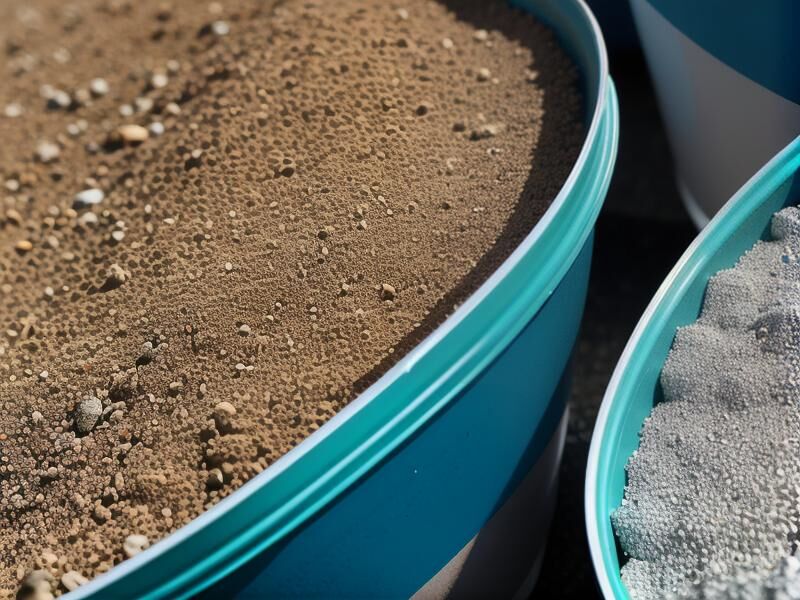
Essential Nutrients
Hydroponic systems rely on a balanced mix of essential nutrients such as nitrogen, phosphorus, and potassium to ensure optimal plant growth.
Custom Formulations
Tailored nutrient solutions can be created to meet the specific needs of different plant species, enhancing growth and yield.
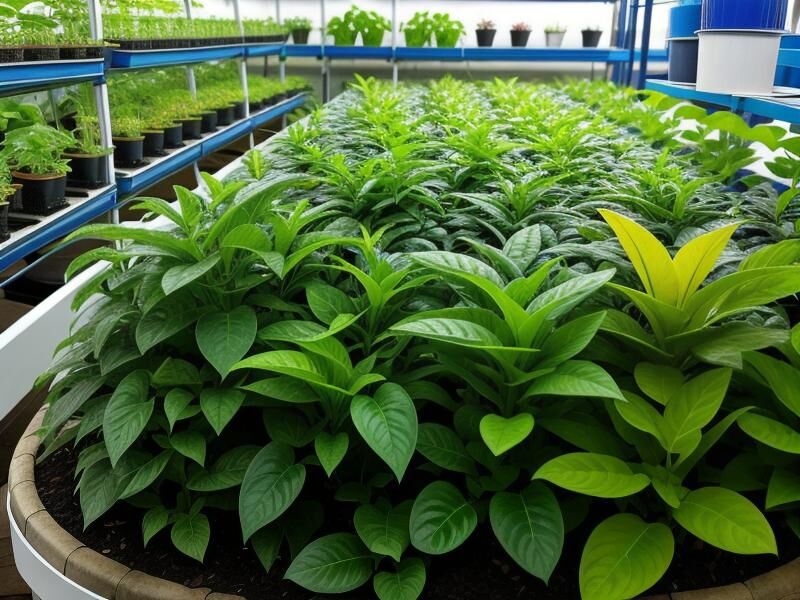
Hydroponics FAQs
Explore common questions about hydroponic systems and their benefits.
What is hydroponics?
Hydroponics is a method of growing plants without soil, using nutrient-rich water solutions to deliver essential nutrients directly to the roots.
How does a hydroponic system work?
In a hydroponic system, plants are supported in a growing medium, and nutrient solutions are circulated to provide necessary nourishment.
What are the benefits of hydroponics?
Hydroponics offers faster plant growth, higher yields, and reduced water usage compared to traditional soil farming.
What types of hydroponic systems are there?
Common types include nutrient film technique (NFT), deep water culture (DWC), and aeroponics, each with unique advantages.
Is hydroponics suitable for all plants?
While many plants thrive in hydroponic systems, some may require specific conditions or adjustments for optimal growth.
How do I maintain a hydroponic system?
Regular monitoring of nutrient levels, pH balance, and system cleanliness is crucial for maintaining a healthy hydroponic setup.