Master the Art of Hydroponic Maintenance
Essential Practices for Thriving Hydroponic Systems
Discover the key strategies to maintain your hydroponic systems efficiently, ensuring robust plant growth and system longevity.
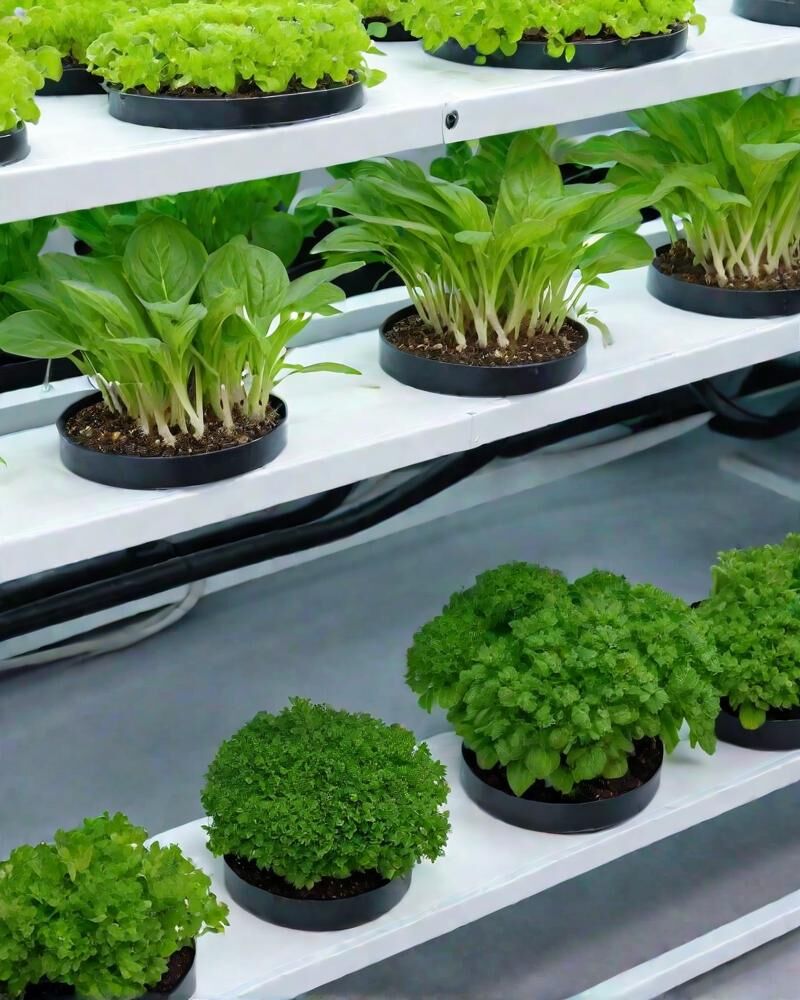
Optimize Your Hydroponic System
Best Practices for Maintenance
To ensure your hydroponic system operates at peak performance, it’s crucial to follow a set of best practices. Regularly monitor pH and nutrient levels to maintain a balanced environment for your plants. Keep the system clean by routinely flushing the reservoirs and checking for any blockages in the tubing. Ensure adequate lighting and ventilation to promote healthy plant growth. By adhering to these practices, you can maximize yield and extend the lifespan of your system.
Step 1
Check Nutrient Levels
Regularly test and adjust nutrient concentrations to ensure your plants receive the optimal mix for growth.
Step 2
Inspect Water Quality
Maintain clean water by checking for impurities and replacing it regularly to prevent algae and bacteria buildup.
Step 3
Monitor pH Balance
Keep the pH levels within the ideal range for your plants to absorb nutrients effectively and prevent stress.
Step 4
Examine System Components
Conduct routine checks on pumps, lights, and timers to ensure all components are functioning correctly and efficiently.
Troubleshooting Common Hydroponic Issues
Encountering problems with your hydroponic system? Here are some common issues and how to resolve them effectively.
Why are my plants wilting?
Wilting can be caused by insufficient water flow or nutrient imbalances. Check your water pump and ensure nutrient levels are correct.
What causes algae growth in my system?
Algae thrive in light and nutrient-rich environments. Reduce light exposure to the nutrient solution and clean your system regularly.
How do I fix root rot?
Root rot is often due to poor oxygenation. Ensure your air pump is functioning well and consider using beneficial bacteria to combat pathogens.
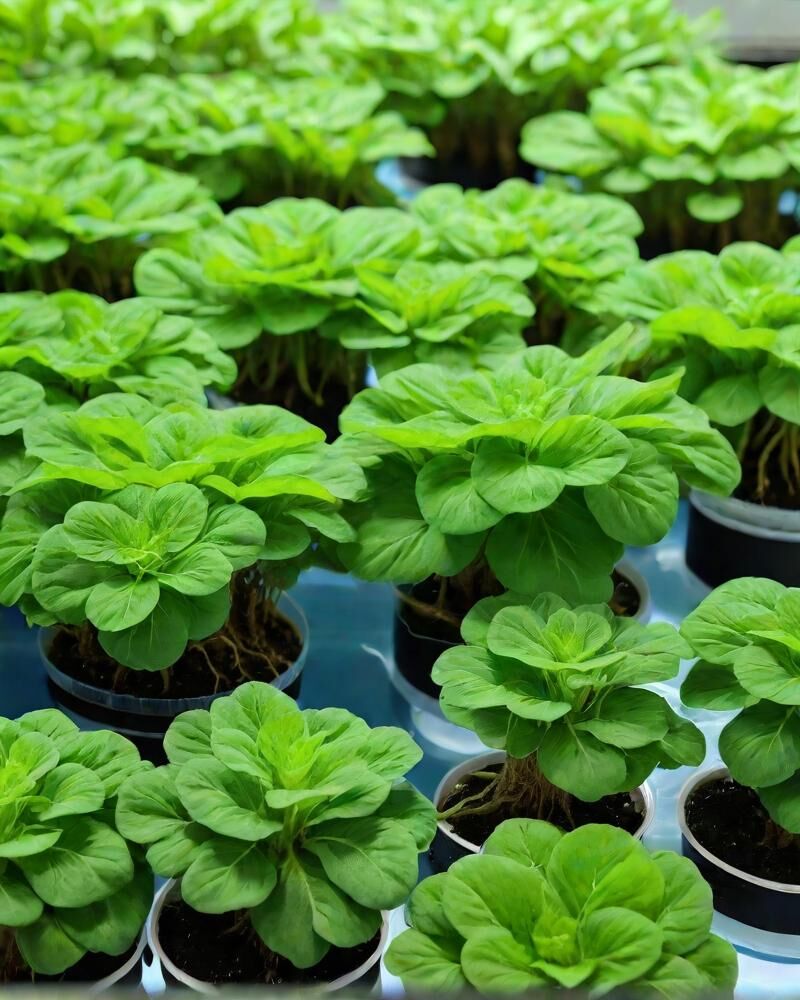
Optimizing Plant Growth in Hydroponics
Ensure Proper Lighting
Use full-spectrum LED lights to mimic natural sunlight and promote healthy plant growth.
Maintain Ideal pH Levels
Regularly monitor and adjust the pH of your nutrient solution to keep it within the optimal range of 5.5 to 6.5.
Use Quality Nutrients
Invest in high-quality hydroponic nutrients to ensure your plants receive all essential minerals and vitamins.
Regular System Checks
Conduct routine inspections of your system components to prevent leaks and ensure efficient operation.
Hydroponic System Maintenance FAQs
Find answers to some of the most common questions about maintaining hydroponic systems.
How often should I change the nutrient solution?
It’s recommended to change the nutrient solution every two weeks to prevent nutrient imbalances and contamination.
What is the best way to clean my hydroponic system?
Disassemble the system and clean all parts with a mild bleach solution or specialized hydroponic cleaning products.
How can I prevent pests in my hydroponic garden?
Use insect netting and regularly inspect plants for signs of pests. Introduce beneficial insects if necessary.
Why is the pH level important in hydroponics?
The pH level affects nutrient availability. Keeping it within the optimal range ensures plants can absorb nutrients efficiently.
What should I do if my plants are not growing well?
Check light, temperature, and nutrient levels. Adjust as necessary and ensure your system is free from clogs or leaks.
Can I use tap water for my hydroponic system?
Tap water can be used if it is filtered and treated to remove chlorine and other harmful substances.
Unlock the Secrets to Thriving Hydroponics
Discover expert tips and resources to enhance your hydroponic system’s performance. Dive into our comprehensive guides and ensure your plants flourish with minimal effort.