Kratky Method Fundamentals
What is the Kratky method?
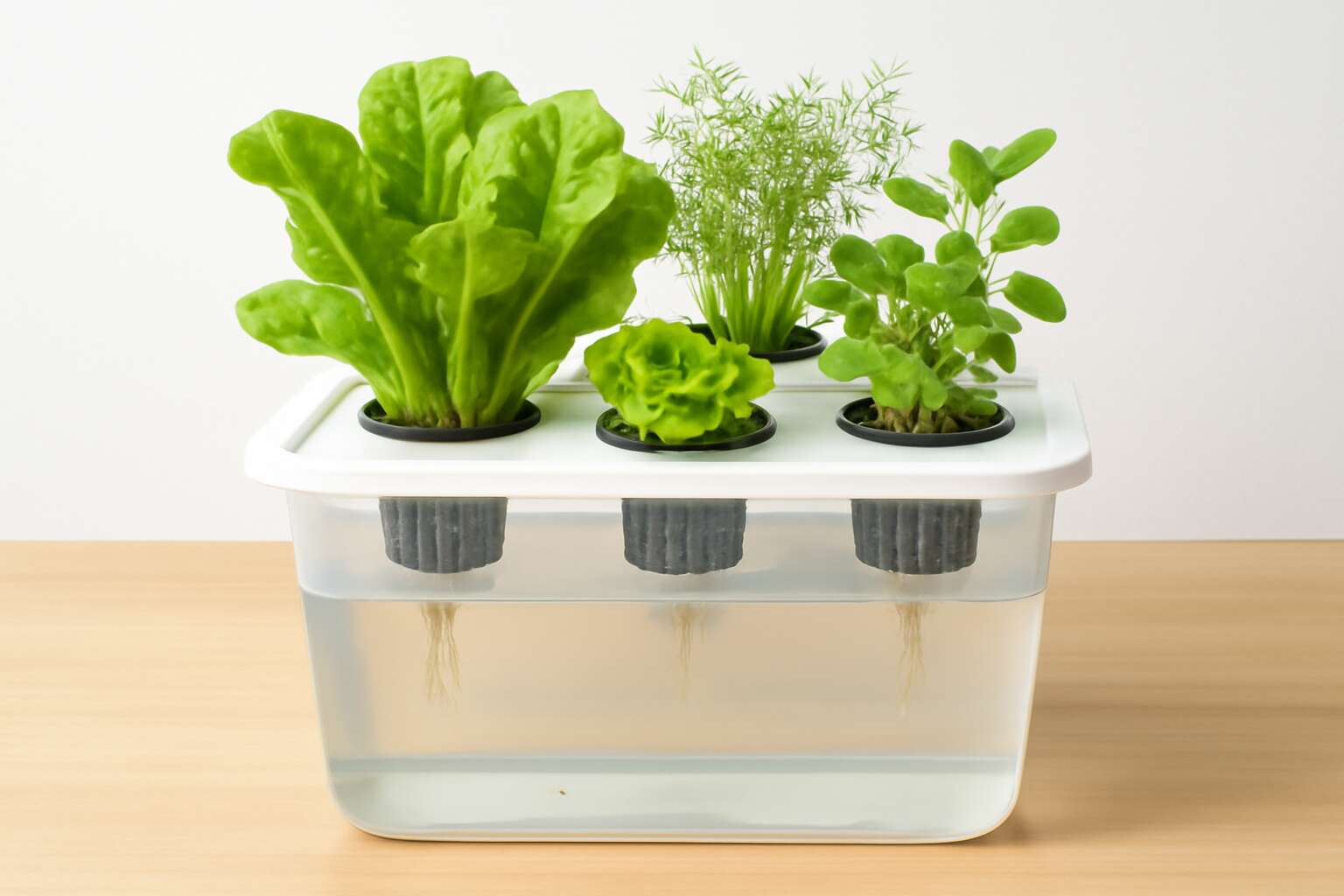
In the field of hydroponics kratky, the method is lean and reliable. It is a non-circulating system: a plant sits in a container with a nutrient solution at the base, and the roots extend into air as the water level slowly falls. No pumps, no timers—just a quiet, patient balance of moisture and oxygen.
Rooted in simplicity, this approach fits South Africa’s sun and smallholders well. It curbs energy use and keeps harvests steady when attention is scarce, turning limited space into a living patch.
Fundamentally, the system depends on stable nutrition, appropriate light, and a choice of crops that thrive with minimalist management—greens, herbs, and compact vegetables thrive in the Kratky setup.
How it differs from nutrient film technique and other hydroponics
“Lean, patient, precise,” a South African grower once told me, and it sticks. hydroponics kratky invites the sun inside and lets roots sip air at their own pace, a philosophy that favors simplicity over complexity. Differing from NFT and other methods, it relies on a largely static nutrient state that remains vigilant through observation rather than automation, a signature of hydroponics kratky!
- No pumps or timers – just a static reservoir that steadies the root zone.
- Difference from NFT: no continuous flow, more passive oxygen exchange.
- Lower equipment footprint suits small spaces and energy-conscious growers.
In South Africa, this approach suits sun-drenched balconies and compact courtyards, fostering steady harvests with minimal infrastructure. Its appeal to smallholders lies in delivering predictable outcomes when attention ebbs and energy is at a premium, a quiet triumph of design over disruption.
Ideal crops for a Kratky setup
On sun-burnished South African balconies, hydroponics kratky delivers a quiet harvest with surprising consistency—no pumps, no noise, just the steadiness of sun and patience. The approach invites stillness, letting roots drink air while the plant’s appetite grows in its own time.
Kratky fundamentals hinge on a largely static nutrient state, a shallow reservoir, and roots that drink air as the plant demands. The magic is in observation, not automation; you become the metronome, guiding growth with attention rather than hardware.
- Lettuce and other leafy greens
- Basil and other aromatics
- Spinach and chard
- Small fruiting crops like cucumbers or peppers
Ideal crops for a Kratky setup in South Africa lean toward quick turnovers and compact stature, with leafy greens at the core and herbs as the fragrant chorus. This is a method that rewards a listener who lets the reservoir breathe.
Benefits and limitations of passive hydroponics
On sunny South African balconies, compact harvests happen without pumps or noise—just sun, patience, and a quiet, stubborn resilience. I’ve found it’s possible to reduce water use dramatically; many urban growers report up to 90% less water compared with traditional soil beds.
Kratky fundamentals hinge on a largely static nutrient state, a shallow reservoir, and roots that drink air as the plant demands. The magic is in observation, not automation; you become the metronome guiding growth with attention, hydroponics kratky.
Benefits include:
- Whisper-quiet operation
- Low energy and equipment needs
- Portable balcony-friendly setup
Limitations include a narrower crop scope, sensitivity to light and nutrient stability, and less control than pumped systems.
Setting Up a Kratky System
Choosing a container and design for a Kratky setup
Across South Africa, urban growers report 40% faster harvests with compact hydroponics kratky setups, turning balconies into green cathedrals. The magic lies in a simple idea: let roots drink gently from a nutrient-rich reservoir while light and air do the rest.
- Lightproof reservoir and lid
- Wide access for topping up
- Food-grade, corrosion-resistant materials
Choosing a container and design starts with materials that stay clean and safe. Your container should be light-proof, large enough to hold the root zone, and easy to access for topping up nutrients.
Consider shape and placement: a tall, opaque tub minimizes algae, while a shallow tray keeps the crown near the light; position it where sun or grow lights can unfurl a steady glow.
Lighting, climate, and ventilation requirements
Across South Africa, urban growers report 40% faster harvests with compact hydroponics kratky setups, turning balconies into green cathedrals. The trick is light and air: let roots drink from a quiet reservoir while a steady glow does the lifting.
Lighting should stay cool and uniform: full-spectrum LEDs with a gentle 12 to 16-hour photoperiod keep growth steady without overheating the crown. Maintain a room temperature around 20–26°C and ensure fresh air circulates—passive vents or a small exhaust work wonders.
Place the reservoir away from direct sun to slow algae; use a lightproof lid, and give tops-ups a moment of open-air breathing when needed. A tidy, temperature-friendly environment translates into fewer surprises and tastier greens.
Step by step process to assemble a simple Kratky system
On compact balconies, South African growers report up to 40% faster harvests with hydroponics kratky. A clean container, a snug lid, and a single net cup set the rhythm for a tidy system. No fans, no fuss—just steady light and patient setup.
- Choose a clean container and lid, drill a modest hole for a net cup, and seal to keep light out of the reservoir.
- Pour nutrient solution into the reservoir to a level that keeps the root zone moistened as the plant grows.
- Place a net cup with starter medium into the lid so roots can reach the solution; secure the lid.
- Position away from direct sun in a cool, stable spot; monitor water level and refresh as needed.
That’s the essence of hydroponics kratky—compact, predictable, green.
Nutrient Management and Plant Nutrition
Nutrient formulation and solution management
pH and EC monitoring practices
Across South Africa’s urban plots, hydroponics kratky is turning kitchen windows into quiet engines of growth—lean, efficient, almost supernatural in its simplicity. In this setup, nutrient balance is the living thread that ties root to harvest, with pH and EC acting as the guardians of every nutritious leap.
Nutrient management and plant nutrition hinge on a balanced blend of macronutrients and trace minerals. In Kratky, the water slowly concentrates nutrients as volume falls, so EC becomes a barometer of salt buildup and nutrient availability, helping keep leafy greens thriving without fuss.
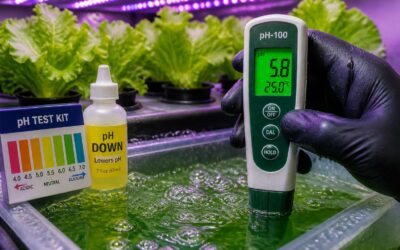
pH and EC monitoring practices focus on staying within ranges that favor uptake. pH affects the accessibility of iron, manganese, and calcium, while EC reflects overall nourishment. Together they guide gentle, steady growth in a compact, passive system that suits SA climates.
Comparing nutrient solutions: changes versus no-change
In hydroponics kratky, nutrient management is the quiet engine behind every harvest. You confront a choice: let the solution drift in concentration as water drops, or lock the mix in place and watch salts creep upward. Either path reshapes how minerals reach the roots and leaves.
Here are the two mental models, in plain language:
- Changes: as volume falls, nutrients concentrate. Growth can accelerate, but salt buildup and micronutrient lockout become risk factors.
- No-change: the recipe stays constant, offering predictability. Uptake may lag or oversupply elements as concentration shifts with evaporation.
South Africa’s urban plots reward a disciplined read of root signals and climate quirks. Whether you favor changes or no-change, the quiet arithmetic of evaporation and salinity will reveal how well this hydroponics kratky setup is feeding the city’s greens.
Troubleshooting nutrient deficiencies and toxicities
Urban growers across South Africa chase steady harvests. In hydroponics kratky, nutrient management is the quiet engine behind every leaf. Read the root-ward whispers, and your greens will answer with vigor.
Plants tell tales through color and texture. When nutrients misbalance, you may see chlorosis, edge burn, or limp growth. Common clues:
- Nitrogen deficiency: older leaves yellowing
- Iron deficiency: new growth pale
- Potassium deficiency: margins scorch
- Calcium deficiency: new growth curl
In this setup, salts creep as water ebbs, nudging salinity and trace availability. The plant leans on subtle signals—green, growth rate, leaf texture—to reveal when balance tilts.
Urban South Africa rewards mindful reading of climate quirks. Whether drift or constancy governs your mix, the dialogue between root, salt, and light writes the harvest’s fate.
Plant growth expectations and harvest timing in Kratky systems
Urban South Africa teaches patience, and in a Kratky tray that patience pays. In hydroponics kratky, nutrient management is the quiet engine behind every leaf. The plant’s appetite grows as the root ball expands, and a well-balanced start becomes the harvest’s tempo. There’s a moral rhythm here: restraint at setup yields reliability later, and reliability nourishes abundance without constant adjustment.
Plant growth in Kratky systems follows a humble script: light, warmth, and the plant’s own tempo determine when maturity arrives. You’ll notice steadier vigor, even coloration, and a window for harvest that respects the crop’s natural timeline. Read the root whispers—the texture, the color, the scent—to judge readiness.
- Early vegetative vigor aligns with leaf fullness
- Uniform chlorophyll indicates balanced nutrition
- Harvest readiness normally clusters in a predictable phase
Maintenance, Troubleshooting, and Optimization
Routine maintenance and sanitation
Maintenance in hydroponics kratky is the quiet engine behind consistent yields. Routine sanitation, fresh nutrient solution, and vigilant water management protect roots from disease and stagnation. Clean the container and lid, refresh the reservoir every 2–4 weeks, and seal light leaks to prevent algae buildup.
- Consistency in reservoir monitoring and water quality
- Periodic sanitation to prevent microbial buildup
- Regular root observation for signs of distress
Troubleshooting for hydroponics kratky centers on balance—oxygen, light, and temperature. If roots darken or foul, increase aeration. Algae signals light intrusion; shield the reservoir. In SA, minerals in tap water can drift EC; test and adjust, then recheck.
Optimization relies on steady conditions and selective tweaks. Small, deliberate adjustments in temperature, light, and depth yield healthier roots and steadier yields in a passive Kratky setup.
- Maintain stable temperatures to safeguard root health
- Choose crop varieties suited to a passive Kratky design
Pest and disease management in passive systems
In hydroponics kratky, maintenance is the quiet engine behind steady yields. In passive systems, clean containers, lids, and reservoirs guard against algae and disease, especially in South Africa’s sunlit corners where light leaks loom.
Troubleshooting centers on balance—oxygen, light, and temperature. If roots darken, notice possible airflow imbalance; algae signal light intrusion; shield the reservoir. For pest and disease management in passive systems, maintain cleanliness, barriers, and observation.
- A tidy environment often reduces pest pressure
- Quarantine of new plants casts a protective boundary
- Barriers and monitoring help detect symptoms early
Optimization rests on stable conditions; in hydroponics kratky, tiny shifts in temp or light ripple through roots. In SA, local water quality shapes nutrient uptake—monitor, adjust, and recheck rather than chase a fixed ideal. Choose crops suited to passive design.
Troubleshooting leaks, root health, and oxygenation
Maintenance keeps yields steady in hydroponics kratky. Clean containers, lids, and reservoirs guard against algae and disease, especially under South Africa’s bright sun. A tidy setup reduces heat buildup and keeps the root zone stable, supporting consistent uptake and growth.
Troubleshooting centers on leaks, root health, and oxygenation. Leaks compromise the delicate gas exchange balance and hint at degraded seals. Healthy roots stay white and firm; brown, slimy roots indicate oxygen stress. In kratky systems, oxygenation hinges on an air gap as the solution level falls; recognizing these signals guides timely adjustments.
Optimization hinges on stable conditions rather than chasing a fixed ideal. In SA, local water quality shapes nutrient uptake and therefore how the solution behaves. Light, temperature, and EC are interrelated; stability in these variables supports steady growth in this system.
Harvesting, cloning, and system longevity
Maintenance matters. Regularly wipe down tanks, lids, and reservoirs to deter algae and disease, especially under South Africa’s bright sun. A tidy setup minimizes heat pockets and keeps the root zone stable, supporting predictable uptake and steady growth.
Troubleshooting centers on leaks, root health, and oxygenation. Leaks undermine gas exchange and reveal worn seals. Healthy roots stay white and firm; brown, slimy roots scream oxygen stress. In kratky, oxygenation relies on the air gap as the solution level falls, so spotting these signals ensures timely tweaks.
In hydroponics kratky, optimization hinges on stable conditions rather than chasing a fixed ideal. Local water quality in South Africa shapes nutrient uptake and the solution’s behavior. Light, temperature, and EC are intertwined; steady values lay the groundwork for consistent harvests, healthy clones, and longer system life.

0 Comments