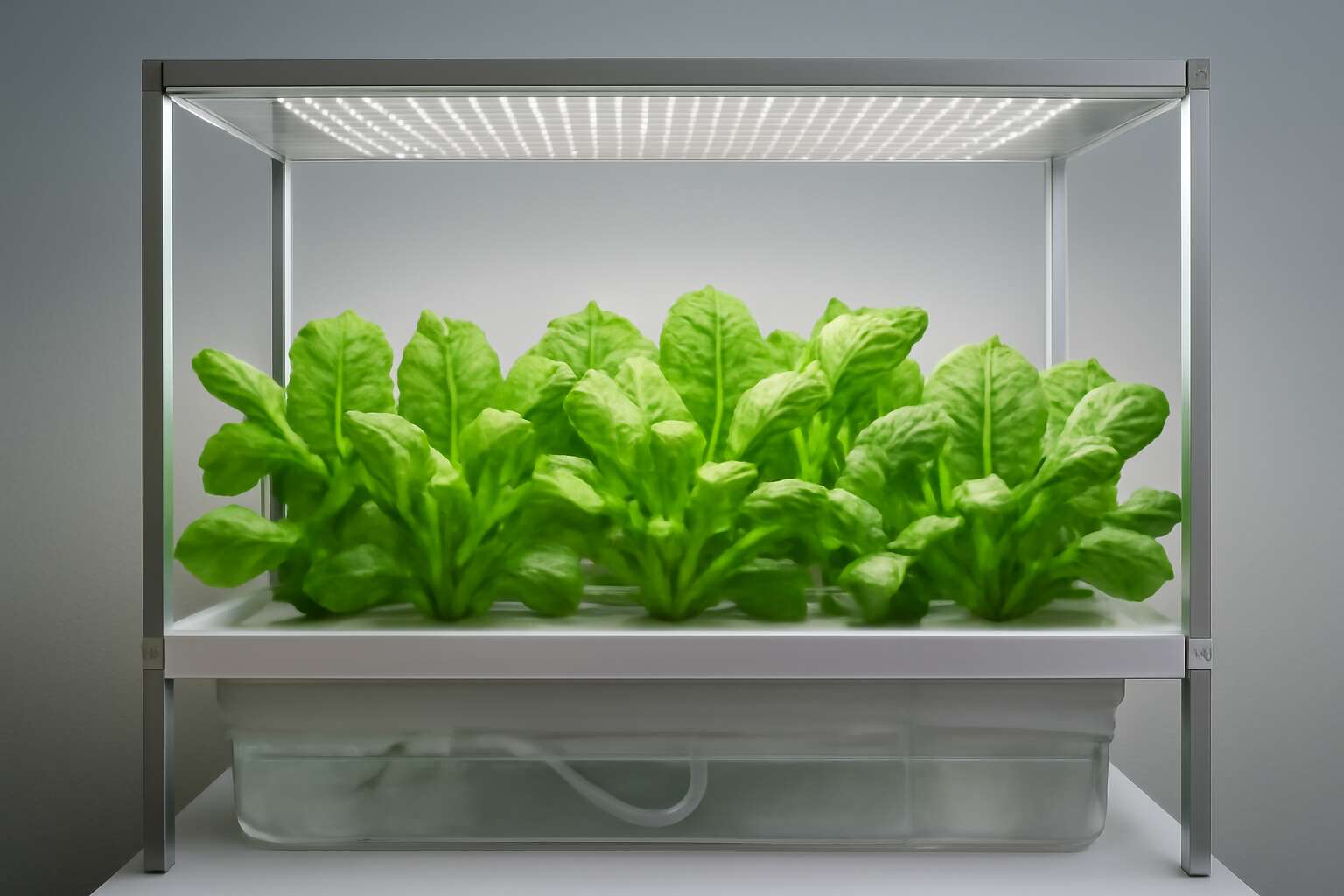
Hydroponics Safety Basics
What makes hydroponics safe?
Hydroponics safety basics run deeper than tidy trays and clean lights. In South Africa, where water and energy are precious, precision is protection—what is grown is as important as how it is grown. “Safety is a feature, not a fix,” a mentor once warned, and the idea sticks hard.
The question remains: are hydroponics safe? The answer rests on clean inputs, robust sanitation, and steady monitoring—no corners cut, no shortcuts taken.
- Water quality and nutrient balance
- Sanitation and equipment integrity
- Electrical safety and airflow
These pillars shape safe, steady harvests for homes and small farms across SA, supporting confidence from curiosity to cultivation.
Potential safety benefits of controlled environments
In a country where water is precious and the sun can be a stern taskmaster, are hydroponics safe? There’s a rhythm to the answer—careful design, disciplined inputs, and vigilant oversight emerge as the true guardians. I’ve learned that controlled environments turn risk into routine, letting crops breathe in a climate they can trust—even when drought or power disruptions loom! The magic lies not in mystery but in measurement, in watching sensors, and in keeping the system calm and predictable.
These controlled environments whisper safety through tangible benefits:
- Climate consistency reduces crop stress and helps avoid sudden losses
- Precise water and nutrient delivery cuts waste and contamination risk
- Automation and remote monitoring flag anomalies before they escalate
For South Africa’s homes and small farms, this translates into reliable, safe harvests that nurture confidence from curiosity to cultivation.
Common safety myths about hydroponic farming
In drought-prone South Africa, every drop counts. So, are hydroponics safe? The answer is a careful yes: safety lives in thoughtful design, clean inputs, and constant oversight. A controlled environment turns risk into routine—letting crops breathe in a reliable climate even when power dips or water is scarce. It’s measurement in action: sensors watched, streams tidy, starts sanitized. A quiet, almost supernatural certainty settles over the room.
Common myths drift in like fog. Here are truths that keep safety visible:
- Water-waste claims fall apart when systems recirculate and are checked for leaks.
- Nutrients must be food-grade; sanitation keeps produce safe.
- Automation aids safety, but skilled operators are essential.
- Small setups fit homes and small farms when designed for stability.
How hydroponics reduces contamination risk
Are hydroponics safe? The answer begins with disciplined design and clean inputs—safety becomes routine when every component is purpose-built for cleanliness. In a controlled room, crops breathe in a climate tuned for health, even when power dips or drought tightens water supplies.
Key practices that reduce contamination risk include:
- Leak-free, closed-loop water systems with regular checks
- Food-grade nutrients and sanitized tools
- Automation paired with skilled operators
In South Africa’s growing landscape, modular installations bring safety to homes and small farms alike, turning sterile certainty into everyday stewardship. Clean streams, careful pH balance, and steady sanitation help ensure produce remains pure as it travels from root to shelf.
Key safety takeaways for beginners
A controlled room hums like a quiet chapel of growth. In South Africa, trials show clean, closed systems slash contamination events dramatically—some studies report up to 80% fewer incidents. When people ask are hydroponics safe, the answer rests on disciplined design: every input, every tube, every pump is chosen for purity and reliability. Healthful crops emerge not by luck but by ritual, even as a power dip tests our resolve.
Beginners quickly learn that safety is built into routine, not luck. The energy lies in consistency—sanitation becoming instinct, water quality a steady whisper, and maintenance history guiding future decisions.
In South Africa’s varied climate, modular installations bring sterile certainty into everyday stewardship, turning root-to-shelf cleanliness into a practical habit you can feel in every bite.
Health and Food Safety Considerations
Nutrient and water safety best practices
South Africa’s urban gardens prove that are hydroponics safe can be more than a slogan—it’s a living promise. When nutrients travel with precision and roots drink clean water in a sealed, well-maintained system, produce tastes brighter and fresher. In a land of varied soils, this controlled approach keeps contaminants at bay while delivering reliable harvests with fewer inputs!
Health and food safety considerations hinge on nutrient and water safety. Regularly evaluating nutrient strength and maintaining clean reservoirs guard against off flavors and microbial risk. Rely on dependable water sources, minimize reservoir stagnation, and keep equipment simple and intact. So, are hydroponics safe when safeguards are steady, science-informed, and relentlessly hygienic? The answer lies in mindful stewardship.
Food safety considerations for hydroponically grown produce
“Safe food starts with safe water,” a Cape Town urban farmer reminds me. Health and food safety hinge on clean water and precise nutrients. In South Africa’s urban gardens, are hydroponics safe becomes a living promise when systems stay sealed, well maintained, and auditable. When roots drink clean water and nutrients travel exactly where they’re needed, harvests taste brighter and meals feel more hopeful.
Consider a few practical safeguards that don’t upend daily routines:
- Hygiene and sanitation culture
- Water quality and system cleanliness
- Traceability and consistent monitoring
I’ve watched neighbours find pride in these quiet routines, where hygiene and steady monitoring protect families and communities without fuss or drama.
Pesticide and residue management in hydroponics
In South Africa’s urban pockets, are hydroponics safe becomes a practical question about residue management rather than rumor. A Cape Town survey found hydroponic growers reporting up to 60% lower pesticide residues in leafy greens than soil growers, a striking reminder that clean inputs and careful practices matter. When water and nutrients are tightly controlled, risk compounds drift down the table—and harvests taste brighter.
- Sanitation and sealed reservoirs establish a predictable baseline between crops.
- Inputs with traceability and pesticide-free assurances support ongoing safety.
- Regular testing of the nutrient solution and discreet post-harvest rinses contribute to cleanliness.
Ultimately, the honest answer to are hydroponics safe lies in disciplined residue management and water hygiene. In South Africa, transparent practices, routine testing, and traceable inputs reassure consumers while keeping urban gardens flourishing—proof that safety can taste as bright as a Cape summer morning.
Post-harvest handling and storage safety
Fresh greens that arrive crisp in city markets offer more than color; they embody urban resilience and disciplined care. When people ask, are hydroponics safe, I remind them that safety is a post-harvest story as much as a growing one, rooted in how produce is handled after cutting and before plate arrival!
Post-harvest handling and storage safety hinge on clean sanitation, predictable storage environments, and transparent labeling—factors that preserve aroma, texture, and nutrient integrity in a South African context.
In urban farms, the conversation circles back to the rituals of care that guard every bite from field to fork.
System Design and Risk Mitigation
System materials and chemical compatibility
The question, are hydroponics safe, hinges on design that minimizes risk and materials that stand up to nutrient solutions. In South Africa, smart choices save crops and budgets alike.
System materials and chemical compatibility are not afterthoughts; they are the backbone of safe, reliable harvests. Choose food-grade plastics and corrosion-resistant metals for pumps and fittings!
- Food-grade plastics such as HDPE or PP that resist nutrient solutions
- Stainless steel or coated metals for pumps and fittings to curb corrosion
- Seals and gaskets rated for common cleaners and sanitizers used in SA
Design for risk mitigation: backflow prevention, clearly labeled chemical storage, and easy-clean surfaces help keep residues out of the food chain. Regular checks of MSDS, supplier certifications, and compatibility charts reinforce safety and protect crops.
Preventing cross-contamination and backflow
Safety in hydroponics begins at the plumbing. Are hydroponics safe? A design that keeps zones separate and flow controlled makes a big difference. In South Africa, isolated nutrient lines, air gaps, and fail-safe drains reduce contamination risk and backflow. The aim is a system that flags faults before crops are at risk, not after. Think in terms of intentional barriers and cleanable surfaces, and you’ll sleep better at harvest time.
Risk mitigation can be reinforced with a simple, clear setup:
- Dedicated clean water loops distinct from nutrient lines
- Automatic backflow preventers and air-gap protection
- Clear color-coding and labeled zones for easy audits
That’s why many ask are hydroponics safe.
Routine maintenance and safety audits
What if the lifeblood of your greenhouse could betray or safeguard your harvest? In South Africa’s arid corridors, are hydroponics safe hinges on design that fences zones and tames flow with quiet rigor. I’ve watched systems that flag faults before crops falter—it’s almost supernatural!
- Dedicated clean water loops distinct from nutrient lines
- Automatic backflow preventers and air-gap protection
- Clear color-coding and labeled zones for easy audits
System design becomes a nightly vigil, and routine maintenance along with safety audits keeps the garden’s heartbeat steady. Leaks, seals, and sensor whispers are read like portents, ensuring the harvest remains unblemished. The question lingers, answered by sober, ongoing stewardship.
Regulatory, Certification, and Environmental Impact
Regulatory standards and compliance for commercial growers
South Africa’s water-stressed landscapes make the question are hydroponics safe a practical one when farms align with clear rules. Controlled environments yield consistent harvests, traceability, and safer produce that retailers trust.
Regulatory standards and compliance for commercial growers are anchored by DALRRD and NRCS, with SABS references for equipment and materials. EIAs and water-use licenses guard rivers and aquifers, while routine audits keep backflow checks and records tidy.
Certification turns compliance into market edge. HACCP or ISO 2200 signals robust controls; SABS certification validates components; GAP frameworks guide responsible farming.
- HACCP/ISO 2200 safety controls
- SABS certification for components
- GAP-based hydroponics practices
Environmental impact: hydroponics can minimize land use and runoff, yet it demands careful energy budgeting and nutrient stewardship. Ongoing EIAs and monitoring help balance production with local ecosystems.
Certification programs relevant to hydroponics
SA’s drought-prone farms have taught us one blunt truth: are hydroponics safe isn’t a theoretical debate but a practical concern. Regulatory standards anchor this with DALRRD and NRCS, while SABS readings govern equipment and materials. EIAs and water-use licenses guard rivers and aquifers, and routine audits keep backflow checks and records tidy. In controlled environments, growers trade uncertainty for consistent harvests and safer produce retailers can trust.
Certification turns compliance into a market edge. HACCP or ISO 22000 signals robust controls; SABS certification validates components; GAP-based hydroponics practices.
- HACCP/ISO 22000 safety controls
- SABS certification for components
- GAP-based hydroponics practices
Environmental impact: hydroponics can minimize land use and runoff, yet it demands careful energy budgeting and nutrient stewardship. Ongoing EIAs and monitoring help balance production with local ecosystems. The net effect is a system that respects nature while feeding the nation.
Environmental impact: water use and energy efficiency
Regulatory oversight in South Africa grounds the safety story of hydroponics in clear, enforceable rules, as if a shield forged in policy. DALRRD and NRCS anchor what can be grown, how equipment is rated, and how water use is tracked, while EIAs guard rivers and aquifers. When stakeholders ask, are hydroponics safe, the answer rests on visible compliance and traceable records.
Certification turns compliance into a market edge. HACCP or ISO 2200 signal robust controls; SABS certification validates components; GAP-based hydroponics practices align with best-practice standards across growing, harvesting, and handling.
- Regulatory touchpoints: DALRRD, NRCS, EIAs, water-use licenses
- Certification marks: HACCP/ISO 22000, SABS, GAP
- Environmental stewardship: energy budgeting, nutrient stewardship, water-use monitoring
Environmental impact: water use and energy efficiency play starring roles. Ongoing EIAs and continuous monitoring balance production with local ecosystems, delivering a system that respects nature while feeding the nation.
Wastewater and nutrient solution disposal guidelines
In South Africa, drought seasons sharpen the truth behind the question are hydroponics safe? The answer rests on policy and practice. Regulatory touchpoints—DALRRD, NRCS, EIAs, and water-use licenses—anchor what can be grown, how equipment is rated, and how water use is tracked.
Certification turns compliance into a market edge. HACCP or ISO 22000 signal robust controls; SABS validates components; GAP-based hydroponics practices align with best-practice standards across growing and handling.
Environmental stewardship now includes wastewater and nutrient solution disposal guidelines. Ongoing EIAs and monitoring balance production with rivers and aquifers, guiding energy budgeting and water-use monitoring so the system nourishes the nation without compromising nature.
- Wastewater treatment expectations and nutrient recovery as part of compliance
- Containment and backflow prevention to protect water systems
- Regular effluent quality monitoring and reporting to satisfy regulators and certifiers
Food safety training and staff hygiene practices
“Water is the new currency,” a South African agrarian saying echoes, and in that truth lies the question: are hydroponics safe? The answer flows from governance, training, and transparency rather than glossy gear.
Regulatory touchpoints—from DALRRD to NRCS, EIAs, and water-use licenses—anchor what can be grown, how equipment is rated, and how water use is tracked.
Certification turns compliance into trust: HACCP or ISO 22000 signal robust controls; SABS validates components; and GAP-based practices pull hydroponics into best-practice standards for growing and handling.
Environmental stewardship now embraces food safety training and staff hygiene practices. Regular hygiene rituals, clean PPE, and rigorous hand-washing protocols safeguard the chain from plug to plate.
- Onboarding that covers sanitation and allergen awareness
- Ongoing refresher courses and audits
- Clear visitor controls and footwear policies
Traceability and recall readiness in hydroponic systems
In the dim glow of a controlled chamber, safety isn’t a gadget—it’s governance. The question, ‘are hydroponics safe’, drifts beyond hype toward licenses, audits, and transparent records. ‘Safety is governance, not a gadget,’ the old whisper in the greenhouse repeats. DALRRD, NRCS, EIAs, and water-use licenses anchor what can be grown, how equipment is rated, and how water is tracked. The truth arrives on paper before it touches the plate.
Certification turns compliance into trust. HACCP or ISO 22000 signal robust controls; SABS validates components; and GAP-based practices pull hydroponics into best-practice standards for growing and handling. These sigils of quality glow in the margins, a quiet chorus in a dark greenhouse.
- HACCP or ISO 22000 signal robust controls
- SABS validates components
Environmental impact traceability and recall readiness weave through every nutrient cycle. Batch codes, water tests, and waste disposal records become pathways to action, should contamination or mislabeling strike. Preparedness isn’t fear—it’s a quiet, patient safety spell for South Africa’s hydroponic farms.

0 Comments