Hydroponics farming essentials
Overview of soil-less cultivation
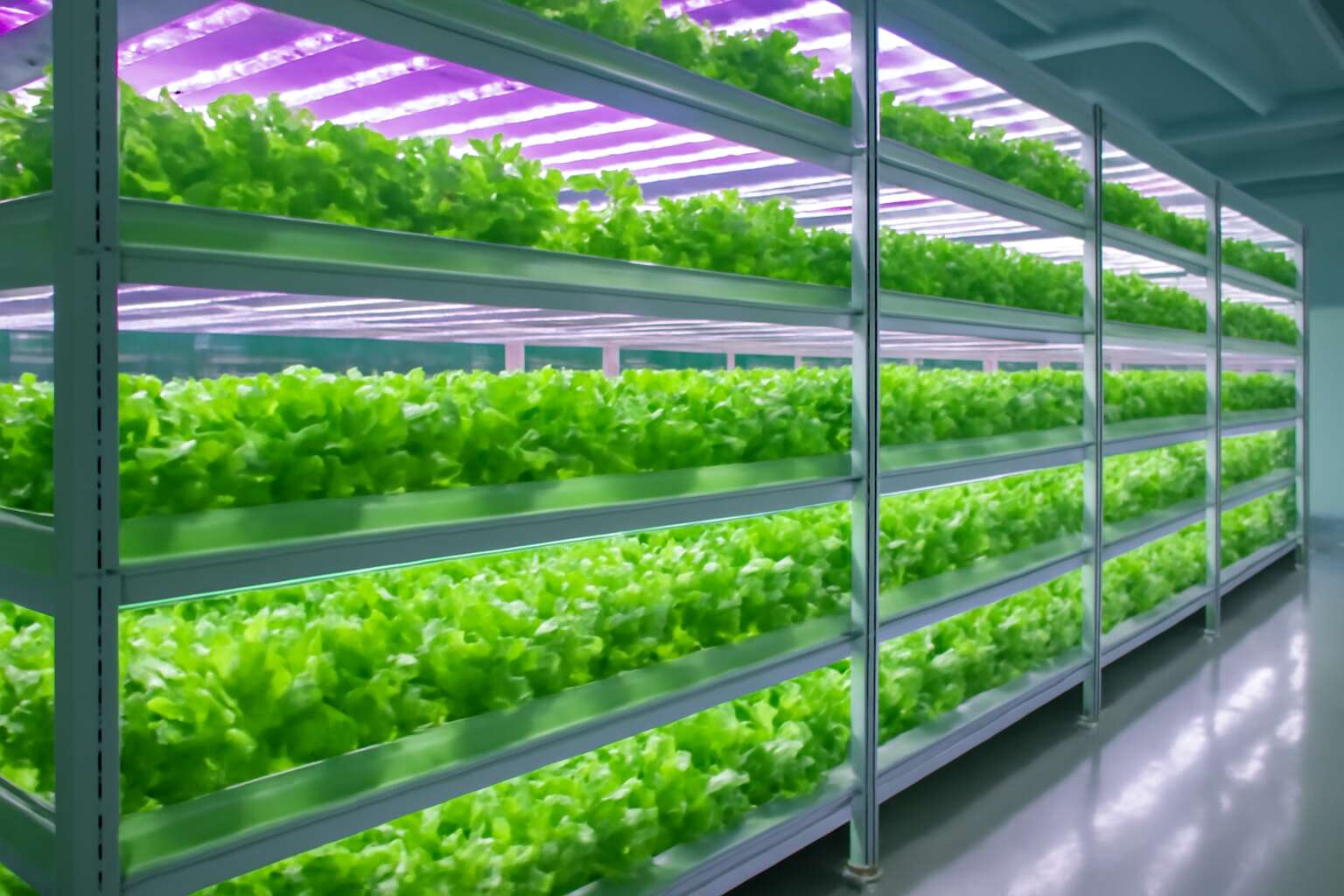
In South Africa’s arid corners, hydroponics farming practices redefine growth—yielding more with far less water. Recent figures promise up to 90% water savings versus soil farming, a statistic that makes farmers and investors nod in agreement. This overview of soil-less cultivation celebrates a clean, precise approach where roots sip a nutrient mist rather than wrestle with soil.
Essentials for success are practical enough to fit a compact operation. Here are core elements:
- Nutrient solutions for recirculation
- Controlled light, heat and airflow
- Water quality checks with pH and EC monitoring
- Root-support media and monitoring sensors
In practice, this fusion of science and design suits South African markets where urban spaces bloom; it keeps conversations civil while quietly boosting yields.
Choosing a hydroponic system for beginners
South Africa’s thirsty climate makes every drop count, and hydroponics farming practices prove you can grow more with far less water. For beginners, the choice isn’t sci‑fi, but practical space, budget, and ambition.
Start with a compact kit and weigh these beginner-friendly options:
- Deep Water Culture (DWC): simple, oxygen-filled hug for roots
- Nutrient Film Technique (NFT): slim, space-saving trickle of nutrient solution
- Drip systems: reliable, scalable, and forgiving for modest rooms
- Ebb and Flow: gentle cycles that suit leafy crops
Whichever you pick, plan for light, climate control, and quiet sensors that cooperate with your busy life rather than shout for attention.
Key environmental factors
In a land where the sun can boil a bottle of water dry, every drop counts. South Africa’s trials show hydroponics farming practices can slash water use dramatically—some growers report up to 70% less irrigation while boosting yields. It’s not fantasy; it’s precise, patient engineering turning small spaces into green oases.
Key environmental factors do the heavy lifting. Light quality, temperature, humidity, and air movement knit a living microclimate that keeps roots breathing. I’ve stood beside silent kits where CO2 enrichment, careful pH, and steady EC create a steady rhythm rather than a chaotic spray of guesswork. Consider these essentials:
- Light intensity and spectrum that align with crop stage
- Stable temperature and reliable cooling or heating
- Consistent humidity and proper air exchange
- Healthy nutrient solution with balanced pH and EC
- Oxygenation of the root zone and proper reservoir aeration
Water quality and recycling
In a land where dam levels dictate the pace of harvests, hydroponics farming practices deliver a tauter promise: some growers report up to 70% less irrigation while yields rise. Water becomes a currency measured, reused, and guarded—an art form transforming small spaces into lush, sunlit oases!
Water quality and recycling underpin every thriving system.
- pH balance and EC control to keep nutrient uptake steady
- closed-loop reservoirs that minimize waste
- oxygenation and aeration to sustain root respiration
- backflow prevention and contaminant safeguards
Across South Africa, these practices turn scarcity into abundance. The craft rests on balance—consistent water chemistry, disciplined recycling, and a reverent attention to how each drop moves through the loop.
Nutrient management in hydroponics
Understanding hydroponic nutrients and formulations
Across South Africa, precision nutrient management can boost harvests by as much as 30% in hydroponics farming practices. Nutrient management in hydroponics is the lantern that guides roots through a liquid realm, where salts dissolve into a feed. The right formulations unlock blooms instead of browns, and the balance between growth and fruiting shapes the harvest.
Understanding hydroponic nutrients and formulations means distinguishing macro-nutrients from micro-nutrients, and appreciating how chelating agents keep trace elements available. Base salts, ready-to-use blends, and custom mixes tell different stories for crops, from leaf greens to peppers, written in a soluble, invisible language that crops understand.
- Macro- and micronutrients form a complete palette for plant metabolism
- Formulations vary by crop type and growth stage, not by guesswork
- Chelating agents help keep minerals available in the solution
Through mindful composition, even a quiet reservoir can become a thriving Eden of flavor and resilience.
EC, pH, and nutrient uptake
A well-tuned nutrient stream can lift yields by up to 30%—in South Africa, that’s not hype, it’s reality. EC and pH are the gatekeepers of nutrient uptake; misbalance makes roots either starved or stressed.
- Maintain EC within crop-specific ranges (roughly 1.5–2.5 mS/cm for leafy greens; adjust up for fruiting crops) to avoid salt buildup and lockouts.
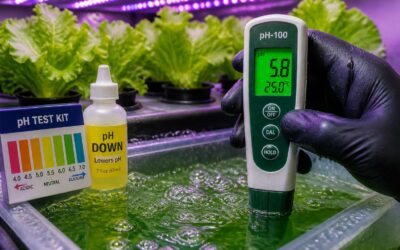
- Keep pH in the preferred window (about 5.5–6.5 for most vegetables) so minerals stay soluble and accessible.
- Monitor the root zone for oxygen and temperature; healthy roots take up nutrients more efficiently, while stagnant solutions choke uptake.
This approach is at the heart of hydroponics farming practices, turning a quiet reservoir into a flavor powerhouse with predictable uptake dynamics.
Nutrient delivery methods and schedule design
In South Africa, a precisely tuned nutrient stream can lift yields by as much as 30%—a harvest-driving pulse I’ve witnessed in quiet reservoirs and bright trays. Nutrient management becomes a concerto where balance and timing decide the flavor and texture of every crop.
Delivery methods shape how that concerto plays.
- Drip fertigation for steady, scalable dosing
- Nutrient Film Technique (NFT) for efficient circulation
- Aeroponics or deep-root mist for rapid uptake
Each method has its rhythm and share of risk, so align with crop type and scale.
Schedule design is the baton. I choreograph feeds to match growth stages, light cycles, and rooting tempo, subtly adjusting EC and timing to sustain vigour without waste. This cadence stands at the heart of hydroponics farming practices.
Nutrient solution monitoring and adjustments
In South Africa, a carefully tuned nutrient solution can lift yields by as much as 30%, turning quiet reservoirs into engines of growth and discovery.
Nutrient solution monitoring is a daily ritual—calibrating feeds, verifying that the mix remains balanced, and refreshing reservoirs before stagnation creeps in. Adjustments honor growth stages while guarding against waste and salt buildup.
Key indicators to watch include:
- Solution clarity and color
- Reservoir temperature and aeration
- Nutrient consumption rate and refill cadence
- Microbial balance and biofilm formation
When passed through the lens of meticulous care, nutrient management becomes a living system, shaping taste, texture, and resilience within hydroponics farming practices.
Troubleshooting common nutrient issues
Across South Africa, a properly tuned nutrient regime can lift yields by up to 25%, turning quiet reservoirs into engines of flavor and resilience. When balance slips, growth slows, colors dull, and the plant speaks in sighs rather than song.
In the world of hydroponics farming practices, nutrient issues reveal themselves through the plant: leaf yellowing, uneven vigor, and curling tips tell stories of uptake and balance.
- Leaf yellowing or mottling indicating a micronutrient or pH imbalance
- Stunted growth or uneven vigor suggesting an EC drift
- Root zones with sluggish moisture or salt buildup
Diagnosing becomes a daily ritual—watch, weigh, adjust in quiet dialogue with the crops—until the system breathes evenly and harvests reveal their full potential.
Hydroponic system types and design considerations
Deep Water Culture and Nutrient Film Technique basics
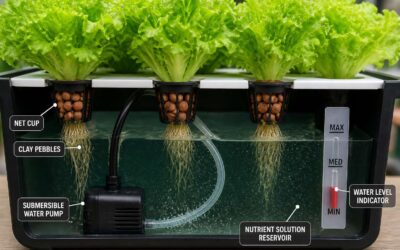
Water is the new soil, and South African growers are redefining yields with clever system choices. Hydroponic system types like Deep Water Culture and Nutrient Film Technique show two paths to steady harvests. DWC keeps roots submerged in highly oxygenated water, while NFT guides a thin nutrient film along a sloped channel, with steady flow and precise control. This focus on system design sits at the heart of hydroponics farming practices.
- Deep Water Culture (DWC): roots hang in aerated water, large reservoir, simple, fast for greens.
- Nutrient Film Technique (NFT): thin film over roots, stable flow, compact footprint, needs steady conditions.
- Design notes: use durable materials, reliable pumps, easy sanitation for SA climates.
Choose based on space, climate, and maintenance readiness; both demand disciplined monitoring.
Ebb and Flow, drip, and aeroponics variations
In drought-prone South Africa, a square metre of hydroponics can yield more than a field when the rhythm is right. Hydroponic system types span Ebb and Flow, Drip, and Aeroponics, each with a distinct rhythm. Drip systems offer simplicity and scalability; Ebb and Flow delivers periodic flooding and drainage; Aeroponics suspends roots in mist for maximum oxygen. In hydroponics farming practices, the choice hinges on space, climate, and maintenance readiness.
Key design considerations shape performance and longevity.
- Durable materials and corrosion resistance for SA climates
- Reliable pumps and filtration to prevent downtime
- Sanitation protocols and modular components for easy cleaning
Designers balance precision with practicality, weaving predictable flows, accessible parts, and a dash of ingenuity. The result is a clean, efficient backbone for growers who crave reliability as much as yield, a hallmark of modern hydroponics.
System design: reservoirs, tubing, and filtration
Across South Africa’s diverse climates, hydroponics farming practices redefine what a single square metre can deliver. In greenhouses and shade houses alike, a well-timed rhythm—balanced nutrients, oxygen, and moisture—turns growth into a predictable surge rather than a gamble.
Three backbone configurations shape the water choreography: a timed flood-and-drain path that risks little waste; an emitter-driven loop that journeys nutrients directly to roots; and a mist-based network that suspends roots in a vapour of oxygen. Each form crafts a distinct tempo, suited to space, crop, and maintenance readiness.
System design relies on sturdy reservoirs sized to match crop load, low-friction tubing that resists clogging, and filtration paired with sanitation protocols to keep channels clear. Modular components let maintenance crews swap parts without a full teardown, reducing downtime and extending the life of the setup.
Sanitation, disease prevention, and maintenance
Across South Africa’s varied climates, hydroponics farming practices become a cathedral of glass and growth. In greenhouses and shade houses alike, a disciplined rhythm—oxygen, steady moisture, and balanced nutrients—turns risk into reliable harvests. In controlled environments, yields per square metre can rise by up to 40%. Three backbone configurations shape the water choreography: flood-and-drain, emitter-driven drip, and mist-based aeroponics, each with a distinct tempo for space and crop.
Sanitation is the quiet guardian of clean channels. Between cycles, sanitize reservoirs and tubing; quarantine new stock to deter disease. Maintenance and sanitation walk hand in hand, keeping pathogens at bay and channels clear.
- Pre-install sanitation checks
- Quarantine new stock
- Modular components for easy swaps
Maintenance thrives when components are modular; quick swaps reduce downtime and keep the system singing through the seasons.
Crop selection, growth stages, and scheduling
Choosing crops suited for hydroponics
Across South Africa, crop selection is the opening spell in thriving hydroponics. Choose varieties that revel in nutrient-rich, soilless air and quick, repeatable cycles—leafy greens, compact herbs, and small-fruited crops often yield the most reliable returns in controlled rooms. Consider these reliable companions:
- romaine lettuce
- spinach
- basil
- cilantro
- strawberry (compact variety)
Growth stages and scheduling guide the rhythm. From germination to vegetative growth and on to harvest-ready crops, align lighting, transpiration, and nutrient delivery with each phase. Plan staggered plantings to maintain a steady stream of produce and to avoid bottlenecks—think a living calendar that breathes with your rooms and your market.
Seasonal realities aside, South African growers can tailor calendars to demand while preserving efficiency. By anticipating flowering times, pruning windows, and harvest intervals, you weave resilient yields. These principles—growth-phase awareness, careful crop selection, and precise scheduling—underscore the value of hydroponics farming practices.
Germination, transplant, and vegetative stages
South Africa’s climate can be fickle, but your harvest doesn’t have to be. In a well-tuned grow room, cycles compress and quality rises—proof that hydroponics farming practices outrun weather volatility. A disciplined calendar trims production time and keeps shelves reliably stocked.
Crop selection matters first. Choose varieties that revel in nutrient-rich, soilless air and quick, repeatable cycles—leafy greens, compact herbs, and small-fruited crops often yield the most dependable returns.
- romaine lettuce
- spinach
- basil
- cilantro
- strawberry (compact variety)
Growth stages set the rhythm. Germination, transplant, and vegetative growth require deliberate timing, lighting, and nutrient delivery. Staggered plantings appear in the schedule as a living calendar that breathes with your rooms and market.
Seasonal realities aside, South African growers can tailor calendars to demand while preserving efficiency. This is the essence of crop selection, growth-stage awareness, and careful scheduling.
Lighting, temperature, and climate requirements by crop
Crop selection anchors every harvest in hydroponics farming practices. In South Africa, a well-tuned grow room can cut production cycles by up to 30%, so choose varieties that flourish in nutrient-rich air—leafy greens, compact herbs, and small-fruited crops for quick turns.
Growth stages set the rhythm. Germination, transplant, and vegetative growth demand deliberate timing, targeted lighting, and precise nutrient pacing. A staggered schedule becomes a living calendar that breathes with room conditions and market demand. We tune the room until it breathes, aligning light cycles with each stage.
Scheduling ties lighting, temperature, and climate to each crop’s appetite. Lettuce prefers cooler air, basil loves warmth, and spinach sits between.
- Lettuce (16–22°C, 12–16 h light)
- Basil (20–24°C, 14–18 h light)
- Spinach (10–18°C, 12–14 h light)
Harvest timing, yield optimization, and post-harvest handling
In South Africa, a well-tuned grow room can cut production cycles by up to 30%—a hook that underlines why crop selection is the heartbeat of hydroponics farming practices. In compact grow rooms, leafy greens, compact herbs, and small-fruited crops deliver quick turns. A well-chosen variety reduces stress and speeds cycles; growth stages—germination, transplant, vegetative—flow with the room’s rhythm.
- Crop selection aligned with market demand and climate
- Growth-stage cues to time harvest windows
- Post-harvest handling that preserves quality
Scheduling harvest timing and yield optimization fuse into one discipline. Light, temperature, and nutrient pacing align with stage cues: lettuce prefers cool clarity, basil warmth, spinach a balanced range. A staggered calendar smooths supply, raises turnover, and minimizes waste; post-harvest handling then preserves quality.
In the SA context, these choices translate into reliable margins and steady markets—a patient, purposeful craft that mirrors the climate and community it serves.
Automation, monitoring, and sustainability in hydroponics
Sensors and automation platforms
Automation isn’t just for multinational warehouses; in hydroponics farming practices, it plays the quiet backstage crew, keeping crops on a steady tempo. Tiny sensors narrate what’s happening in real time, nudging pumps, lights, and nutrient loops toward consistent, salad-worthy outcomes. No guesswork here—just data-driven decisions that work whether you’re in Cape Town or Polokwane.
Digitally, here’s what sensors and automation platforms routinely handle:
- Advanced sensor networks track EC, pH, temperature, and dissolved oxygen
- Automated nutrient dosing keeps formulations stable without manual fiddling
- Cloud or local dashboards translate data into clear, actionable insights
Smart sustainability follows: closed-loop water use, energy-efficient LEDs, and solar-ready layouts help farms cut waste and emissions while staying profitable.
Climate control and water management automation
In South Africa’s blistering summers, climate control is the quiet maestro of hydroponics farming practices—well-tuned systems cut energy use by up to 30%. Automation keeps temperature, humidity, and airflow in a steady tempo, so crops don’t miss a beat—no drama, just consistent harvests. It’s precision without fuss, even on crowded urban rooftops.
- Smart controllers coordinate vents, fans, and lighting for uniform canopies
- Automated irrigation sequencing prevents stress by timing water deliveries to plant demand
- Predictive alerts flag anomalies before they become losses
On the sustainability front, closed-loop water use and energy-efficient LEDs, solar-ready layouts cut waste and keep bills in check. Dashboards—cloud or local—translate sensor chatter into clear, actionable insights, helping managers stay a step ahead while crops stay happily green.
Data analytics, KPIs, and decision support
In South Africa’s climate, automation acts as a patient conductor for hydroponics farming practices, turning messy sensor chatter into precise action. Early adopters report harvest cycles up to 25% faster and energy use trimmed by smarter scheduling. Data analytics translate every reading into decisions that matter, and KPIs become a shared language across teams.
The backbone is a decision-support layer that blends real-time metrics with historical patterns:
- Real-time dashboards translate sensor chatter into intuitive visuals across zones
- Predictive alerts flag anomalies before losses, keeping crops on track
- Decision-support engines benchmark KPIs and forecast resource needs for planning
That quiet revolution sustains sustainability—lower water waste, cooler energy footprints, and steadier harvest quality.
Energy efficiency and resource conservation
Automation is the quiet engine behind sustainable hydroponics farming practices in South Africa’s climate mosaic. In our greenhouses, smart pumps, zone controls, and real-time sensors turn noisy chatter into precise action, trimming energy costs and water runoff. When automation nudges the system to respond to real conditions, harvest cycles become steadier and waste recedes, a moral win for the land and the wallet.
Energy efficiency blooms within hydroponics farming practices when automation aligns resource use with true demand. Monitoring across zones keeps humidity, flow, and nutrient streams within bounds, while data from seasons reveals patterns we can trust instead of guess.
- Smart scheduling lowers peak electrical draw
- Precise irrigation reduces water losses
- Proactive maintenance cuts downtime
Sustainability becomes more than a target—it becomes a daily discipline. By curbing energy footprints and minimising water use, automation supports cooler climates and steadier crop quality, even as the South African sun remains uncompromising.

0 Comments