Fundamentals of Hydroponic Cultivation
What is hydroponics and how it works
In a water-scarce landscape, the punchline of modern farming lands in a clever container: this method can slash water use dramatically while boosting yields. The fundamentals are simple in concept: nourish roots with a carefully balanced solution, control light and temperature, and keep the roots oxygenated. When done right, plants thrive without soil and with far less waste.
- Nutrient solution with precise pH and EC
- Oxygen-rich root zone for strong uptake
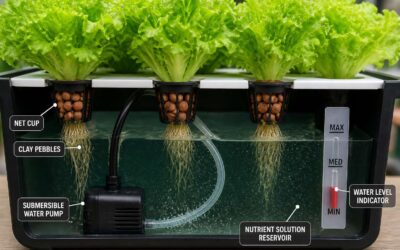
- Reliable delivery system and pump with circulating flow
In South Africa, hydroponics farming fits urban spaces, mitigates drought risk, and keeps produce seasonal year-round. Farmers monitor electrical conductivity, nutrient mix, and drainage to maintain a steady rhythm—an art, not witchcraft, once you’ve decoded the basics.
Key benefits over soil-based farming
Across South Africa’s cities, hydroponics farming shows that roots don’t need soil to drink deeply of nutrients. The core is simple: a balanced nutrient solution, oxygen-rich root zones, and a dependable circulation loop that keeps every plant in rhythm.
Key advantages over soil farming include water efficiency, precise nutrient control, and year-round production in limited spaces:
- Conserves water by recirculating and reducing losses.
- Maximizes space with vertical and compact layouts.
- Improves consistency with controlled light, temperature, and pest management.
For South African growers, this blend of science and resilience translates to steady harvests even in drought-prone seasons.
Common system configurations
Across South Africa’s urban farms, controlled spaces turn science into steady harvests. Nutrient-rich solutions meet oxygenated root zones, all wired into a dependable circulation loop that keeps every plant in rhythm. The result is a quiet, reliable productivity that defies unpredictable weather outside.
Fundamentals of hydroponic cultivation rest on three pillars: precise nutrient delivery, sustained root oxygenation, and a dependable circulation loop. Common system configurations include:
- Nutrient Film Technique (NFT)
- Deep Water Culture (DWC)
- Ebb and Flow (Flood and Drain)
- Drip systems
Each setup carves its own footprint in compact spaces; NFT keeps roots sleek and mobile, DWC suspends them in a calm reservoir, and ebb-and-flow alternates moisture and air. In every case, a reservoir, timer, and monitoring tools keep pH and nutrient levels balanced, guiding hydroponics farming toward consistent, year-round production.
Essential terminology
Urban farms across South Africa report up to three times the yield per square meter when precision guides water and nutrients. In hydroponics farming, every drop counts, and a steady rhythm replaces weather as the arbiter of success. The fundamentals hinge on balance: a carefully tuned nutrient solution, continuous root oxygenation, and a reliable circulation loop that keeps the canopy moving with quiet efficiency!
To read that rhythm, a shared vocabulary helps translate numbers into action.
- pH balance
- Electrical Conductivity (EC)
- Dissolved Oxygen (DO)
- Nutrient solution and reservoir management
That shared language underpins consistent, year-round harvests for South Africa’s urban farms.
Choosing between a home setup and commercial scale
Across South Africa, urban farms show up to three times the yield per square meter when precision nudges water and nutrients in hydroponics farming. In the glow of grow lights, a nocturne of roots and rhythm—every drop counts, every ppm matters. Choosing between a home setup and commercial scale sets the tempo for your operation’s arc!
Home setups charm with modular simplicity, modest upfront costs, and quick harvests; commercial scale demands robust circulation, automation, and careful risk management.
- Space and zoning constraints
- Capital expenditure versus operating costs
- System redundancy and maintenance cadence
- Market readiness and regulatory compliance
Ultimately, the choice weighs steady control against scalable ambition. With the right balance of size, support, and cadence, your grow becomes more than cultivation — it’s a quiet cathedral of climate and cadence.
Hydroponic System Types and Setups
Deep water culture vs NFT basics
Under the hopeful glow of grow lights, hydroponics farming reveals its spine: systems sized for ambition and climates tuned for miracles. Deep Water Culture (DWC) suspends roots in an oxygen-rich reservoir, feeding growth with steady streams of nutrients. Nutrient Film Technique (NFT) moves a shallow film of solution past the roots, a lighter, faster rhythm. For South Africa, the choice hinges on space, power, and climate reality. DWC rewards volume and simplicity; NFT rewards precision and airflow. It’s a study in balance, where water, roots, and air dance to a controlled tempo.
In practice, choosing between DWC and NFT is a cornerstone of hydroponics farming design, shaping yield, maintenance, and risk. Consider these touchpoints as you map a pathway:
- Space and energy requirements
- Climate stability and reservoir management
- Root oxygenation and disease potential
Balance, climate, and care, then the system hums with a controlled, almost hypnotic rhythm.
Ebb and flow systems
Flood, drain, repeat—the heartbeat of ebb and flow systems in hydroponics farming, keeping roots hydrated, oxygenated, and surprisingly philosophical under grow lights. In South Africa’s compact spaces, this rhythm proves economical and forgiving.
Ebb and flow works by flooding a tray with nutrient solution, letting the roots sip, then draining back to a reservoir to re-oxygenate the zone. The cycle runs on a timer, balancing water, air, and nutrients.
- Flood tray or table
- Submersible pump
- Reservoir and drainage lines
- Timer or controller
- Return line and aeration provisions
Its charm lies in simplicity and scalability—from a compact home setup to a modest commercial space, ebb and flow delivers a steady, almost hypnotic, rhythm for the crops and the grower alike.
Drip irrigation and wick systems
In South Africa’s snug urban spaces, drip irrigation and wick systems prove that grandeur isn’t required to grow greens. Hydroponics farming thrives on precision—delivering water and nutrients exactly where plants want them, with far less waste and more elegance than a soap opera about watering cans.
Drip systems feed a reservoir through emitters and tubing, with a timer and filters bringing order to chaos. A return line keeps nutrients balanced, and a humble pump does the heavy lifting. For compact setups, it’s a quiet, scalable solution that suits homes and boutique farms across SA.
- Precise watering and easy scalability
- Requires regular maintenance of emitters and filters
Wick systems, by contrast, rely on capillary action rather than pumps—think a sturdy wick drawing solution from a reservoir to a growing medium. They’re silent, energy-free, and forgiving for low-demand crops, but struggle with large plants or high nutrient throughput within the realm of hydroponics farming.
Aeroponics and vertical farming basics
Aeroponics suspends roots in air, delivering a fine nutrient mist rather than submerging them in a medium. It’s gardening with architectural restraint—precise, efficient, almost theatrical in its cleanliness. For hydroponics farming, that translates into rapid growth, lower water use, and a whisper-quiet operation that makes most home setups look like a hobby rather than a craft.
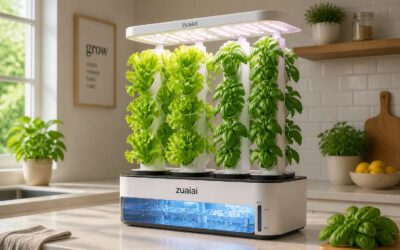
Vertical farming stacks plants in climate-controlled towers, turning square metres into multi-tiered growing rooms. LEDs, sensors, and automated irrigation keep days and nights balanced while the crops stay proximity-friendly for urban SA spaces. It’s the skyline approach to farming—compact, scalable, and resolutely modern.
- Aeroponics uses a fine mist and minimal medium, accelerating root development
- Vertical farming centers on stacked shelves, controlled environments and year-round production
- Considerations include energy use and system monitoring to keep efficiency high
Nutrients, Water Quality, and pH Management
Balanced nutrient solution fundamentals
In hydroponics farming, precision is poetry; a whisper of minerals, a measured pH, and the root’s alchemy. Nutrients and water converge into a single living instrument, awaiting careful tuning!
Nutrients form the heartbeat of the solution. A balanced blend of macro and micronutrients powers growth, while electrical conductivity (EC) signals readiness. Complete formulations and chelated trace minerals keep the feed steady and accessible.
- Nitrogen, Phosphorus, Potassium (macros)
- Calcium, Magnesium, Sulfate (secondary)
- Iron, Manganese, Zinc, Copper, Boron, Molybdenum (micros)
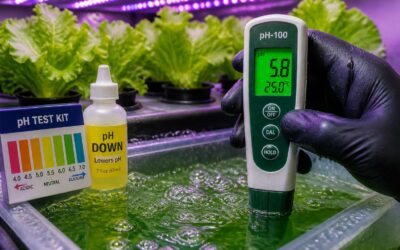
Water quality and pH management are twin gates. Hardness, salinity, and trace metals shape nutrient availability; most crops thrive in a narrow pH window around 5.5–6.5, where roots drink most eagerly. Subtle drift invites lockout and stunted vigor.
In South Africa, climate and water vary, yet the art and science of balance endure. Guarding contaminants, respecting nutrient dynamics, and watching pH drift keeps the growing edge sharp for this farming sector.
Monitoring pH and electrical conductivity (EC)
In hydroponics farming, a single drop can decide a harvest’s fate, and pH and EC drum to the roots’ door. Across South Africa, where groundwater and rainfall vary, precision in these gates keeps growth resilient.
Nutrients form the heartbeat of the solution, while water quality and pH management guard access to them. Most crops relish a narrow pH window around 5.5–6.5, where solubility and uptake sing in harmony. EC acts as a barometer of nutrient density; drift in hardness or trace metals can tilt the balance.
- pH balance shapes nutrient availability in root zones
- EC indicates the overall nutrient density and uptake tendencies
- Salt and trace metal levels influence mineral access
In this balancing act, the craft reveals its magic—a quiet, evolving art that keeps the crop’s promise alive.
Water quality considerations and filtration
In hydroponics farming, water is the gatekeeper to growth, and a single dirty drop can tilt a harvest. Across South Africa, groundwater varies wildly, making filtration and precise pH management essential. Nutrients are the heartbeat of the solution, but water quality and pH guard access to them.
Key water quality considerations include:
- Particulate filtration and turbidity control
- Chlorine or chloramine removal or neutralization
- Mineral balance to prevent salt buildup
- Oxygenation and circulation to keep roots happy
Filtration isn’t a one-off step—it’s a living layer of risk management. Clean water ensures roots stay in contact with nutrients, while pH stability helps minerals stay soluble.
Nutrient dosing schedules and refill planning
In hydroponics farming, nutrients are the pulse—every drop counts. A single mis-timed dose can derail growth, turning healthy leaves pale and roots sluggish. Precision matters, and in South Africa’s varied water landscapes, a robust dosing plan becomes your safety net.
Nutrient dosing schedules hinge on crop stage, reservoir volume, and salt buildup risk. Align EC targets with growth phases, stagger additions to avoid shock, and schedule regular refills so the solution remains fresh. Pair this with steady pH management; when minerals stay soluble, roots drink with delight.
To keep things steady, consider:
- Baseline EC and pH targets per crop
- Refill calendar tied to reservoir size
- Weekly notes on shoot vigor to adjust nutrients
Crop Selection, Growth Cycles, and Planting Practices
Ideal leafy greens and herbs for beginners
Crop selection in hydroponics farming rewards the patient and the practical. For beginners, choose forgiving leafy greens and herbs that tolerate bright light and gentle crowding. I’ve seen a quick, confident harvest lift a starter’s spirit, turning curiosity into care. Try these reliable varieties:
- Lettuce
- Spinach
- Basil
Growth cycles in this realm are sculpted by light, temperature, and regular feeding. Short, staggered cycles keep trays productive, yielding steady harvests without overwhelming the system. In South Africa, bright days can accelerate early growth, reminding us to balance sun with calm, mindful watering.
Planting practices favor clean starts, prudent germination, and mindful spacing. Gentle handling protects tender roots and supports steady vigor; a patient rhythm of planting and pruning sustains flavor and resilience for beginners.
Fruiting crops: opportunities and challenges
Foxed by cluttered advice, I learned that crop selection in hydroponics farming rewards the patient and the practical. The fruiting trio of tomatoes, peppers, and cucumbers offers resilience when stocked with strong root zones and compact, determinate habits. These crops tolerate brighter light and, when spaced thoughtfully, reward consistent nutrition with steady yields.
Growth cycles in this realm hinge on light, temperature, and regular feeding. Short, staggered cycles emerge as a natural rhythm, quietly sustaining momentum. In South Africa’s sunny days, bright light can speed early color, so I balance intensity with calm watering to sustain steady development.
Planting practices determine fruit quality as much as design. Clean starts, careful germination, and mindful spacing protect roots and keep vigor stable. For fruiting crops, consider these reliable candidates:
- Tomatoes
- Peppers
- Cucumbers
- Strawberries
Germination, transplanting, and pruning
Across hydroponics farming, water use can drop by up to 60% with careful crop selection. Choose compact, determinate varieties with sturdy root zones and adaptable growth habits, tuned for steady nutrition and spacing. South Africa’s sun-washed climate rewards resilience and steady yields, and well-chosen crops forgive small miscalibrations while you scale up.
Growth cycles hinge on light, temperature, and feeding cadence. Short, staggered cycles maintain momentum without exhausting root mass; bright days quicken color development, so I temper intensity with calm watering to sustain progress across the season.
Planting practices shape fruit quality as surely as design. Germination, careful transplanting, and thoughtful pruning establish a canopy and compact roots.
- Germination: Start with clean, warm media; maintain consistent moisture until seedling emerges.
- Transplanting: Move seedlings with intact roots into slightly larger growing sites, avoiding crowding and stress.
- Pruning: Pinch late-breaking shoots and maintain airflow to prevent disease and support steady nutrition.
Lighting, photoperiod, and climate needs
In hydroponics farming, the right crop mix and smart cycle timing can lift yields by up to 33% under South Africa’s blazing sun. Precision and resilience beat brute force, every time, in compact spaces.
Crop selection centers on compact, determinate varieties with sturdy root zones and adaptable growth habits, tuned for steady nutrition and spacing. Short, staggered cycles maintain momentum and resilience.
- Compact growth
- Strong root zones
Planting practices cement quality: clean media, careful transplanting into slightly larger sites with deliberate spacing to preserve airflow and reduce stress. Sanitation and gentle handling keep disease at bay and growth steady.
Lighting, photoperiod, and climate needs steer success. For hydroponics farming, align light duration with crop stages; SA’s climate rewards steady temperatures and balanced ventilation to tame the heat while preserving vibrant yields.
- Adjust light intensity and duration
- Manage photoperiod for growth stage
- Maintain a stable temperature and airflow
Automation, Monitoring, and Smart Technologies
Sensors, data logging, and dashboards
Automation isn’t a brag; it’s the garden’s most punctual manager. In South Africa, sensor-driven automation has boosted crop consistency by up to 30%, turning guesswork into routine—the hallmark of hydroponics farming.
Smart technologies transform the bench into a quiet concierge—sensors track temperature, humidity, water level, and flow with quiet zeal, while data logging builds a timeline of plant health.
- Real-time alerts for off-nominal conditions
- Historical data trends across batches
- Remote access dashboards on mobile devices
The narrative of modern farming moves from manual checks to color-coded dashboards; the human role shifts to interpretation. In SA, energy and water stewardship are not afterthoughts, but the backbone of modern yields.
Irrigation control, pumps, and reservoir design
Electric hums become the metronome of the greenhouse, turning every leaf into a note in a well-tuned symphony. In South Africa, automation keeps crops in line, and water-use figures point to as much as a 25% reduction through precision irrigation.
Monitoring breathes through sensors that watch temperature, humidity, water level, and flow, feeding a responsive system that trims or boosts delivery with serene certainty. The result is a tight feedback loop for hydroponics farming, where the bench acts as a discreet concierge—never loud, always precise.
- Irrigation control: variable flow with precise valves
- Pumps: reliable circulation with fail-safes
- Reservoir design: aeration, baffled contours, and durable materials
These elements render automation a backbone rather than a boast, with dashboards you can sail from a distant room and still feel the midnight pulse of your crop.
Lighting strategies and energy management
Automation quietly composes the greenhouse symphony, turning data into decisive action. In hydroponics farming, smart controls keep pumps, vents, and lights in harmony, while energy management trims the bill even on hot South African afternoons.
Monitoring breathes through a web of sensors—temperature, humidity, water level. A responsive system nudges delivery with serene certainty, creating a tight feedback loop that feels prescient.
Smart lighting strategies pair spectral control with adaptive photoperiods, so plants receive the right energy at the right time. When the sun fades, efficient LEDs take over, smoothing peaks and reducing waste.
- Dynamic spectrum tuning
- Demand-based scheduling
- Integrated energy meters
Troubleshooting automation and maintenance
In hydroponics farming, automation quietly composes the greenhouse symphony, turning data into decisive action. Pumps, vents, and lights align like a tense chorus under a vigilant conductor. When systems whisper of a fault, the pulse of automation keeps operations steady while energy costs stay in check, even on hot South African afternoons!
Monitoring breathes through a web of sensors—temperature, humidity, and water level—sharing a steady stream of data with a responsive control hub. I watch the dashboards glow and feel the system hum. A tight feedback loop nudges delivery with serene certainty, creating a pulse that stays calibrated through weather and workload shifts.
Smart technologies turn troubleshooting into a proactive ritual rather than a panic when things misfire.
- System health monitoring and anomaly detection
- Redundancy planning and fault logging
- Firmware and network reliability checks
Maintenance becomes a cadence, not a crisis, when smart tech quietly guards every heartbeat of the system.
Operational Planning: Space, Budget, and Sustainability
Designing for space and scalability
Space is money: a single square metre can swing harvests by the kilo. Operational planning is not glamorous, but it pays the bills and the yield. Space becomes a design variable, not a constraint; a smart layout lets you scale from a snug garage to a purpose-built shed without endless rewiring. Every square metre counts in SA’s sun-kissed towns.
- Modular racks to grow with demand
- Compact reservoirs and clean routing
- Vertical stacking for space and light
Budgeting for sustainability means phased investments, durable parts, and local suppliers. In SA, every rand saved on energy or water compounds over a season. Pair efficient pumps, low-watt LEDs, and water reuse to keep your hydroponics farming operation resilient and happily compliant with limits and sunshine.
Cost estimation, ROI, and financing options
In SA, a well-tuned hydroponics farming operation can slash water use by up to 90% while turning a square metre into a ledger of vitality and yield.
Space becomes a design variable rather than a constraint. Think modular racks, compact reservoirs, and vertical stacking that gathers light as if by alchemy.
Budgeting for sustainability means phased investments, durable parts, and local suppliers; in SA, each rand saved on energy or water compounds over a season.
- Leases or supplier credit
- Government incentives and grants for sustainable farming
- Revolving lines with local banks
ROI and cost estimation anchor decisions, balancing upfront spend with ongoing savings from energy, water reuse, and labor; financing options keep expansion pragmatic, ensuring hydroponics farming stays resilient under sunlit SA skies.
Water reuse, energy efficiency, and waste reduction
In South Africa’s water-scarce climate, hydroponics farming can slash water use by up to 90%, turning a single square metre into a chorus of vitality.
Space becomes a design variable rather than a constraint. Think modular racks rising in tiers, compact reservoirs tucked under benches, and vertical stacking that gathers light as if by alchemy.
- Modular layouts for dense urban farms
- Compact reservoirs with resilient, low-maintenance components
- Vertical racks that maximize daylight and airflow
Budgeting for sustainability means phased investments, durable parts, and local suppliers; in SA, each rand saved on energy or water compounds over a season, making growth feel conversational with the sun.
Operational planning centers water reuse, energy efficiency, and waste reduction — a loop that breathes easier and yields more with less. Farming thrives where imagination meets climate.
Compliance, safety, and record-keeping
In South Africa’s drought-prone climate, hydroponics farming can slash water use by up to 90%, turning a single square metre into a chorus of vitality. Operational planning treats space as a strategic asset, balancing footprint with budget and compliance.
Space planning should be flexible: think modular racks, compact reservoirs, and careful airflow—layout becomes a design variable, not a constraint.
- Space efficiency: zoning, aisles, and vertical layouts
- Budget strategy: phased investments, durable parts, and local suppliers
- Sustainability compliance: safety checks, record-keeping, and audits
Budgeting for sustainability means phased investments, durable parts, and local suppliers; in SA, each rand saved compounds over a season, making growth conversational with the sun.
Safety and record-keeping anchor operations: training logs, incident reporting, maintenance schedules, and traceability ensure consistency across seasons. In hydroponics farming, discipline here is the quiet engine of growth under South Africa’s sun.

0 Comments