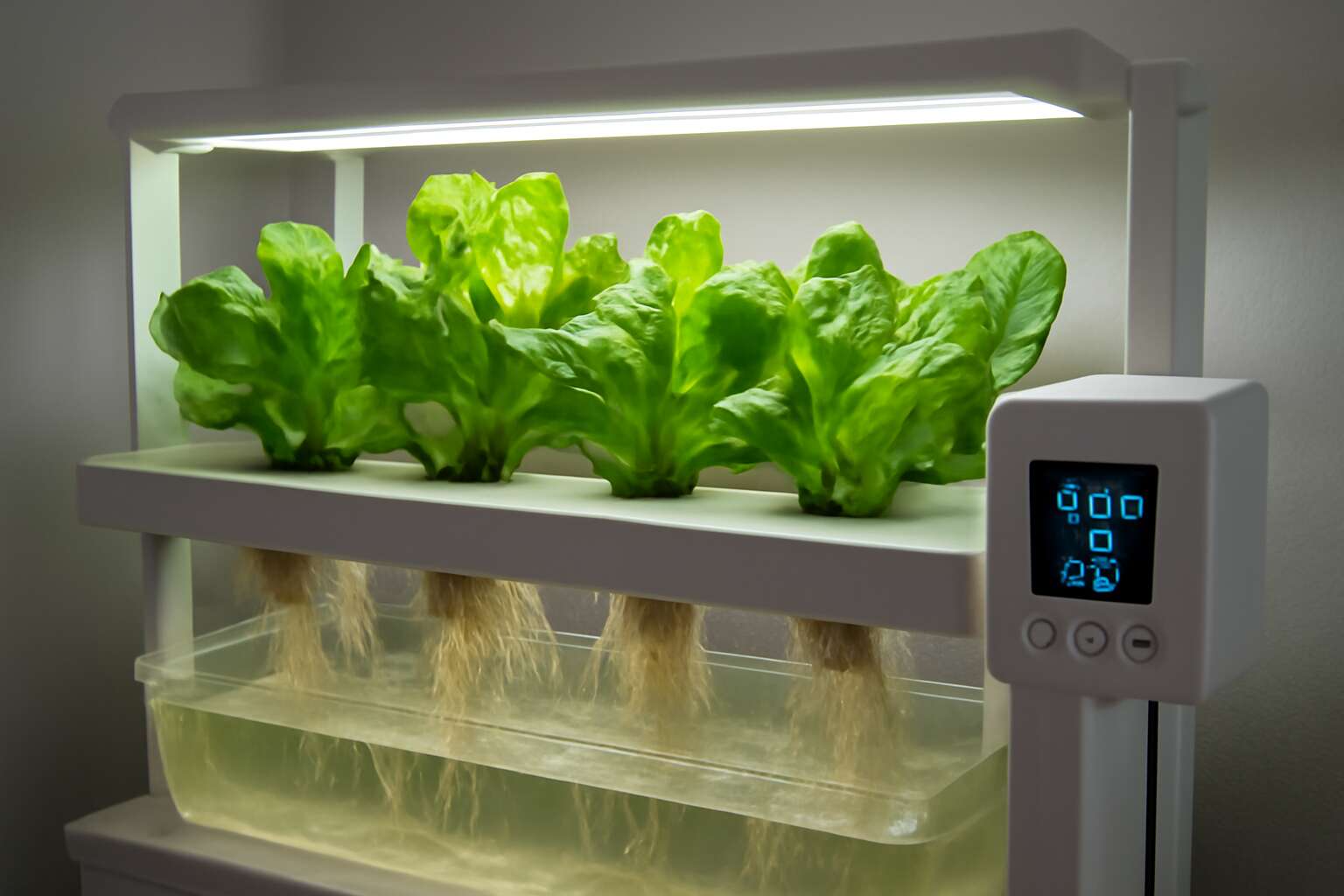
Hydroponic System Challenges and Drawbacks Outline
Financial and setup considerations
Greens on demand sounds heroic until the power meter does backflips. In South Africa, a surprising 60% of urban growers say the biggest shock of hydroponics isn’t taste—it’s the electricity bill.
These hydroponic system disadvantages reveal themselves when you trace the plumbing: you rely on pumps and steady water quality. A hiccup—power or filter failure—and your greens sulk faster than a bad joke. I’ve learned to respect that truth.
Before you dive, the financial and setup considerations are clear:
- Upfront equipment costs
- Ongoing electricity and water
- Power reliability in SA
- Nutrient and pH control
Done right, harvests are sweet; done wrong, you’re married to a timer and a salty algae scare!
Technical maintenance and reliability
In South Africa, 60% of urban growers say the biggest shock isn’t taste—it’s the electricity bill, and a blackout makes that bill bite. A single outage can wipe out a week of care and leave seedlings pale and panicked.
Keeping roots content means guarding water quality, reliable filtration, and precise dosing. These hydroponic system disadvantages become clear in upkeep when a hiccup—power, pump seal, or sensor drift—drops the system into a scramble for quick decisions and steady nerves.
- Power redundancy and backups to bridge outages
- Regular pump seals and reservoir cleaning to prevent clogs
- Frequent calibration of pH and nutrient sensors for consistency
These rituals of vigilance are small acts of hope. They keep the harvest honest, even when the grid falters and the algae whisper in the pipes.
Crop range and yield implications
Across South Africa’s compact city farms, controlled environments promise variety, then challenge the palate of possibility. Crop range here isn’t boundless; heat ceilings, light schedules, and solution chemistry carve what can actually thrive.
Where nutrients drift or pH wanders, yields drift with them. High-exertion fruiting crops demand steady energy and space; without that, even seasoned growers watch promise wane and margins tighten!
- Leafy greens flourish fast but demand precise timing.
- Fruiting varieties require stable power and room to mature.
- Herbs tolerate compact layouts yet depend on clean nutrient drift.
These dynamics underscore hydroponic system disadvantages, framing harvest expectations as a measured balance of control and risk.
Environmental impact and sustainability
In SA’s sun-drenched cities, power bills stalk lettuce like an overbearing uncle; energy costs can rival the plant bill itself. The environmental impact of a hydroponic setup isn’t just water use—it’s a tight loop of energy, plastics, and nutrient streams that demand guardianship. These hydroponic system disadvantages sharpen when climate control and solution chemistry collide, turning abundance into a wary audit of inputs. I’ve learned this the hard way.
- Energy intensity and carbon footprint from climate control and lighting
- Plastic waste and component lifecycle, from tubes to reservoirs
- Nutrient management and disposal, with waste streams needing responsible handling
Environmental sustainability must sit beside yield ambitions, prompting designers to weigh renewable energy, recirculation, and responsible waste strategies—but only as long as we resist turning the farm into a power plant. The vibe: productive, but with a conscience that wants less heat, less waste, and more lettuce.

0 Comments