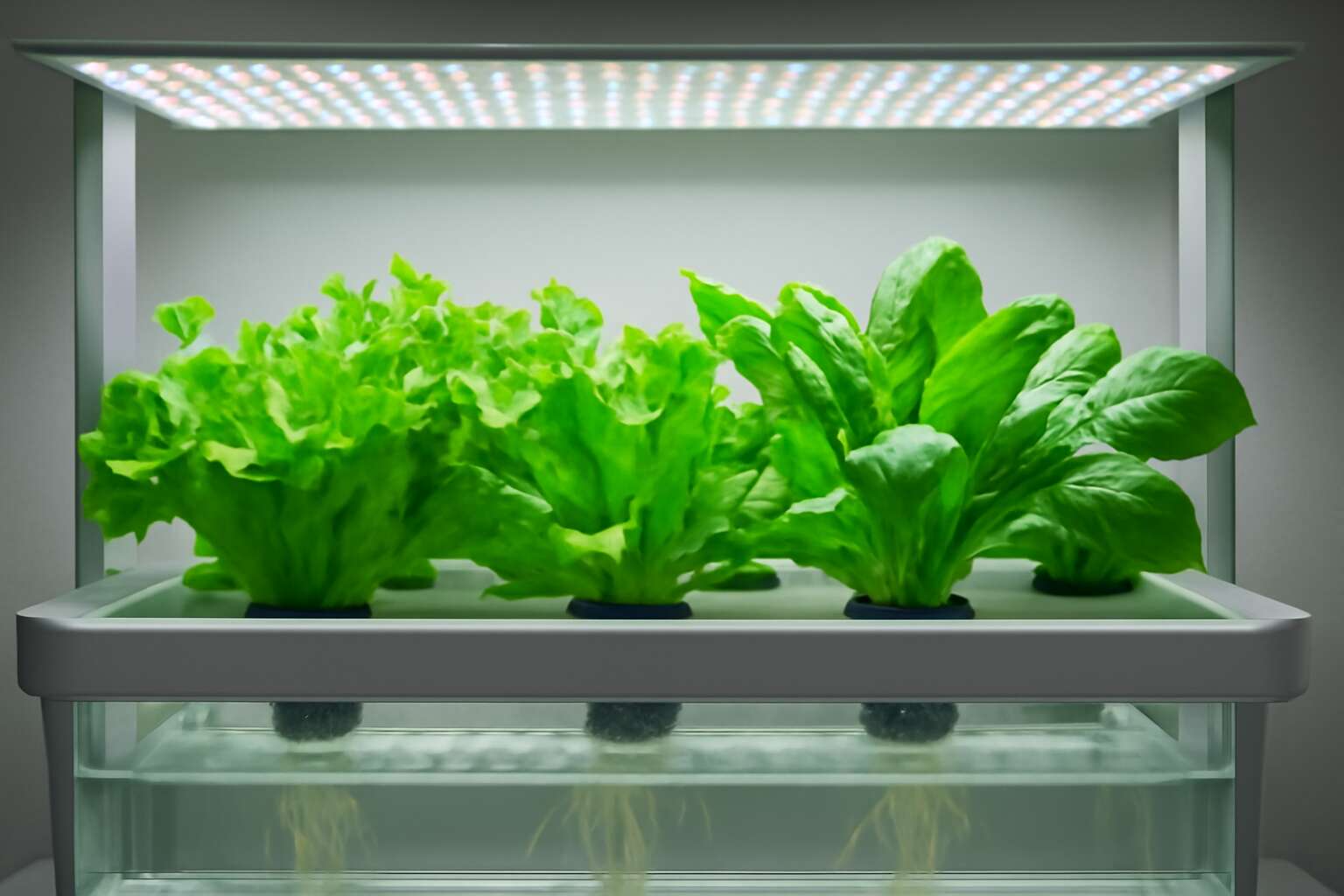
Defining Organic in Hydroponic Systems
What Organic Means in Soil vs Hydroponics
Across a South African dawn, I tend tender greens under glass, listening to the hum of fans and the clack of irrigation tubes. The big question still lingers at the edge of every harvest: what does ‘organic’ really mean in soilless beds where roots never touch earth?
Defining Organic in Hydroponic Systems requires nuance. In soil, organic means humus, compost, and living networks. In hydroponics, it hinges on inputs and standards—the nutrient sources, water management, and the certifier’s rules. The question are hydroponics organic surfaces in conversations about trust and labels, and the answer varies by region and by certifier, not by the bed alone.
- Organic nutrient sources and feedstock that align with regional rules
- Management of water purity and traceability
- Certification scope: soil-based vs soil-less systems
Under a South African sky, that conversation remains hopeful, shaping how farms blend tradition with invention.
Certification and Regulatory Standards Overview
As dawn spills over a South African glasshouse, the question hangs in the air: are hydroponics organic? Certainty here is not a single badge but a tapestry of rules and trust. “Certification is trust,” says a SA certifier, and that trust travels with every label more than the soil ever did. In hydroponics, organic identity hinges on inputs and standards—what nutrients you use, how water is managed, and who audits the system.
Defining Organic in hydroponic systems means weighing sources of feedstock, purity of irrigation water, and traceability. Certification scope often splits soil-based from soil-less methods, recognizing that roots never touch soil yet still must meet regional rules. The regulatory landscape invites transparency: supplier affidavits, batch testing, and clear record-keeping. In South Africa, as in many markets, the label is earned, not assumed, by aligning with certifier expectations rather than the bed’s geography alone. Are hydroponics organic? The answer lies in the agreement between inputs, audits, and regional guidelines.
Common Arguments For and Against Organic Hydroponics
In South Africa, the organic question for hydroponics isn’t a single stamp but a story of inputs and trust that travels beyond the soil beneath. Some ask, are hydroponics organic, when soil isn’t present? The answer sits between what feeds the plant, how water is managed, and who audits the ledger.
Defining Organic in hydroponic systems hinges on feedstock origins, water purity, and traceability. Certification scopes vary, sometimes separating soil-based from soil-less methods, yet the principle remains: transparency over process, not geography alone.
Common arguments for are balanced by concerns: proponents point to clean inputs, precise irrigation, and reduced contamination risk; critics warn that synthetic or non-microbial inputs can creep in, and certification can lag behind innovation.
- Transparent supply chains
- Auditable batch testing
- Consistent nutrient sourcing
Key Terms: Organic, Biodynamic, and Sustainable Practices
Hydroponics redefines ‘organic’ as a ledger you can audit, not a patch of soil. In South Africa, are hydroponics organic? The answer hinges on feedstock origins, water purity, and traceability rather than dirt or location.
Defining organic in hydroponic systems centers on three key terms: Organic, Biodynamic, and Sustainable Practices.
- Organic: inputs must be natural or approved for organic production, with clear provenance and documented certifications.
- Biodynamic: holistic farming principles, farm ecology, and specific preparations may be considered within some organic frameworks, though application in soil-less systems remains debated.
- Sustainable Practices: emphasis on water and energy efficiency, closed-loop nutrient management, and waste reduction to minimize environmental impact.
When these terms are aligned with rigorous audits and transparent supply chains, the discourse shifts from soil vs non-soil to trust and standardization.
How Hydroponics Can Meet or Challenge Organic Standards
Types of Hydroponic Systems and Their Impact on Certification
The question are hydroponics organic sits at the crossroads of belief and science. Organic standards in South Africa emphasize inputs and processes as much as outcomes. “Organic isn’t a badge—it’s a method,” notes a SA agronomist. With careful nutrient choices, clean water, and transparent record-keeping, hydroponics can align with organic principles, yet certification hinges on consistency, supplier traceability, and sanitary controls.
Types of hydroponic systems influence how claims are verified and how audits unfold. The following formats interact with organic standards in nuanced ways:
- NFT (Nutrient Film Technique) systems with thin nutrient films and compact footprints
- Deep Water Culture (DWC) featuring continuous aeration and oxygen-delivery to roots
- Ebb and Flow (Flood and Drain) cycles that manage moisture and salts
- Aeroponics delivering a fine mist to roots for precise nutrient delivery
Each approach changes inputs, water use, and record-keeping demands, influencing the question: are hydroponics organic in South Africa.
Input Materials: Nutrients, Grow Media, and Additives
In South Africa, the debate rests on a sharp hinge: are hydroponics organic? The answer hinges on inputs, processes, and meticulous record-keeping.
Nutrients can be sourced with care; hydroponics lends itself to organic-certified blends, kelp extracts, and microbial inoculants, or to clean mineral salts when needed. The trick is purity, traceability, and compatibility with SA certification expectations.
- Nutrient blends with organic-certification
- Raw materials with full traceability
- Water quality and pH management protocols
Grow media matters: inert substrates like rockwool, perlite, or coconut coir can be chosen with an eye to recyclability and residue limits. In organic-aligned systems, media should be inert and clean, avoiding peat if it risks contamination.
Additives and sanitation: biological inoculants, enzyme blends, buffers, and sanitizers—must meet organic standards or be clearly documented as allowed inputs. Sanitary controls and transparent records keep the system trustworthy, even when audits arrive with a fanfare.
Pest Management under Organic Guidelines
South Africa’s greenhouses face persistent pest pressure that can trim yields. The question—are hydroponics organic—keeps cropping up in conversations about certification and market trust. Clean inputs, careful sanitation, and precise record-keeping tilt the balance toward legitimacy in a constrained audit cycle.
Organic pest management in hydroponics relies on prevention, monitoring, and compatible inputs. Biocontrols, beneficial microbes, and enzyme solutions provide powerful allies against outbreaks. Choosing inputs with organic certifications and audits reduces risk. Water quality, pH control, and reservoir hygiene matter.
- Biocontrol agents and microbial inoculants
- Sanitation protocols and monitoring records
With rigorous traceability, farmers can align organic standards while keeping pests in check. In practice, audits look for clean supplier declarations, documented sanitation cycles, and a transparent pest-response log. The result is confidence in the product and the farm.
Water Quality and Sterilization Practices
In South Africa’s greenhouses, water quality is the quiet arbiter of true organic claims. “Water is the soil of trust,” a veteran grower likes to say, and it sets the tempo for every hydroponic system. So, are hydroponics organic? The answer hinges on how the water is sourced, how reservoirs are sterilized, and how consistently microbial and chemical inputs stay within certified bounds.
Volume, purity, and pH become your shield against drift. Sterilization practices—UV-C treatment, thermal cleansing, and meticulous reservoir hygiene—form the frontline of organic alignment. The dialogue between water chemistry and sanitation shapes the audit narrative.
- pH stability and EC control
- Microbial load and filtration
- Certified input declarations and supplier documentation
- Reservoir cleaning cycles and sanitation records
When these threads align, the product carries a traceable story of care, a claim that can sit comfortably beside organic expectations—or challenge them when the water writes a different tale.
Sustainability Considerations in Hydroponic Operations
Bold harvests bloom under glass and sun—but the question remains: So, are hydroponics organic when inputs align with audits? In South Africa, sustainability can’t be borrowed; it must be earned through water stewardship and transparent inputs. When water use is slashed and certifications stand intact, the system hums with organic potential.
Sustainability depends on multiple strands, from nutrient recapture to energy use.
- Efficient nutrient delivery and recycling
- Energy-smart lighting and climate control
- Local, certified suppliers with traceable inputs
I see farms becoming more auditable and growers connected to ecosystems; the line between hydroponics and organic becomes a narrative of care, not a label.
Practical Guide to Sourcing and Labeling
Choosing Organic-Label-Friendly Suppliers
Are hydroponics organic? The question lingers in boardrooms and produce aisles, not as a blanket truth but as a negotiation between growers, certifiers, and buyers. A sharp, unvarnished reality is that organic labeling rests on provenance as much as on inputs. For South African buyers, sourcing with labeling in mind means demanding clarity on nutrient sources, water stewardship, and traceability. The right suppliers bring consistency to claims, aligning certifications with everyday packaging and shelf-ready transparency. The central question—are hydroponics organic—remains a litmus test for credibility across the supply chain.
- Require third-party organic certifications and clear documentation of inputs
- Ask for a transparent bill of materials and supplier audit reports
- Ensure labeling complies with local South African standards and retailers’ requirements
Labeling is a contract with the consumer, not a ritual. A practical guide to labeling focuses on readability, consistency, and verifiability. This approach protects brands and growers alike from heated debates over claims.
Documenting Inputs and Audit Trails
More than half of organic-label disputes falter at the audit gate, and in South Africa’s market, credibility travels fastest when provenance matches promise. Are hydroponics organic? It’s a question that gnaws at every contract, urging growers and buyers to reconcile claims with the cold light of certification. The answer rests in traceability, not zeal—documents that travel with the product from seed to shelf and stand up to the retailer’s glare.
- Require third-party organic certifications and clear documentation of inputs
- Ask for a transparent bill of materials and supplier audit reports
- Ensure labeling complies with local South African standards and retailers’ requirements
Labeling is a compact contract with the consumer; documentation and audit trails keep it honest. If you’re wondering are hydroponics organic, the answer hinges on what you can prove: nutrient paths, water sources, and handling steps revealed in official records.
Reading Labels and Certifications on Produce
In South Africa’s retail lanes, provenance travels faster than price, and a well-documented trail of certificates often seals a sale. For businesses weighing trust against hype, the question lingers: are hydroponics organic? The answer rests on traceability—documents that travel with the product from seed to shelf and survive the retailer’s glare!
Practical benchmarks guide the way for SA producers and retailers alike.
- Require third-party organic certifications and clear documentation of inputs
- Ask for a transparent bill of materials and supplier audit reports
- Ensure labeling complies with local South African standards and retailers’ requirements
Reading labels becomes a discipline, I’ve learned, aligning consumer trust with the seed-to-shelf voyage. Practical guide to sourcing and labeling anchors the are hydroponics organic conversation in evidence, not rhetoric, reminding readers that provenance can travel as far as perception—and far beyond the checkout lane.
Regional Differences in Organic Labeling
Provenance travels faster than price in South Africa’s buzzing retail lanes, where a well-documented trail can seal a sale. So, are hydroponics organic? The answer rests on traceability—documents that journey from seed to shelf and endure the retailer’s discerning gaze. Trust here wears a regional badge, not a single slogan.
Practical sourcing and labeling in this landscape means harmonizing regional expectations with local standards. For buyers and sellers alike, clarity about inputs matters more than hype. The question threads through audits, transparent bills of materials, and retailer labeling norms that respect SA consumers.
- Regional certification marks and mutual recognitions
- Transparent bills of materials and supplier audit trails
- Labels aligned with local retailer requirements and SA standards
These signals travel beyond the page—through audits, product stories, and shopper confidence. They force the question: are hydroponics organic, after all?
Consumer and Market Implications
Market Demand for Organic Hydroponic Produce
Across South Africa, organic produce sales rose 8% last year, a signpost for urban dreamers and old-world markets alike. Are hydroponics organic? The market answers with clarity: shoppers crave transparent standards, local provenance, and flavor that travels from greenhouse to table.
Consumer demand aligns with practical realities of hydroponic farming: faster harvest cycles and year-round supply attract retailers seeking stability.
- Traceable inputs and certified practices
- Freshness and extended shelf-life
- Localized production reducing transport emissions
In SA, this momentum nudges retailers toward reliable labels, scalable supply chains, and a chorus of consumer education that keeps the conversation honest and hopeful.
Environmental Impact Compared to Soil-Based Organic Farming
Consumer eyes are on the label. In South Africa, are hydroponics organic? The debate hinges on inputs, standards, and traceability, not slogans. Shoppers reward transparent practices and local provenance, even as they crave flavor that travels from greenhouse to table.
Environmentally, hydroponics can slash water use and protect soil, but climate-controlled greenhouses require energy. In SA, localized production can cut transport emissions, yet the energy footprint matters. Compared with soil-based organic farming, hydroponics often reduces pesticide needs and soil erosion risk, but certification hinges on nutrient sources.
- Water efficiency and nutrient recapture
- Localized production reducing transport emissions
- Certification realities for organic label claims
The conversation in SA retail circles continues to evolve as consumers demand both quality and accountability!
Case Studies: Retailer Standards and Consumer Trust
In South Africa’s fresh-produce aisles, labels are more than branding—they are proof. A striking 68% of SA shoppers say traceability shapes choices, and the big question looms: are hydroponics organic? The answer hinges on inputs, audits, and honest storytelling.
Retailers piloting stringent standards for nutrient sources, energy use, and post-harvest handling provide a map readers can follow. Case studies from SA retailers show transparency boosts consumer trust and willingness to pay a premium for locally grown greens.
- Input transparency: clear disclosures on nutrients and growers
- Audit trails: third-party certification and regular verifications
- Local provenance: stories that connect greenhouse to table and flavor
When trust travels with flavor, the debate moves from slogans to accountability, redefining expectations for organic-grade hydroponics in South Africa!

0 Comments