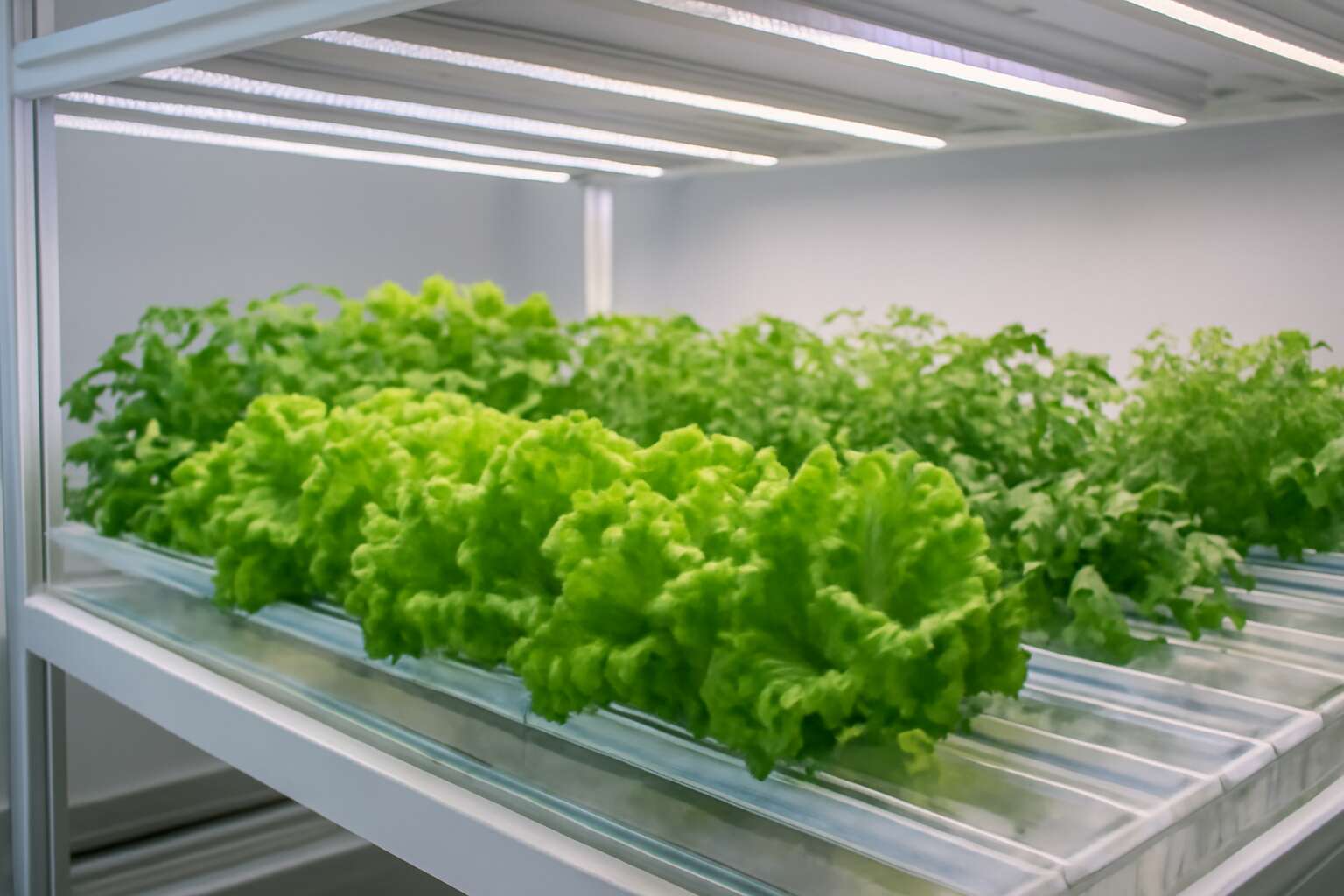
Foundations of soilless cultivation and hydroponic systems
What is soilless cultivation and how it works
Foundations of soilless cultivation begin with a simple idea: plants thrive when their roots drink a precise cocktail of nutrients, oxygen, and moisture, not when they wrestle through stubborn soil. In South Africa’s climate, hydroponics or soilless culture offers a moisture-smart path to steady harvests, conserving water and space. Studies show water use can drop dramatically in controlled systems, while yields rise with steady nutrient delivery. This art rests on balancing solutions, gravity, and air, so roots breathe as much as they drink—imagine the difference!
- Nutrient solutions tuned for each crop and growth stage
- Delivery methods such as drip, NFT, or ebb-and-flow
- Support media like coconut coir, perlite, or rockwool
- Environmental controls including light, temperature, and humidity
From these foundations, growers design resilient, scalable systems that fuse science with a dash of wonder—quietly productive in the South African landscape, and ready to evolve with every season.
Key benefits and common challenges
In South Africa, controlled hydroponics or soilless culture can cut water use by up to 70% compared with traditional soil farming, turning a scarcity into an opportunity for steady harvests.
The foundation rests on precise nutrient balance, reliable aeration, and climate control. When these elements align, crops reach consistent quality and predictable yields, rain or shine!
- Water efficiency and a compact footprint
- Year-round production with stable quality
- Targeted inputs that improve pest and disease control
Common challenges remain: upfront system costs, the need for technical know-how, and dependable power and water infrastructure to keep roots breathing and fed.
- High initial investment and ongoing maintenance
- Need for monitoring and quick responses to nutrient issues
- Vulnerability to power outages and equipment failures
Comparing hydroponics with other soilless methods
Foundations of hydroponics or soilless culture lay a quiet cathedral where roots sip precisely what the plant needs. In South Africa’s arid dawns, this harmony of water, nutrients, and air turns scarcity into steady harvests, rain or shine. When nutrients are balanced, aeration reliable, and climate tuned, crops perform with a steady cadence and consistent quality.
- NFT (nutrient film technique) keeps a shallow stream over roots—efficient and scalable, yet dependent on pump reliability.
- Aeroponics suspends roots in air, feeding them with a fine nutrient mist—rapid growth but higher maintenance.
- Wick and drip systems offer simplicity for small crops, trading scale for ease of use.
Ultimately, hydroponics or soilless culture rests on the triad of balance, air, and climate. When these elements compose a stable environment, crops deliver predictable yields and resilience. South Africa’s growers glimpse the future in controlled rooms that translate root mathematics into living harvests!
Essential equipment and setup essentials
South Africa’s arid dawns demand precision: controlled rooms turn scarce water into reliable harvests, with roots sipping only what they need. Foundations of hydroponics or soilless culture whisper a simple creed—balance, air, and climate—turning potential into steady, quiet growth.
That triad becomes a practical architecture: steady nutrient delivery, robust aeration, and a stable environment—from light to temperature. When these elements align, crops move with predictable yields and resilience. In South Africa, growers translate root mathematics into living harvests with quiet confidence.
Essential equipment and setup essentials include the following.
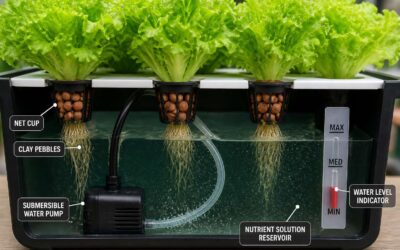
- Reservoir and pump
- Aeration system (air pump and stones)
- Growing trays or nets and growing medium
- Nutrient reservoir and precise dosing
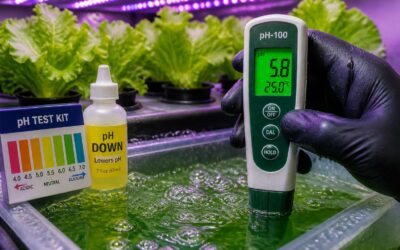
- pH and EC meters
- Timers and basic climate controls
Types of hydroponic and soilless systems
Nutrient Film Technique fundamentals
Urban farms across South Africa are redefining harvest seasons, with yields rising up to 20% through hydroponics or soilless culture. At the heart of NFT fundamentals lies a slender film of nourishing solution that glides past roots, inviting oxygen to mingle with minerals. A spectrum of systems awaits, from compact, whisper-quiet benches to expansive, tech-driven channels—each promising cleaner water, tighter control, and edible dividends.
- Nutrient Film Technique (NFT): a shallow, continuous film of nutrient solution flowing over the roots, maximizing oxygen exposure.
- Deep Water Culture (DWC): roots suspended in oxygenated, nutrient-rich water for rapid growth.
- Ebb and Flow (Flood and Drain): periodic flooding to feed roots, followed by draining for air.
- Aeroponics: roots misted with a fine nutrient spray, delivering high efficiency with minimal water use.
These formats share a foundation of precise nutrition and steady aeration, letting South African growers tailor solutions to space, climate, and ambition.
Deep Water Culture essentials
Urban farms across South Africa are redefining harvest seasons, with yields up to 20% higher under hydroponics or soilless culture. Deep Water Culture anchors roots in a constant, oxygen-rich bath of nutrient solution, accelerating growth and shrinking the wait between seed and harvest. In the wider family of hydroponics or soilless culture, DWC offers a compact, whisper-quiet corridor to scalable production—an intimate dialogue between water, air, and the stubborn resilience of a hungry plant.
Deep Water Culture essentials revolve around steady oxygenation and a stable nutrient environment. The core setup rests on several pillars:
- Reservoir and lid to curb evaporation and maintain temperature
- Air pump and stone diffuser delivering microbubbles
- Net pots or floating rafts suspending roots just beneath the surface
- Reliable tubing and a timer to sustain constant aeration
- Regular monitoring of pH and electrical conductivity to balance uptake
Beyond hardware, the art lies in preserving a vibrant, well-oxygenated root zone, where quiet reliability matters as much as nutrient density. In South Africa, power stability and water stewardship fundamentally shape the promise of hydroponics or soilless culture.
Drip irrigation systems explained
<pIn South Africa's urban shadows, a single drip can rewrite a season—water use slashed, yields steadier as the moon's tide. In the world of hydroponics or soilless culture, drip irrigation is the patient artisan, delivering precise streams that wake the roots without flooding the crown.
Drip irrigation systems explained: a loop of tubing, a reservoir of nutrient solution, emitters that release tiny droplets, all timed to the plant’s hunger. The magic lies in pressure and placement: emitters near the root zone, adjustable flow, and a drain-free path to waste minimization.
- Low water loss
- Targeted feeding
- Scalability for urban farms
Used inside hydroponics or soilless culture setups, drip networks mediate moisture with quiet precision, letting you grow greens, herbs, or peppers on a rooftop or in a shopfront space. The technique is practical, atmospheric, and endlessly adaptable.
Aeroponics overview
Across South Africa’s sun-baked valleys, aeroponics rises like a cathedral of mist. In the wider realm of hydroponics or soilless culture, this method suspends roots in air and bathes them in a fine nutrient spray, inviting abundant oxygen and vigorous growth while keeping pathogen threats at bay.
- Direct root oxygenation via a fine mist
- Conserved water through recirculation and recovery
- Compact, scalable setups ideal for urban farms
The romance is tempered by mechanical demands, but its potential glitters for South African growers seeking year-round harvests in constrained spaces. A future emerges where shading, climate control, and precise dosing fuse into a quiet labor of growth—perfect for urban plots and research stations alike!
Wick and capillary systems overview
In South Africa’s sun-splashed urban farms, wick and capillary systems whisper of a gentler path through hydroponics or soilless culture. They turn a small bench into a living tapestry, where roots drink from a quiet thread of moisture and yield follows in patient, steady fashion.
Wick systems pull nourishment up through absorbent material—no pumps, no timers—just simple, reliable action. In the broader realm of hydroponics or soilless culture, capillary mats spread dampness evenly across trays, giving roots consistent contact without overwatering.
- Wick systems: minimal parts, low energy, easy troubleshooting
- Capillary mats: even moisture, scalable from seedlings to benches
Used thoughtfully, these methods suit compact spaces and light infrastructure, offering a bridge between traditional soil intuition and modern cultivation. They honour the SA market’s demand for reliability with a touch of quiet, practical magic.
Growing media, nutrients, and water management
Growing media options and considerations
Across South Africa’s urban farms, up to 70% less water is used in hydroponics or soilless culture, a statistic that shivers through the greenhouse like a cold wind—and the yields follow.
Growing media choice is the skeleton that holds the mystery together. Media must balance moisture, air, and cleanliness. Coco coir, rockwool, expanded clay, and perlite each whisper different drainage and pH tendencies—I weigh stability and reuse as I plan a harvest.
- Coco coir: excellent water retention with decent aeration
- Expanded clay pellets: sturdy, reusable, great for irrigation patterns
- Rockwool: uniform, high capillary action but with care for disposal
Nutrient and water management drift through the roots like a cool shadow. A balanced solution, vigilant pH around 5.5–6.5, and modest EC keep the growth in rhythm. In hydroponics or soilless culture, oxygen in the root zone is king, whether recirculating or drain-to-waste, tempering the thirst of those green nocturnes.
Nutrient solution formulation and ratios
Across SA’s urban farms, up to 70% less water is used in hydroponics or soilless culture, a statistic that shivers through the greenhouse like a cold wind—and the yields follow. I watch the numbers closely; this is where nutrient solution formulation becomes the backbone, guiding growth with quiet, stubborn precision.
A balanced solution, with pH kept around 5.5–6.5 and a modest EC, keeps the roots dancing. In hydroponics or soilless culture, macro and micronutrients dance in harmony to feed the plant’s needs.
- Nitrogen, phosphorus, and potassium form the primary trio
- Calcium and magnesium support structure and nutrient uptake
- Trace micronutrients like iron, boron, and zinc balance metabolism
Root oxygen is king; whether recirculating or drain-to-waste, the way water and air mingle in the root zone shapes every harvest. In our climate, thoughtful media and irrigation patterns help balance nutrients and water for steady growth.
pH and EC management best practices
Across SA’s urban farms, up to 70% less water is used in hydroponics or soilless culture—a statistic that shivers through the greenhouse like a cold wind and steadies the hands of every grower. The backbone of that efficiency is how we choose growing media, tune nutrients, and shepherd water with pH and EC as constant companions.
Growing media options and considerations:
- Coco coir: excellent water retention with good root aeration
- Expanded clay pellets (LECA): inert, reusable, and easy to clean
- Rockwool: solid structural support for uniform rooting
- Perlite or vermiculite blends: light, versatile mixes for drainage and aeration
In this climate, keep the nutrient solution’s pH around 5.5–6.5 and maintain a modest EC to keep roots comfortable and metabolically active. Regular, thoughtful monitoring—calibrated meters, gentle adjustments, and attention to residue—helps preserve balance across growth cycles in soilless systems.
Water quality, aeration, and oxygenation
Water is the quiet engine behind every harvest, and in hydroponics or soilless culture, precision matters more than soil ever could. The way you cradle water with your chosen growing media dictates how roots drink and breathe. That means media selection subtly shapes moisture retention, drainage, and oxygen access, turning a simple reservoir into a living, breathing system that rewards patience and restraint.
Balanced nutrients travel through a sealed circulatory path. We maintain a stable pH window and avoid rushes of salts; the goal is metabolic harmony where roots stay comfortable and uptake stays steady, even as plant demands shift.
Support this balance with robust water management and oxygenation:
- Air stones, diffusers, and smart aeration strategies raise dissolved oxygen in nutrient solutions
- Circulation and reservoir mixing prevent stratification and ensure even nutrient delivery
- Temperature control keeps water carryover oxygen-rich and microbes in check
Monitoring tools and routine maintenance
Growing media, nutrients, and water management in hydroponics or soilless culture are not frills; they’re the engine that keeps roots sipping and stations circulating. In South Africa’s climate, a quiet monitoring rhythm beats guesswork every time. Stable pH, controlled salinity, and gentle oxygen levels help roots drink confidently, even as demand shifts with the seasons. When the system hums with the right metrics, the reservoir becomes a living circuit rather than a stubborn puddle.
- pH, EC, and dissolved oxygen meters
- reservoir temperature loggers and pump diagnostics
- water quality sensors tracking salinity, turbidity, and minerals
- cleaning and sanitation checklists for media and components
Routine maintenance intervals—calibration checks, filter changes, and visual inspections—keep the setup resilient in hydroponics or soilless culture, ensuring steady nutrient uptake and a calm root zone.
Planning, setup, and scaling a soilless garden
Site selection, space planning, and layout
Cities in South Africa are turning balconies into year-round harvests. This is hydroponics or soilless culture, where soil is swapped for a precise mix of water and nutrients; the right site matters—light, water access, drainage, and ventilation.
- Choose a space with reliable light or invest in grow lights to extend seasons.
- Ensure a clean, level base with easy water access and proper drainage.
- Design the setup for safe electrical access and straightforward maintenance.
Space planning follows site choice: map zones for seedlings, mature plants, and nutrient delivery, and design a layout that minimizes reach and supports upgrades. A tidy floor plan keeps cables and pumps organized.
Scaling a compact system means modularity—stackable shelves, removable trays, and a scalable reservoir. Keep plumbing and power adaptable, so you can add channels or grow beds without overhauling the whole layout as your garden expands.
Lighting strategies and environmental controls
Planning, setup, and scaling are the trinity that turns a balcony into a year-round harvest. In hydroponics or soilless culture, you map light pockets, water routes, and airflow as if charting a celestial garden—the right balance makes every leaf a promise! Across South Africa’s urban spaces, this precision transforms compact spaces into steady, edible yields.
Lighting strategies and environmental controls form the core of steady production. Consider these pillars:
- Full-spectrum LEDs with smart timers to align photoperiods with local seasons.
- Stable temperatures and controlled humidity to prevent leaf scorch and mold.
- Responsive sensors that trigger venting or misting only when needed.
A modular mindset completes the arc—stackable shelves, removable trays, and scalable reservoirs keep channels or beds ready for the next wave of growth, without a wholesale rebuild.
Automation, monitoring, and data tracking
On South Africa’s city balconies, the trinity—planning, setup, and scaling—turns a thin slice of air into a year-round harvest. In hydroponics or soilless culture, you map light pockets, water routes, and airflow as if charting a celestial garden; precision makes every leaf a promise!
Automation, monitoring, and data tracking weave the control fabric. Silent sensors whisper reminders, smart timers align with seasons, and dashboards translate numbers into action. A few essential elements keep the system calm and responsive:
- Smart sensors monitor temperature, humidity, and nutrient flow
- Automated dosing and pump control
- Cloud-based dashboards for real-time trends
- Historical data and alerts for anomalies
A modular mindset completes the arc—stackable shelves, removable trays, scalable reservoirs that accommodate the next wave of growth without a wholesale rebuild. In this living grid, data becomes a map and growth becomes poetry.
Troubleshooting common issues and root causes
Planning a balcony oasis in hydroponics unfolds like a quiet sonnet—space, light, and air braided into a harvest horizon. On a South African street, every inch is weighed for sun angles, wind, and shade. A tight script of weeks, seasons, and contingencies keeps the dream anchored, yet alive.
Setup and scaling in soilless culture demand a spine that breathes with you: stackable shelves, removable trays, and reservoirs sized to grow. Precision wiring, modular plumbing, and a future-ready layout turn a modest balcony into a guild of green—ready to scale as appetite grows and the microclimate cooperates.
- Uneven moisture dulls growth.
- pH drift causing nutrient lockout.
- Clogged lines or failed pump.
- Algae from light leaks.
Cost considerations, ROI, and sustainability
Balcony harvests feel like a quiet revolution: sunlit trays become an edible map of possibility. In South Africa, urban growers report that water use in hydroponics on tight spaces can drop by about 50%, and efficiency pairs with year‑round harvests. Planning that respects light, air, and the rhythm of seasons turns a modest balcony into a living micro‑farm. I hear the leaves whisper with the dawn!
Cost considerations, ROI, and sustainability sit at the spine of any project. We weigh initial outlay, ongoing nutrients and energy, and the lifecycle of equipment against the value of fresh produce and reduced waste.
- Capital outlay and financing
- Running costs: nutrients, energy, maintenance
- Materials lifecycle and environmental footprint
In hydroponics, or soilless culture, ROI hinges on yield per square meter, crop mix, and microclimate; a sustainable ethos blooms on small urban plots across SA where every inch counts.

0 Comments