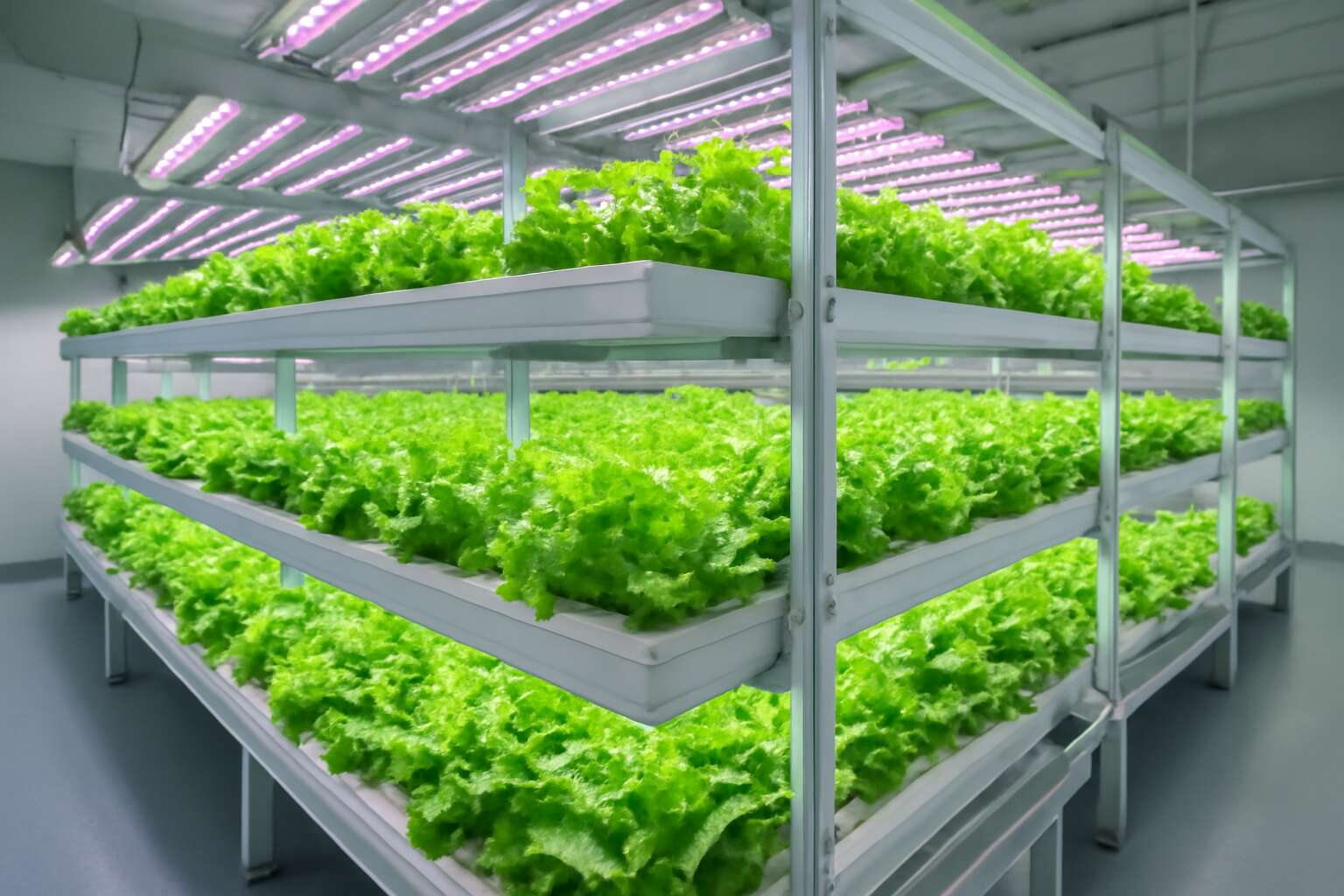
Benefits of hydroponic farming in modern agriculture
Increased yields and faster crop cycles
South Africa’s growing cities are turning to compact farming, and hydroponics advantages are at the center of this shift. Urban setups can deliver higher yields per square metre—often up to 40% more—while crops sprint through faster cycles. These advantages translate into dependable harvests that fit market windows. In practice, such systems reduce water waste and shield crops from climate swings, creating steady supply amid droughts and heat. What a shift this is for smallholders and city farmers alike!
- Efficient water use through recirculation and reduced evaporation
- Shorter, more predictable crop cycles with faster maturity
- Year-round production in controlled environments, boosting local markets
That combination of reliability and adaptability makes hydroponics a compelling pillar of modern agriculture in South Africa.
Water efficiency and conservation
In South Africa’s water-stressed cities, some hydroponic farms report up to 90% water savings compared with traditional soil farming, a compelling glimpse into the hydroponics advantages shaping modern agriculture.
- Recirculation keeps nutrients and water in use, cutting waste.
- Minimal evaporation in sealed environments preserves precious rainwater.
- Precise nutrient control reduces runoff and protects waterways.
Beyond water use, closed-loop systems reuse every drop, with precise nutrient scheduling that cuts runoff and shields local waterways. The result is a gentler footprint on landscapes already pressed by drought and heat.
With year-round production in controlled environments, urban growers can stabilize supply to local markets, even when weather outside is fickle.
Pest management and disease reduction
In SA’s fast-changing climate, farms embracing hydroponics advantages deliver steadier crop health and fewer pest upsurges! These systems confine roots to nutrient-rich solutions, locking out soil-borne pathogens and giving growers a head start against seasonality.
Pest management and disease reduction flourish when environments are controlled: consistent humidity, sealed enclosures, and precise water chemistry prevent many common ailments. A smaller pest footprint means fewer pesticide applications and less collateral impact on waterways.
- Biocontrols thrive in stabilized environments, reducing chemical interventions
- Clean nutrient recirculation lowers contamination risks
- Rapid detection and isolation of issues protect entire farms
In the lungs of the city, these disease-resistant, tidy systems harmonize with local markets and climate challenges, painting a future where crops arrive robust and ready for shelves.
Space efficiency for urban farming
Cities crave crops on tiny footprints, and in South Africa that’s not a punchline—that’s real life. In urban spaces, hydroponics advantages translate to more harvests from every square metre, improving space efficiency for urban farming, with plants thriving in carefully controlled microclimates. It’s not magic; it’s smart design meeting climate volatility head-on.
- Vertical racks and hydroponic columns turn walls into green, productive space.
- Modular, stackable pods let roofs, basements, and spare warehouses bloom.
- Automation-friendly layouts squeeze more crops per square metre without crowding.
<p that spatial cleverness helps SA farmers stay nimble in changing markets.
Year-round production and climate resilience
The year-round promise of hydroponics advantages isn’t a fantasy: greenhouse growers in South Africa have reported up to 40% higher year-round yields, even as temperatures swing. Precision, predictability, and efficiency distinguish this approach from traditional farming.
Year-round production thrives on controlled microclimates—cool root zones, stable day-length, and nutrient streams tuned to each crop. That climate resilience means steady supply chains, fewer crop losses, and more reliable pricing.
- Automated monitoring and precise dosing
- Modular layouts for seasonal shifts
- Recycling of water and nutrients
These factors stitch resilience into modern agriculture, especially for South Africa’s diverse climate, where harvests stay vibrant regardless of the forecast.
Key components of effective hydroponic systems
Growing media and nutrient delivery mechanisms
In South Africa, the best-kept secret of flourishing crops is a stat: up to 90% of water can be saved with well-tuned hydroponics advantages. The trick lies in a clean handshake between growing media and nutrient delivery mechanisms, turning a muddy mess into precise, plant-friendly traffic management for roots.
Growing media are the root’s home base—retaining moisture, guiding air, and preventing root rot. Several options shape results differently:
- Coco coir: excellent moisture retention and renewability
- Clay pebbles: airy, well-drained environment
- Rockwool: clean, consistent water holding
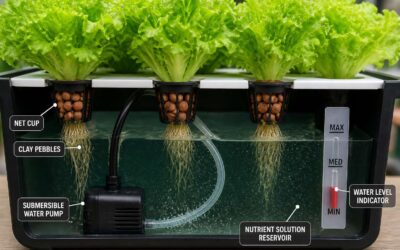
Nutrient delivery mechanisms keep the feed steady—whether through drip lines, nutrient film techniques, ebb-and-flow beds, or aeroponics. Each method tailors solution speed, concentration, and aeration to the crop’s needs, turning nutrition into predictable performance rather than a guessing game. When these components align, the hydroponics advantages become obvious.
Water quality, nutrient balance, and pH management
Across South Africa’s glass-green corridors, a quiet enchantment shapes crops with exacting grace. These hydroponics advantages ride on three steadfast pillars: water quality, nutrient balance, and pH stewardship. When the roots swim in clean, mineral-rich streams, they drink with intention, and we see every leaf offering proof of deliberate nurture rather than chance!
- Water quality: purity, mineral profile, electrical conductivity (EC), and temperature that keep roots breathing without stress.
- Nutrient balance: precise NPK ratios and micronutrients aligned to crop stage, avoiding shock and lockouts.
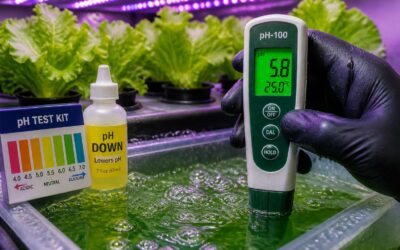
- pH management: stable acidity, typically tuned to about 5.5–6.5, with safe adjustments for different species.
Master these, and the system hums with predictable performance.
Lighting, climate control, and environmental parameters
Lighting, climate control, and environmental parameters are the trio that keeps a hydroponic system singing. In South Africa’s urban farms, tailored lighting schedules and the right spectrum prime photosynthesis, cutting irradiation waste and boosting uniformity. Seasoned growers report how a precise dawn-to-dusk rhythm turns shy seedlings into confident canopies!
Here’s how these components come alive:
- Smart, spectrum-appropriate lighting systems
- Reliable climate control with energy‑efficient sensors
- Realtime environmental monitoring and automated responses
Environmental parameters extend beyond temperature and humidity to airflow, CO2 balance, and clean intake air. When managed well, these factors tilt the odds toward consistent fruiting and flavor; hydroponics advantages show up as steady quality and reliable yields.
Automation, sensors, and monitoring
In SA’s urban farms, automation and sensing bring a calm discipline to growing that once felt like guesswork. Automated systems lift consistent harvests by a third, turning uncertainty into predictability. Key components—smart irrigation, nutrient dosing, and precise climate cues—work in concert so plants receive what they need, when they need it. These are among the hydroponics advantages.
- Automated dosing and irrigation to minimize waste
- Sensor-driven alerts that flag issues early
- Central dashboards for clear trend analysis
Real-time monitoring keeps environments stable as outside weather shifts. The result is steadier yields and healthier crops with less manual input.
Maintenance, sanitation, and troubleshooting
Across South Africa’s water-stressed cities, a well-tuned hydroponic system can slash water use by up to 90% compared with soil farming. Those hydroponics advantages translate into steadier harvests and calmer decision‑making on urban farms.
Maintenance, sanitation, and troubleshooting form the triad that preserves yields. Regular cleaning of channels and reservoirs prevents buildup, while sterilising fittings and pumps reduces contamination risks. Sanitation protocols keep pathogens at bay, and a simple troubleshooting routine flags pH drift, nutrient imbalance, or clogged emitters before they damage crops. A living log and ready spare parts shorten downtime and keep cycles predictable.
- Regular cleaning schedule for channels, reservoirs, and tubing
- Sanitation of fittings, pumps, emitters, and sensors
- Structured troubleshooting for pH, EC, clogs, and airflow
- Documentation of inspections and part wear to guide maintenance
Cost considerations and return on investment
Initial setup costs and equipment options
The hydroponics advantages are clear: in South Africa, water use can drop by up to 90% versus soil farming, and yields can rise quickly even in dry seasons. That’s not hype — it’s real, measurable improvement that SA farmers report on their farms, keeping them moving forward!
Initial setup costs vary widely. Entry-level systems start with modest outlays, while larger, climate-controlled rooms push the price higher. Expect a longer ROI if you chase every bell and whistle, but speed comes with automation and reliability. In practice, payback can run from one to three years, depending on scale, electricity costs, and crop mix in SA.
- Grow trays or NFT channels
- Reservoir, pump, tubing, and filtration
- LED lighting or other efficient spectrum sources
- Climate control hardware and sensors
Operating costs: energy, nutrients, and water
Water use in South Africa can drop by up to 90% with hydroponics, and yields hold steady even in drier seasons. The hydroponics advantages extend beyond the buzz and translate directly into the cost ledger—energy, nutrients, and water are the levers you must balance, tugging toward ROI. I’ve seen budgets that reward discipline with faster payback when automation isn’t over-embellished with bells and whistles.
- Energy: LED efficiency, night cooling, and smart controls shrink daily draw.
- Nutrients: closed-loop recirculation reduces fertilizer spend and variability in feed costs.
- Water: precise dosing and reuse guard against seasonal scarcities and evaporation losses.
In practice, the payback window often sits between one and three years, proving the hydroponics advantages in action, depending on scale, crop mix, and SA electricity tariffs—proof that prudence pays dividends in the long term!
Crop profitability, pricing, and market demand
South Africa’s urban farms are rewriting the math of farming. You’ll notice the hydroponics advantages show up as steady product streams and premium local pricing, even when rainfall falters. In major SA markets, locally grown greens and herbs routinely command 15-25% premiums compared with imports, widening the ROI window for new setups and scale-ups.
- Crop profitability drivers: selecting high-demand crops and optimizing harvest windows
- Pricing and contracts: securing consistent revenue through wholesale, retailers, and direct-to-consumer
- Market demand: tracking urban dining trends, hospitality procurement, and community-supported agriculture uptake
Returns tend to land within a one-to-three-year horizon, steered by market access and SA tariff realities.
Financing, subsidies, and ROI projections
South Africa’s urban farms are rewriting the cost curve. The hydroponics advantages include steady product streams and resilience when rainfall falters, helping ROI land in the 1–3 year window as local greens fetch premium prices.
Cost considerations center on upfront capex, energy use, and ongoing inputs. Key components to map are:
- Capital outlay for equipment, racks, and climate control
- Running costs: electricity, nutrients, water, maintenance
- Financing: loans, leases, and development finance options
- Subsidies and incentives that reduce upfront spend
ROI projections rely on market access and tariffs. With secured contracts and any available subsidies, payback tightens, and scale benefits compound as production becomes a steady, local supply line.
Environmental and health benefits
Pesticide reduction and cleaner produce
Across South Africa’s sunlit valleys, fresh greens can flourish with far less water and fewer pests—up to 90% less irrigation in many modern systems. The magic lies in a controlled soilless setup that uses dramatically fewer resources and creates cleaner, tastier harvests. It’s a quiet revolution that respects both people and place.
These hydroponics advantages include dramatically reduced pesticide needs, thanks to sealed environments and precise pest management. Fewer chemical sprays mean safer produce and lower residues, a boon for households and markets alike.
Consider these practical outcomes:
- Pesticide reduction reduces chemical residues and protects water resources.
- Cleaner produce through meticulous nutrient and irrigation control.
In a market thirsty for safe, sustainable food, these environmental and health benefits make the journey worth pursuing.
Water reuse, waste minimization, and sustainability
Across South Africa’s sunlit valleys, harvests bloom with more than size—they bloom with efficiency. These hydroponics advantages shine, offering up to 90% less irrigation in many modern systems. Water is captured, circulated, and reused in sealed loops, turning scarcity into quiet abundance.
- Water reuse in closed-loop systems dramatically lowers freshwater demand.
- Waste minimization through precise nutrient delivery reduces runoff and protects rivers.
- Sustainability grows from local production, reduced energy use, and resilient supply chains.
Health benefits appear as safer, cleaner produce and a lighter burden on water resources—a quieter, more respectful farming ethos that nourishes people and planet.
Carbon footprint and energy efficiency
Across South Africa’s sunlit valleys, farming meets ingenuity. The hydroponics advantages aren’t only about yield—they’re a smarter rhythm of water and sun. In many modern systems, closed loops reclaim scarce resources, turning drought into dependable supply. These benefits shine when every drop is counted and light is focused on growth, creating resilient harvests even in tough seasons. They shrink the carbon footprint and boost energy efficiency across operations.
- Local production slashes transport emissions.
- Precise nutrient delivery minimizes waste and runoff.
- Recyclable components and longer system lifespans reduce overall material impact.
Health benefits emerge as cleaner, safer produce with fewer handling hazards and less chemical exposure for workers, reinforcing a gentle stewardship toward people and land.
That is the heart of the hydroponics advantages at work, lowering the strain on waters and soils while empowering safer, local sourcing.
Food safety, traceability, and resilience
In South Africa, where intense sun meets careful farming, water-aware growing is rewriting our harvest stories. The wonder isn’t only in bigger yields; it’s in safer, more reliable harvests as weather and logistics tilt in our favor. These hydroponics advantages weave health for people and land into every table and tray.
Food safety gains ride alongside traceability. In controlled environments, batch records travel with the crop, enabling swift recalls and confidence from retailers and diners alike. These systems also minimize worker exposure to hazards and reduce contamination risks through clean handling protocols.
- End-to-end traceability from seed to shelf
- Rapid recalls supported by digital batch data
- Cleaner handling with standardized sanitation
Resilience feels almost magical: local hydroponic farms can stay productive through droughts and disruptions, keeping nutritious greens looping back to communities. In this way, environmental and health benefits become everyday nourishment, not whispers in a report.
Getting started with home and educational hydroponics
Choosing a beginner-friendly system: wick, DWC, NFT, aeroponics overview
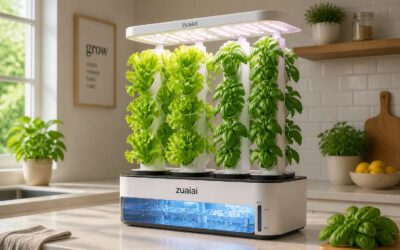
Urban South Africa teaches us to treasure every drop. Plants sprint from seed to harvest, and a balcony or classroom becomes a living lab. The hydroponics advantages reveal themselves quickly: faster growth, far less water use, and a sense that you’re cultivating resilience right at home.
Getting started means choosing a path that fits your space and patience. Four beginner-friendly routes stand out:
- Wick systems: simplest, passive, no pumps
- Deep Water Culture (DWC): roots in oxygenated nutrient solution, a tiny air pump keeps things lively
- Nutrient Film Technique (NFT): a thin film of solution flows past roots, efficient but steady monitoring is key
- Aeroponics: roots bathed in a fine mist, very water-efficient but higher setup and maintenance
Each option reveals practical strengths of hydroponics in action.
Embrace the learning curve, watch for changes in plant vigor, and let curiosity steer your experiments! The right starter system invites you to redefine farming for small spaces, making growing tangible in daily life.
DIY vs starter kits: pros and cons
Across South Africa’s balconies and classrooms, hydroponics advantages are turning tight spaces into thriving labs. In drought-prone towns, water use can drop by up to 90% with recirculating systems, and crops often reach harvests faster. Getting started means choosing between DIY builds and starter kits.
DIY setups reward curiosity but demand time; starter kits offer speed and support.
- DIY: Pros – low upfront cost, high customization; Cons – learning curve, ongoing maintenance.
- Starter kits: Pros – fast setup, guided components; Cons – limited scalability and higher upfront spend.
Whichever path is chosen, it turns classrooms and balconies into living laboratories where students test ideas and crops answer back with vigor.
Space planning, crop selection, and setup steps
Across South Africa, a sunlit balcony can become a thriving classroom of living data. In drought-prone towns, recirculating systems can cut water use by up to 90%, turning tiny spaces into reliable harvests. These hydroponics advantages invite schools, families, and communities to dream in green.
Space planning begins with light and accessibility. Position trays where sun or quality grow lights reach leaves for 12 to 16 hours, and keep a clean reservoir nearby. For crops, choose compact greens and herbs—lettuce, spinach, basil, and coriander—that thrive in nutrient solutions and delight young minds with rapid growth.
Getting started means weighing considerations rather than chasing a checklist:
- Space, light, and airflow balance
- Crop compatibility with the chosen nutrient mix
- System type and water management philosophy
- Baseline monitoring: pH, nutrient strength, and temperature

0 Comments