Hydroponic Systems in Modern Agriculture
What is a Hydroponic System
Urban farms in South Africa are rewriting the map of fresh produce, with hydroponic system agriculture cutting water use by up to 90% per crop—and that’s nothing to sneeze at in a water-scarce region!
What is a hydroponic system? It’s a soilless method where nutrient-rich water flows to plant roots, delivering minerals precisely while keeping pests at bay. Plants drink from a closed loop, so water and nutrients aren’t soaked into the soil but stay in circulation.
There are a few popular configurations that suit different spaces.
- Recirculating NFT (nutrient film technique) systems
- Drip-feed systems for compact urban plots
- Aeroponic or mist-based setups for leafy greens
Hydroponic System Types: Nutrient Film Technique, Ebb and Flow, Deep Water Culture
Urban farms in South Africa push boundaries where water is scarce and space is premium. In the realm of hydroponic system agriculture, efficiency is king, translating scarce rainfall into thriving greens. Yields per square metre can jump two to three times in tightly managed plots, proving that good design beats good soil every time.
The trio of main configurations keeps roots oxygenated and nutrients precise:
- Nutrient Film Technique (NFT) – a thin film of nutrient solution flows along a shallow channel, minimizing water use.
- Ebb and Flow (Flood and Drain) – cycles roots with periods of saturation and drainage to maximise oxygen.
- Deep Water Culture (DWC) – roots hang in aerated nutrient solution, supported by a raft or net pot.
How Hydroponics Boosts Yields and Resource Use
In drought-prone urban spaces, hydroponic system agriculture turns scarce rainfall into reliable harvests, delivering yields that can jump two to three times per square metre. This is not magic—it’s disciplined light management, precise nutrient delivery, and closed-loop water use that makes every drop count. Fresh greens on demand arrive regardless of season.
Modern greenhouses and urban farms in South Africa extend the reach of fresh produce far beyond farm belts. By controlling roots, oxygen, and flow, hydroponic systems reduce water waste, cut pesticide needs, and tighten crop cycles. The result is dependable yields in compact footprints, even in crowded city lots.
Key benefits include:
- Conserved water through recirculation
- Higher yields per square metre
- Year-round crop cycles
Economic and Environmental Benefits of Soil-less Farming
Harvests that ignore the weather—hydroponic system agriculture has unlocked year-round abundance for South Africa’s sun-baked cities. In spaces where rain is a guest, these soil-less gardens offer disciplined light, precise nutrient choreography, and closed-loop water that makes every drop count. Fresh greens arrive on demand, regardless of season, as roots breathe in controlled oxygen and streams of solution. The cityscape becomes a greenhouse, a corridor of possibility where compact footprints yield dependable harvests.
Economically, the model reshapes margins and timelines: shorter supply chains, reduced transport, and resilience against drought appear as everyday assets. Environmentally, water is conserved, energy footprints optimized through smarter climate control, and pesticide needs decline when crops stay healthily indoors. In South Africa’s urban farms, soil-less farming becomes more than a technique—it is a promise of local abundance, jobs, and a smaller, more hopeful footprint on the land.
Common Challenges and Practical Solutions
In urban corridors where sunlight is precious and water scarcer still, some farmers are proving that control beats luck. In SA, recent pilots of hydroponic system agriculture show year-round yields with far less water, and crops respond to steady care rather than weather whims—what a quiet revolution this is!
Common challenges include fluctuations in nutrients and pH, risk of disease in damp interiors, algae growth, and power outages that halt pumps.
- Monitoring and data-driven adjustments
- Resilience through redundancy and power stability
- Hygiene and biosecurity to guard against pathogens
Such challenges are navigated by keeping the system simple in principle, prioritising robust materials, and ensuring climate-controlled spaces that respect SA’s seasonal extremes.
System Design and Installation
Selecting the Right System for Your Space
Across South Africa’s diverse landscapes, a well-designed hydroponic operation can turn a small balcony into a reliable harvest!
In hydroponic system agriculture, space, light, and water are harmonized; a well-considered layout makes room for growth, even in compact urban setups. The best designs respect both budget and future needs, weaving practicality with a touch of rural pride.
- Available space and access for routine checks
- Lighting, ventilation, and climate control
- Electrical safety and water sourcing
- Maintenance routines and spare parts availability
Choosing the right system for your space also means weighing durability, serviceability, and energy use. Local suppliers and installers understand South Africa’s climate quirks, from dusty days to humid summers, and can tailor connections that last. A thoughtful design invites reliable harvests and a sense of shared stewardship for land and life.
Choosing a Growing Medium and Containers
A balcony harvest can rival a farmer’s pantry, and I’ve seen it happen. In urban South Africa, a modest 1.5 by 2 metre setup can yield around 8 kilograms of greens a month when lights, water, and flow are harmonized.
System design and installation hinge on accessible mounting, stable framework, and choosing a growing medium and containers that suit your space. Durable, easy-to-clean options save time, while inert media support consistent nutrient delivery in varying South African climates. This approach sits at the heart of hydroponic system agriculture.
Consider these growing-media choices:
- Rockwool for moisture retention
- Coco coir for sustainable drainage
- LECA clay pebbles for aeration
- Perlite for light-root support
Whichever medium you choose, ensure containers are food-grade, easy to lift, and suited to future upgrades as your growing needs evolve.
Nutrient Schedules and Water Quality Management
Design is destiny on a balcony: a sturdy, accessible frame and modular mounting can turn a small plot into a reliable harvest. In urban South Africa, space and water are scarce, and the right setup saves time and reduces risk. This is the heartbeat of hydroponic system agriculture.
Nutrient schedules hinge on steady delivery, crop stage, and media behavior. A balanced program avoids root shocks and keeps EC and pH within predictable bands, while the reservoir stays clean and aerated. Water quality management accounts for your source—municipal supply, borehole, or captured rain—and how it interacts with climate and media.
- Reliable, easy-to-clean components
- Accessible service points for maintenance
- Efficient circulation and adequate aeration
- Media compatibility and scalability
Lighting, Climate Control, and Automation for Efficiency
In hydroponic system agriculture, system design starts with a clean, accessible layout. Lighting must illuminate every level evenly, without glare or hotspots. Climate control keeps day and night temperatures steady, while airflow prevents stagnant air and humidity spikes. A deliberate installation reduces maintenance and saves water in the long run.
Plan for plug-and-play automation that reduces hands-on work. Install sensors for temperature, humidity, and reservoir level, then pair them with a simple controller or app. Use quick-connect fittings and clearly labeled cables to keep service fast and safe.
- LED or HPS lighting zones with dimmable drivers
- Smart controllers that adjust fans, pumps, and valves
- Waterproof, easy-clean fixtures and modular supports
Modularity matters. Keep the frame and mounting adaptable, so upgrades don’t derail the system. A tidy, scalable setup cuts downtime and makes future lighting or climate tweaks painless.
Nutrients, Water, and Growth Management
Nutrient Formulations and Dilution Protocols
In South Africa’s sunlit urban farms, yields can rise by as much as forty percent when nutrient balance harmonizes with water and light — the quiet drama of hydroponic system agriculture.
Nutrients are the lifeblood here: macro and micro blends tuned to leafy or fruiting stages, keeping the root zone nourished without salt stress. Formulations blend nitrogen, phosphorus, potassium with trace elements, with pH and EC as quiet conductors guiding uptake.
- Base nutrient formulations for hydroponic crops
- Micro-nutrient blends and trace element balance
- Water quality and mineral balance considerations
Dilution protocols govern concentration and freshness: the reservoir is never stagnant, and readings of EC and pH drift gently, inviting adjustments that preserve flavor, texture, and root breath.
Growth management here means balancing reservoir dynamics with plant demand, ensuring adequate dissolved oxygen and steady supply as seasons shift across South Africa’s climate.
pH, EC, and Water Quality Monitoring
In South Africa’s sunlit urban farms, hydroponic system agriculture hinges on precise nutrition. Macro and micro blends—calibrated for leafy or fruiting stages—nourish the root zone without salt stress, while nuanced shifts in nitrogen, phosphorus, and potassium shape vigor and flavor.
Water quality is the quiet author of every harvest. I watch EC drift and pH shift as conductors guiding uptake, with mineral balance and oxygenation keeping the reservoir alive rather than stagnant as seasons rotate across the country’s climate.
- Keep pH in 5.5–6.5; adjust promptly.
- Maintain EC targets per crop to avoid salt stress.
- Ensure continuous aeration and root-zone oxygen.
- Regularly test minerals, contaminants, and trace elements.
Growth management means aligning reservoir dynamics with plant demand, turning measurements into a steady rhythm that sustains flavor and yield as climate shifts.
Water Recirculation and Filtration Strategies
A 15% harvest uplift on South Africa’s sun-drenched urban farms isn’t magic—it’s disciplined water recirculation and filtration at work in hydroponic system agriculture! Nutrition becomes a quiet dialogue: macro blends and trace elements balance to feed roots without salt stress, while steady root-zone oxygenation keeps vigor steady as seasons turn.
To stay in rhythm, implement a lean water loop with reliable aeration and careful flow control. The following strategies fit naturally into a professional setup:
- Recirculation rate optimization to align with crop demand
- In-line filtration and biofiltration to maintain clarity and beneficial microbes
Growth management translates measurements into steady practice: align reservoir dynamics with plant demand, ensure continuous aeration, and deliver consistent nutrient flow without delay. In South Africa’s climate, this discipline sustains flavor and yield within hydroponic system agriculture.
Preventing and Managing Algae, Pests, and Disease
In South Africa’s sun-drenched urban farms, a tiny imbalance can ripple into a harvest-sapping reality. Nutrition, water quality, and growth management—kept in harmony—act as sentinels against algae, pests, and disease. Even a 10–15% yield dip traces back to a slip in root-zone balance.
- Balanced nutrients to minimize salt stress that can feed algae and pathogens
- Steady aeration and filtration to preserve water clarity and root health
- Sanitation routines and vigilant observation to catch invaders early
Within hydroponic system agriculture, growth becomes a dialogue between reservoir dynamics and plant demand: steady aeration, consistent nutrient flow, and clear water. A microbial entourage and vigilant monitoring strengthen defenses against algae and disease, while flavor and vigor stay on course. This hydroponic system agriculture approach rewards growers with reliable color and yield.
Stewardship is the quiet craft that listens to seasons instead of chasing trends.
Harvesting, Post-Harvest Handling, and Storage
Crops, Markets, and Best Practices
Choosing Crops for Hydroponics: Leafy Greens, Herbs, Tomatoes, and more
Cities pulse with appetite for reliable, crisp greens. Across South Africa, leafy greens, herbs, and tomatoes can be harvested year-round, defying the old calendar. Leafy greens—lettuce, spinach, and Swiss chard—form the sturdy backbone, while bright herbs lend aroma and character to every dish.
Markets crave consistency: supermarket shelves, farmers markets, and restaurant kitchens all want predictable flavor and supply. This reach is the magic of hydroponic system agriculture, turning compact spaces into steady harvests and shortening supply chains across major metros—Johannesburg, Cape Town, and Durban.
Best practices depend on balancing demand with space, seasonality, and shelf life. For a varied portfolio, try a mix of compact leaf varieties, culinary herbs, and fruiting crops such as cherry tomatoes. Consider these options:
- Lettuce and baby greens
- Basil, parsley, and mint
- Cherry tomatoes and cucumbers
- Microgreens and peppers
Farm Economics, Pricing, and Market Access
Year-round greens aren’t a luxury; they’re a business rhythm. As one grower puts it: ‘Year-round greens are not optional—they’re business continuity.’ In hydroponic system agriculture, predictable yields turn city spaces into reliable supply lines for Johannesburg, Cape Town, and Durban. Markets crave consistency: crisp lettuce, vibrant herbs, and cherry tomatoes that taste the same every week, cutting waste and smoothing cash flow.
- Supermarket chains and retailers
- Restaurants and hospitality groups
- Farmers markets and community hubs
- Direct-to-consumer online platforms
Pricing hinges on shelf life, transport efficiency, and packaging quality. A balanced crop portfolio protects margins and shortens the path from farm to fork, while clear market access—contracts, traceability, and reliability—keeps buyers returning for more.
Scaling Up: From Hobbyist to Commercial Operations
Urban farms in South Africa are rewriting the calendar. In a city kitchen or compact warehouse, hydroponic system agriculture proves a punchy antidote to seasonality, delivering consistent, premium greens year-round. It’s not vanity farming; it’s supply-chain resilience—crisp leaves and fragrant herbs, grown with precision, not guesswork.
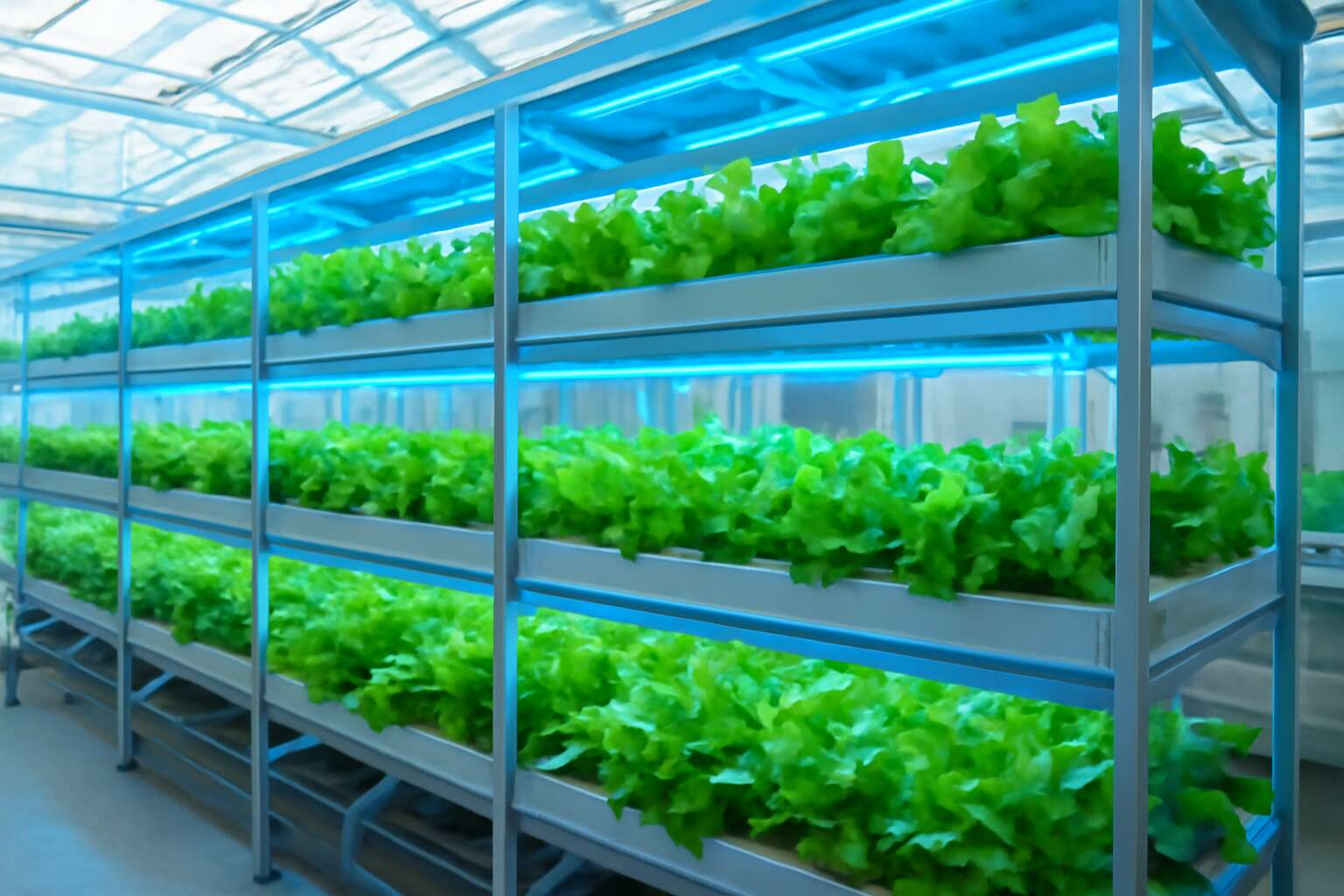
Crops destined for scaling are chosen for rapid turnover and space efficiency, with vertical racks letting you multiply yields without enlarging footprints. Markets crave reliability: uniform flavor, predictable shelf life, and clear provenance that sustains long-term partnerships.
- Retail partners: supermarkets and chains
- Food service: restaurants and hospitality
- Community channels: farmers markets and hubs
- Direct-to-consumer: online platforms
Best practices scaling up demand a disciplined playbook: modular infrastructure, standardized procedures, and relentless data tracking. Start with adaptable systems, automate irrigation and climate control, and lock in logistics so growth never halts the line.
Sustainability, Certification, and Quality Standards
In South Africa’s urban farms, precision turns inches into yield. “Control is nourishment,” says a veteran grower, and the numbers back him: consistent harvests, year-round flavor, and fewer seasonal shortages. The hydroponic system agriculture movement is rewriting what a small footprint can sustain.
Cropping choices tilt toward rapid turnover and uniform quality. In controlled racks, varieties that deliver predictability win, while sustainability and rigorous quality standards guide every step, from water use to waste minimization. Certification processes and transparent provenance build trust with buyers and future partners.
Markets thrive on reliability:
- Retail partners: supermarkets and chains
- Food service: restaurants and hospitality
- Community channels: farmers markets and hubs
- Direct-to-consumer: online platforms
Maintaining consistent flavor and shelf life keeps corridors open and contracts intact.
Case Studies and Real-World Successes in Soil-less Farming
Crops in soil-less farming are curated for speed and reliability. Microgreens and compact aromatics flourish under precise nutrient regimes, stacked high in clean rows. In this quiet urban theater, hydroponic system agriculture is more than a slogan—it’s a promise of controlled flavor and dependable yields.
Markets reward consistency and punctual deliveries. Retail shelves, restaurants, farmers’ markets, and online platforms stay stocked when data-driven farming meets disciplined communication; buyers trust provenance and predictability as much as taste, and a well-timed harvest gets the standing ovation it deserves.
Best practices and real-world successes echo from Cape Town to Durban. Case studies highlight precision in water use, modular rack design, and demand-driven cropping calendars that cut waste and lift margins.
- Compact vertical racks delivering efficiency and uniformity.
- Standardized nutrient cycles aligning with market windows.
- Transparent provenance earning ongoing retailer partnerships.

0 Comments