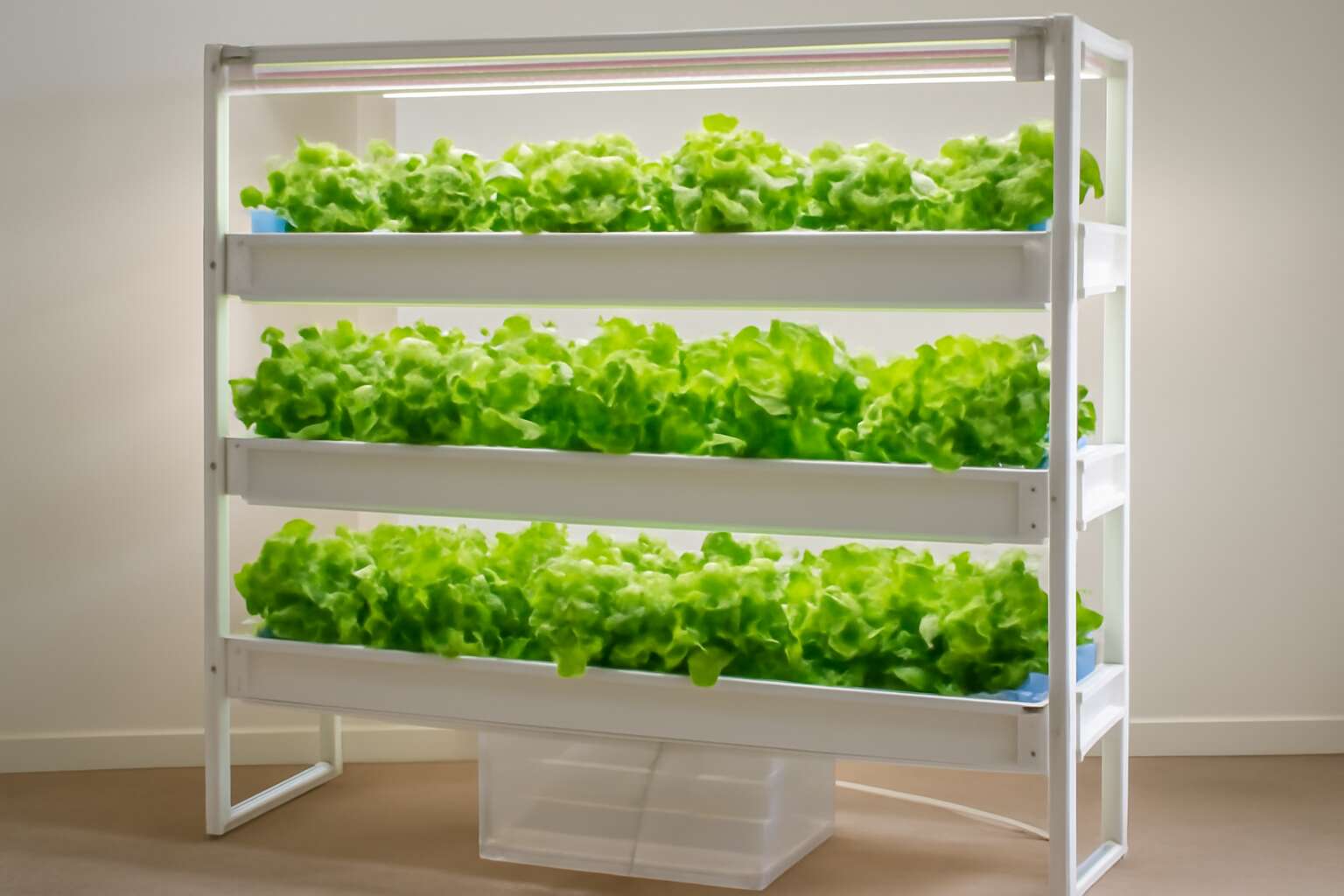
Understanding hydroponic systems
What is hydroponics and why it matters
Shadows lengthen across the city as a gleaming cabinet of greens survives where the sun falters. In South Africa, water scarcity has sharpened the value of controlled growth: hydroponics can cut water use by up to 90%. Understanding hydroponic systems is more than technique; it’s a quiet covenant with precision. A single healthy plant can thrive on clean water, exact nutrients, and a patient rhythm, even when soil lies far away!
The anatomy is simple in spirit: a reservoir, a pump, a circulating nutrient solution, and a growing medium that yields without soil. When you plan a hydroponic system build, you weigh space, light, and reliability. There are several families—the nutrient film technique, deep-water culture, and drip systems. Three essentials to consider:
- Reservoir and pump
- Nutrient solution and delivery
- Growing medium and support structure
With flow and balance, the system becomes a living sculpture of growth.
Key benefits over soil-based cultivation
In water-scarce South Africa, a well-tuned hydroponic system build can sip up to 90% less water than soil farming—without sacrificing yield. That kind of precision isn’t magic; it’s steady nutrient delivery, controlled irrigation, and a dash of clever engineering. Understanding these systems helps planners avoid guesswork.
- Water efficiency: precise delivery minimizes waste
- Nutrient control: tailored mixes reduce runoff
- Space efficiency: compact layouts fit urban SA landscapes
- Year-round production: climate and season don’t decide your harvest
These advantages shape your setup, translating into predictable harvests and steadier cash flow rather than weather roulette. With space, light, and reliability aligned, farmers and urban gardeners here can grow confidently, year-round.
Common hydroponic system types
Water is the currency of South Africa’s fields, and precision pays: a well-tuned hydroponic system can sip up to 90% less water than soil farming, while yields stay robust.
Common hydroponic system types shape how nutrient and root experience unfolds. Understanding these types informs your hydroponic system build choices.
- NFT (Nutrient Film Technique): a shallow film of nutrient solution streams past roots, using minimal water and light-touch support.
- Deep Water Culture (DWC): roots hang in a nutrient-rich, oxygenated reservoir for rapid growth.
- Ebb and Flow (Flood and Drain): cycles combine irrigation and resting phases to suit varied crops.
- Drip Systems: precise, scalable delivery to each plant with modular components.
Each approach asks for different infrastructure, monitoring, and electrical reliability; for SA urban plots, the right choice aligns space, crops, and budget, delivering quiet, predictable production.
Choosing the right hydroponic system design for your space
Site assessment and space planning
Urban growers report up to 90% water savings with hydroponics, turning tiny balconies into steady harvests. Choosing the right design starts with a quick site check: available light, floor area, and how much weight the surface can bear. With those numbers in hand, you can tailor a layout that minimizes wiring and plumbing runs. This approach underpins a reliable hydroponic system build.
Map your space into zones for lights, reservoirs, and access. A vertical rack or compact bench can multiply yield in a small footprint, while good airflow and drainage prevent dampness and waste. In South Africa, plan for power interruptions with simple backups and consider sun exposure, shade, and heat management to protect roots and pumps. A well-planned plan keeps efficiency high and surprises low.
Choosing system types by space sizes: small, medium, or large
A balcony, a cellar niche, or a cozy stoep corner can yield a surprisingly hearty harvest when you design with intent. Choosing the right hydroponic system build design for your space comes down to footprint, light, and load. When those metrics guide the plan, the result is practical, not pie-in-the-sky.
For space sizes, here’s a quick guide:
- Small spaces: vertical racks maximize height with minimal floor area.
- Medium spaces: modular benches with integrated reservoirs keep plumbing tidy.
- Large spaces: scalable multi-tier systems balance light, airflow, and access.
These choices keep systems efficient and predictable, a rare win in a world of fluctuating power and South African sun. Your setup becomes a reliable crop machine, delivering green on schedule and a smile on the grower’s face.
Energy efficiency and water usage considerations
Across South Africa, where erratic outages meet drought-prone summers, a well-tuned hydroponic system build turns risk into ripeness. When space, light, and load are harmonized, even a balcony corner can yield a pantry-worthy harvest that feels almost supernatural in its reliability.
Energy efficiency starts at design: position components for minimal pump run time, favor low-watt LEDs, and synchronize cycles with daylight. Water usage becomes asset with closed-loop recirculation and precise nutrient delivery, cutting waste and guarding against surges in supply. The result is a system that breathes with the sun and stays on schedule.
- Power-conscious layout reduces draw during peak demand
- Water-saving features like recirculation and leak detection
- Modular components enable scalable efficiency as needs grow
With these considerations, the hydroponic system build becomes a quiet engine of consistency, a green beacon amid load-shedding and weather swings, speaking directly to South African growers who want results without drama.
Budgeting and cost expectations
Space is the new growing frontier, and your choice of design should respect light, water, and sneaky SA outages. A compact balcony or a sunlit windowsill doesn’t deserve a DIY circus—pick a modular layout that holds water, not drama. A well-planned hydroponic system build sets the tempo for steady harvests rather than weekend headaches, and, as one SA grower likes to remind us, “read the pH, read the weather.”
Budgeting is less fear and more forecast. Start with up-front costs, then anticipate running expenses as living wages for plant life. In SA terms, size and choice of tech swing the price, but the payoff is dependable yields even through load-shedding.
- Upfront hardware and installation
- Lighting, pumps, and climate controls
- Ongoing nutrients, electricity, and replacements
DIY materials and hardware for a beginner friendly build
Selecting containers, pumps and lighting
Urban farms whisper under the city’s dim glow, and hydroponics turns that whisper into a chorus. A striking statistic lingers: up to 90% less water than soil—a green omen in the fevered streetlight. For a beginner-friendly hydroponic system build, the allure is practical and poetic: compact spaces, glassy reservoirs, and roots that drink like midnight rain.
Selecting containers, pumps and lighting requires practicality with a dash of mystery. Prioritize food-grade materials and tight seals to keep leakage at bay. For containers:
- Reservoirs and totes (opaque, UV-resistant)
- Net pots or baskets to cradle roots
- Lids and grommets to seal the chamber
The heart lies in a reliable pump, tubing, and a lighting plan that glows without glare. A compact submersible pump with air stone keeps motion steady, while LEDs deliver even, efficient brightness. In South Africa’s climate, energy-efficient lighting and a timer help harmonize day length with the seasons—a quiet cadence for the hydroponic system build!
Nutrient solutions and pH management
Nutrient solutions and pH management are the quiet engines behind a thriving crop. The right blend feeds roots, the right pH unlocks it all, turning plain water into possibility. For a thoughtful hydroponic system build, you want materials that stay clean and predictable, even when the lights glow late in SA.
DIY materials and hardware for this stage are about reliability. Gather the essentials, simple to source and calibrate:
- Food-grade reservoir or tote with a secure lid
- Nutrient mixing container with measurement marks
- pH meter or reliable test strips with calibration solutions
- EC/TDS meter for nutrient strength checks
- pH up and pH down reagents in safe containers
- Graduated measuring jugs and syringes for dosing
With these in place, the setup feels sturdy, clean, and quietly confident.
Ventilation, airflow, and temperature control
Ventilation, airflow, and temperature control are the quiet engines behind a steady harvest. In compact South African grow rooms, well-tuned air cycles can cut heat buildup by up to 40%, preserving root health long after lights dim. For a beginner-friendly hydroponic system build, reliability and quiet operation are the priorities that matter most. I hear the room breathe when the fans settle—calm, almost cinematic.
- Inline duct fan with suitable CFM
- Rigid or flexible ducting and intake vents
- Thermostat or hygrostat to track temp and humidity
- Exhaust with a carbon filter or muffler for odor control
- Silencers, vibration mounts, and weatherproof seals
With these elements in place, airflow stabilizes the environment and the room’s pulse becomes predictable. This is the heartbeat of a hydroponic system build, where careful hardware keeps growth eager and uninterrupted!
Safety and gear for at-home builds
Every successful hydroponic system build rests on a quiet coalition of DIY materials and guardrails. In compact South African grow rooms, the right hardware and safety gear let beginners lean into the work without fear. The goal is reliability and calm—sturdy, moisture-rated containers, corrosion-resistant fittings, and vibration-damping mounts that keep the room hushed as lights cycle. For a confident hydroponic system build, smart choices in gear transform risk into routine and curiosity into steady growth.
For peace of mind, assemble these safety and at-home build essentials:
- Chemical-resistant gloves and long-sleeve apron
- Clear splash goggles and a snug dust mask or respirator
- Non-slip footwear and soft anti-vibration mats
- Moisture-rated sealants, tapes, and clamps
- Basic electrical tester (voltage detector) and a small multimeter
Choose components with durability and local compliance in mind, keeping the atmosphere steady and the project moving without distraction.
Step by step guide to assemble a basic hydroponic system
Planning and layout sketch
Cities hum with possibility when a shelf becomes a harvest, and the garden opens a pulse in the heart of a home. In South Africa, year‑round greens have become a quiet revolution, where clean water and careful planning do the heavy lifting. A mentor once reminded me: the mind plants the blueprint before the hands touch soil!
Planning and layout sketch form the skeleton of the project. This is about story more than gadgets: where light lands, where a reservoir might dwell, and how easily you can reach each cradle. This is the heartbeat of a hydroponic system build.
- Space, light, accessibility mapped in clear terms
- Flow-friendly layout balancing plants, nutrients, and air
- Sketch translated into a guiding schematic for growth
The result is a living map, portable and adaptable to South African homes—from compact flats to terraces—where design and patience converge toward a reliable harvest.
Assembling the frame and reservoir
In South Africa’s sun‑lit cities, year‑round greens are blooming into a quiet revolution, grown on balconies and in small rooms. The frame you erect and the reservoir you anchor become more than hardware—they’re the living spine of a hydroponic system build.
Follow this concise sequence to assemble the frame and reservoir.
- Choose sturdy materials and assemble the base, keeping corners square for stability.
- Attach vertical supports and braces, checking for level and plumb.
- Position the reservoir and seal connections to prevent leaks while allowing easy top-ups.
- Route tubing with gentle bends, securing it away from heat and contact with plants.
With the skeleton in place, a brief check confirms no wobble and clean edges, ready to cradle roots and the upcoming nutrient flow.
Installing irrigation, timer, and controls
In South Africa’s sun-lit balconies, water becomes a heritage of care rather than waste. Nearly 90% less water can be used with a thoughtful hydroponic system build, where irrigation, a timer, and controls choreograph growth in the quiet hours. The system breathes with you, a sentinel against waste, as roots reach for the first hint of life in your urban night.
- Identify tubing routes from the pump to beds, ensuring no sharp bends and gentle flow.
- Position the reservoir and the pump, keeping connections secure yet accessible.
- Install a timer and basic controls to automate cycles, with a simple safeguard against failures.
- Test the circuit and observe the rhythm of moisture delivery, adjusting the schedule as desired.
Thus, the skeleton of your grow overtakes the balcony with leaves and lungs of green, the city listening to a quiet, unearthly glow.
Testing, troubleshooting, and first planting
A brisk South African breeze carries a fact that lingers: balcony growers report up to 90% water savings with a thoughtful hydroponic system build. The air is thick with possibility as tubes trace a clean path from reservoir to the root zone, a quiet invitation to growth on a sunlit balcony.
Testing reveals a rhythm—a quiet hum, a steady drip, a sign that the loop is alive. In quiet stages, seals and connections are weighed for integrity, and air pockets are watched with care. Then a simple checklist captures the moment:
- Flow and seals observed for leaks.
- Nutrient solution and pH within an acceptable range.
- Timer cycles running with consistent moisture.
First planting follows when the system breathes evenly, roots seeking life in the substitute soil of solution. On a sun-washed balcony in Cape Town, greens unfurl and the city softens around the glow.
Maintenance, optimization, and scale-up strategies
Routine maintenance checklist
Maintenance is the heartbeat of a solid hydroponic system build. Routine checks keep nutrient levels stable, pumps humming, and algae at bay. In South Africa, that means watching heat, backup power, and energy use—because nobody wants a harvest halted by a brown-out.
To keep things shipshape, run this quick routine:
- Check reservoir pH and EC daily
- Inspect pumps and tubing for leaks
- Calibrate timers and controllers monthly
- Clean filters and emitters regularly
Optimization comes from data. Track water use, energy draw, and plant vigor; small gains compound. For scale-up, plan modular beds, smarter dosing, and automation so growth feels inevitable rather than a leap of faith.
Nutrient management and plant monitoring
Upgrading components for higher yields
Across South Africa’s arid pockets, a well-tuned hydroponic system build can cut water use by up to 90% while delivering consistent growth. Maintenance becomes quiet discipline—checking seals, refreshing reservoirs, and keeping pumps humming without drama. The lesson is simple: reliability compounds, and small fixes early prevent big losses down the line.
Optimization and scale-up hinge on modular thinking. Upgrading components for higher yields isn’t about chasing novelty but about aligning hardware to the plant’s needs—more precise control, tighter nutrient delivery, and better monitoring. Focus areas include:
- quality pumps and fittings
- sensors that translate data into harmony
- efficient lighting and reflective surfaces for uniformity
For a mature hydroponic system build, upgrades become a dialogue between space, power, and potential—expanding capacity without compromising reliability.
Common issues and their fixes
Across South Africa’s arid pockets, a well-tuned hydroponic system build can save precious water while delivering steady growth. Maintenance becomes quiet discipline: checking seals, refreshing reservoirs, and keeping pumps humming. The lesson is simple—reliability compounds; small fixes early prevent big losses down the line.
Optimization and scale-up hinge on modular thinking. Upgrades should align hardware to the plant’s needs—more precise control, tighter nutrient delivery, and sharper monitoring. The focus is resilience through smart components and clean data.
- Leaks and seals failing — reseal or replace gaskets to prevent drips.
- Pumps that rumble or overheat — verify mounting and wear; swap when needed.
- Sensor drift — recalibrate and consider newer sensors for accuracy.
- Algae in reservoirs — keep light out and clean surfaces to preserve clarity.
Scale-up becomes a dialogue between space, power, and potential—expanding capacity without sacrificing reliability. Thoughtful layout, efficient lighting, and reflective surfaces promote uniformity while conserving resources.

0 Comments