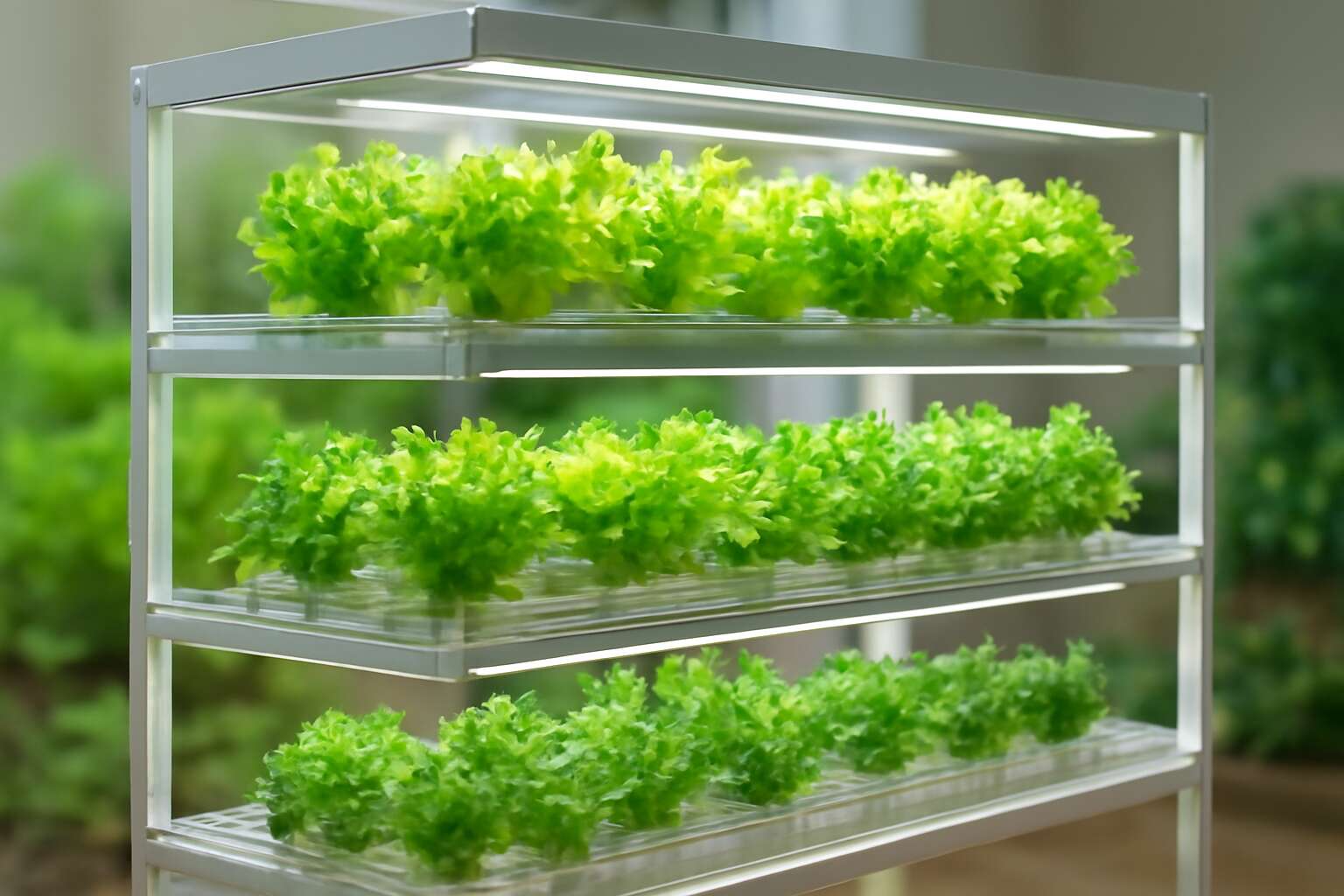
Key advantages of hydroponics over soil
Resource efficiency and water use optimization
In a world where each drop feels like a rare coin, hydroponics reveals a brighter harvest. A recent study shows water use reductions of up to 60% when compared with traditional soil farming, a boon for drought-prone regions of South Africa. By delivering nutrients directly to roots, it trims waste, speeds growth, and stabilizes yields in fluctuating climates. This is part of why hydroponics is better than soil.
Resource efficiency is more than a buzzword; it’s a growing advantage in modern farming. Key benefits include:
- Precise nutrient delivery minimizes waste
- Recirculating systems drastically reduce water loss
- Compact trays and controlled environments maximize production in small spaces
South Africa’s urban farmers and commercial growers are gravitating toward these systems, trading soil chaos for a clean, predictable rhythm of growth.
Nutrient control and precision feeding
In farming, precision is profit! Hydroponics lets you dial nutrients with the exactness a kitchen scale demands, delivering stability where soil wobbles. This is a core reason why hydroponics is better than soil.
Nutrient control and precision feeding remove guesswork. You monitor EC, pH, and crop stage, then feed zones respond in real time, trimming waste and avoiding overloading roots.
- Exact nutrient formulation tailored to each crop
- Stage-specific feeding schedules that match growth spurts
- Minimal leaching and nutrient runoff, ideal for water-scarce regions
With this control, yields stay consistent even when climate fluctuates, a practical edge for South African urban farms and commercial growers alike.
Pest and disease management without soil
In South Africa’s urban farms, pests stalk crowded plantings—yet soil-free systems stand guard with a cleaner, more predictable rhythm. Disease spores lose their grip in a sterile cradle, and heat waves no longer ride to a harvest-killing climax. This is why hydroponics is better than soil for pest and disease management.
Here are the standout advantages in pest and disease management when farming without soil:
- Root-zone isolation blocks soil-borne pathogens, reducing outbreaks
- Controlled environments curb pests, enabling targeted IPM with fewer chemicals
- Easy sanitation and quarantine limit cross-contamination between crops
I’ve watched urban farmers turn the risk dial down, harvesting steadier yields even when pests scatter outside the door!
Faster growth rates and higher yields
Across South Africa’s city farms, harvests sometimes glow with 30 to 40 percent faster maturation. The answer to why hydroponics is better than soil is not superstition but rhythm—root zones kept pristine, a harvest cadence that defies the season. I stand beneath the glass, listening as leaves whisper in a controlled hush!
Growth accelerates when nourishment lands exactly where roots hunger, and the spell holds steady through cloudy days. In this world of steel and sun, the promise is steady, higher yields that rise like midnight crops.
- Targeted nutrient delivery without waste
- Constant moisture and oxygen balance
- Uniform canopy management for peak photosynthesis
Speed and abundance are not curses but the new gravity of farming without soil. The horizon tightens, the yields sing, and the future feels heavier with possibility—without compromising the quiet dignity of the crop.
Compact setups and scalability for small spaces
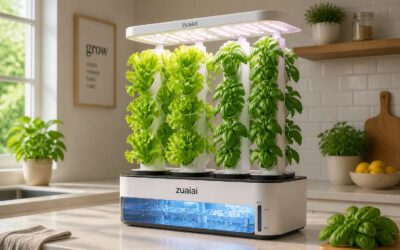
In a South African urban kitchen, I set up a compact hydroponic rack that punches above its weight—1.2 by 1.2 metres of space, yielding a steady flow of leafy greens month after month. No soil, no weeds, just clean channels and light. Space becomes scalable, not a fixed constraint, turning balconies into productive zones.
Compact setups thrive on modularity. I’ve seen these elements make small spaces sing:
- Modular, stackable units that grow with your space
- Vertical layering to maximize harvest per square metre
- Plug‑and‑play climate control keeps schedules steady
- Minimal infrastructure and water footprint for shared spaces
In SA’s towns and campuses, compact rigs prove that space-saving can fuel scale, and from there the question—why hydroponics is better than soil—begs for practical answers!
Environmental and sustainability benefits
Reduced water consumption and conservation
Water is the new oil, and South Africa treats it accordingly. In a country where taps sometimes sputter, hydroponics turns drought into a manageable inconvenience. If you’re wondering why hydroponics is better than soil, this is the sustainability snapshot that matters: precision water delivery keeps every drop where it counts, right at the plant roots. The result is lower waste and resilient crops, even with erratic rainfall.
By using closed-loop systems and recirculation, farms minimize evaporation and runoff; cleaner water means less contamination; urban growers can stay productive with rooftop or warehouse setups.
- Closed-loop water cycles reduce evaporation and runoff
- Reused nutrient solutions cut waste and leakage
- Local production near markets cuts transport emissions
In South Africa’s water-stressed landscape, this isn’t a luxury—it’s pragmatic farming.
Lower land impact and soil erosion prevention
South Africa’s drought-prone landscapes demand a new pact with the land. In urban farms across the country, hydroponics trims land disturbance—reports estimate up to 60% less footprint for the same harvest—showing why hydroponics is better than soil.
Lower land impact and soil erosion prevention are the quiet champions here. Building up rather than digging out protects slopes, farmlands, and riverbanks from sediment and ruin; rooftop and warehouse gardens become guardians of terrain, not eroders.
- Reduced ground disturbance
- Less sediment runoff
- Vertical farming preserves hillside soils
In SA’s sun-splashed climate, hydroponics offers ecological balance without compromising production. The land remains intact, waters stay steadier, and communities gain resilience as the soil beneath waits for future seasons.
Indoor farming compatibility enabling year round production
South Africa’s urban skylines are awakening to a quiet revolution: hydroponics in warehouses and on rooftops. Reports estimate up to 60% less footprint for the same harvest, a tangible win for the planet. By confining cultivation to controlled spaces, these systems curb water loss, cut chemical drift, and stabilize outputs through drought-prone seasons. Indoor farming compatibility enables year-round production, turning sunny days into steady yields even when outdoor conditions falter. This is why hydroponics is better than soil!
With less reliance on fickle weather, farms become resilient hubs—reducing waste, conserving resources, and protecting urban ecosystems. The result is cleaner air, quieter operations, and communities with predictable food supplies.
- Controlled environments minimize pesticide drift and runoff
- Efficient resource use supports sustained production with fewer inputs
- Urban sites cut transport emissions and boost local food security
Energy usage considerations and efficiency upgrades
Urban farming in South Africa is shrinking the environmental footprint of food. Reports estimate up to 60% less footprint for the same harvest in controlled spaces. The environmental and sustainability benefits stack quickly in hydroponic systems, and this is a big reason why hydroponics is better than soil.
Energy planning matters, and smart design goes a long way. We lean on efficient lighting, climate control, and power sources that fit crop needs. Here are some upgrades that make a real difference:
- Efficient LED lighting tuned to crop spectra
- Heat recovery ventilation to reclaim waste heat
- Solar PV and battery storage to cut grid reliance
- Smart sensors that trim climate and irrigation waste
- Insulated enclosures to minimize losses
When energy is used wisely and waste is minimized, the case for why hydroponics is better than soil becomes clear.
Quality and consistency of harvest
Consistent produce quality through controlled conditions
An urban farm in Cape Town reports a 28% uptick in harvest uniformity after switching to hydroponics. The data whisper a simple truth: precision outpaces chance. This is why hydroponics is better than soil.
Quality and consistency emerge when conditions are steered rather than left to chance. Light, roots, and nutrients stay in harmony, delivering fruit with predictable color, size, and aroma. The result isn’t luck; it’s a performance of careful calibration and steady rhythm.
- Uniform color, size, and aroma across batches
- Predictable ripening timelines and firm texture
- Consistent nutrient uptake shaping steadier flavor
That reliability travels beyond the greenhouse—retailers and home cooks notice the difference in every bite. In a market hungry for dependable quality, hydroponics offers a steadier harvest narrative than soil ever could.
Fewer contaminants and cleaner harvests
“Clean harvests aren’t a bonus; they’re the baseline,” says an urban farmer in Cape Town. That clarity translates into quality you can taste. This is part of why hydroponics is better than soil: you fix the variables, not the luck of the season. Lights, roots, and nutrients stay in harmony, delivering fruit with predictable color, size, and aroma, batch after batch.
Fewer contaminants show up as cleaner harvests at every step.
- Fewer root-zone contaminants that cut soil-borne residues from harvests.
- Cleaner produce with less particulate matter as it moves from greenhouse to shelf.
- More uniform sanitation standards across batches, boosting consumer confidence.
Expanded crop variety and climate flexibility
Harvest quality holds steady even when the weather turns capricious, and Cape Town’s urban farms illustrate this with color and size staying reliably uniform across batches. This is why hydroponics is better than soil. In a closed-loop system, lights, roots, and nutrients dance in harmony, delivering fruit with a dependable profile and aroma—season after season, year after year.
Expanded crop variety and climate flexibility let growers bend seasons to their will. In a controlled habitat, you can push beyond the traditional calendar to nurture leafy greens, herbs, strawberries, and other high-value crops. The room becomes an orchestra, with temperature and humidity tuned to the crop’s tempo.
- Leafy greens and herbs year-round
- Strawberries and specialty crops in precise environments
- Market-responsive varieties on demand
That consistency is a quiet revolution for brands—clearer colors, steadier sizes, and aroma you can trust. This proves why hydroponics is better than soil.
Disease and pest risk reduction for cleaner products
Quality in harvest is the quiet pulse behind every storied brand. In hydroponics, disease and pest pressure are met with discipline—sanitized channels, controlled airflow, and precise nutrient balances—so fruit ripens with predictable color and scent. The result is a steadier harvest profile, batch after batch. This is why hydroponics is better than soil.
- Lower pest pressure through sealed environments
- Cleaner residues from controlled inputs and filtration
- Uniform color, aroma, and texture across batches
In South Africa’s urban markets, that reliability translates into steadier supply for retailers and farmers alike. The glass-house grows more than plants; it grows trust.
Cost, maintenance, and total ownership
Initial setup costs versus long-term savings
The initial sticker price of a solid hydroponics kit can raise eyebrows, yet the operating costs melt away faster than a cucumber in summer. In SA, water-smart systems cut consumption dramatically, delivering a compelling return when you consider long-term ownership. This is why hydroponics is better than soil in many practical respects, especially when cost and maintenance are on the line.
- Upfront equipment and installation
- Recurring energy and consumables
- Maintenance and parts lifecycle
Maintenance cadence matters as much as the upfront spend. Regular checks on pumps, timers, and nutrient reservoirs prevent downtime and extend system life, lowering the total ownership cost over years.
In SA’s climate, a well-designed setup also preserves capital through modular upgrades, turning a one-time expense into years of predictable harvests.
Maintenance ease and automation opportunities
Cost considerations in hydroponics aren’t traps, they’re investments. The upfront price of a sturdy kit can raise eyebrows, but the long view reveals savings through precise nutrient use, reduced soil waste, and water-smart operations tuned for South Africa’s climate. Modular designs allow expansion in stages, turning a single expenditure into years of harvests. This helps explain why hydroponics is better than soil for practical ownership.
Maintenance cadence matters as much as upfront spend. Regular checks on pumps, timers, and reservoirs prevent downtime and extend system life, trimming total ownership costs over years. In SA’s heat, automation isn’t a luxury; it’s resilience.
- Smart timers and programmable controllers
- Automated nutrient dosing with pH control
- Remote monitoring and fault alerts
Water and nutrient cost management
Across South Africa, a compact hydroponic setup can slash water use by up to 90%, turning scarce resources into abundance. The headline—why hydroponics is better than soil—finds its answer in numbers: tighter water budgets, smarter nutrient use, and steadier harvests that defy climate quirks.
Maintenance cadence matters as much as upfront spend. Regular checks on pumps, timers, and reservoirs prevent downtime and extend system life, reducing ownership costs over years. In SA’s heat, automation isn’t a luxury; it’s resilience—keeping costs predictable even on blistering days.
A few cost-smart features to watch include:
- Remote monitoring and fault alerts prevent downtime
- Modular designs let you grow in stages
- Energy-efficient pumps trim running costs in heat
Water and nutrient cost management for hydroponics means you buy fewer nutrients, waste less water, and protect yields through precise feeding and closed-loop systems.
System longevity and depreciation considerations
Across South Africa, a compact hydroponic setup can transform parched plots into productive oases, slashing water use by up to 90%. In the battle of soil versus solution, this is why hydroponics is better than soil—precision, resilience, and harvest stability even as temperatures soar.
Consider these cost-friendly features that extend lifespan and protect depreciation:
- Remote monitoring and fault alerts preserve uptime
- Modular designs grow with you, reducing upfront spend
- Energy-efficient pumps lower running costs in heat
Maintenance cadence, automation, and clean supply chains translate into predictable, long-term ownership! Regular checks on pumps, timers, and reservoirs prevent downtime and extend system life, lowering total cost of ownership. In SA’s heat, automation isn’t luxury but resilience, guarding against costly downtimes and depreciation pressures.
Practical implementation and best practices
Choosing hydroponic methods aligned with goals
Across South Africa’s urban farms, controlled environments can dramatically reduce water use and shorten harvest cycles. That’s part of why hydroponics is better than soil: with precise nutrient delivery, crops stay in ideal balance even in compact spaces.
Practical implementation hinges on aligning the method with goals: space, crop type, and energy availability all shape the best fit. These alignment factors include:
- Space and crop footprint match
- Water and energy availability
- Crop cycle synchronization
- Monitoring and maintenance cadence
With careful alignment, the chosen hydroponic system matches seasonality, energy costs, and local markets, delivering predictable yields and cleaner harvests. This thoughtful approach keeps growth steady, even as conditions shift across South Africa’s diverse landscapes.
Nutrient solutions, monitoring, and adjustment routines
Practical implementation hinges on alignment: space, crop type, and energy availability determine the best fit. In South Africa’s urban farms, nutrient solutions stay balanced and harvests stay predictable, even when weather ruffles the day. This is why hydroponics is better than soil: precise delivery keeps crops in ideal balance in compact spaces. When goals shift, adjustment routines adapt, not chaos.
I keep a clean, concise monitoring cadence. I rely on three touchpoints to stay in tune:
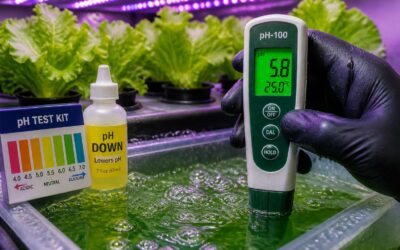
- pH and EC balance checks
- Reservoir temperature and aeration status
- Plant observations guiding minor tweaks
With this approach, hydroponics thrives in SA’s climate and markets, delivering predictable yields and cleaner harvests—without the drama of soil.
System design considerations for home versus commercial operations
South Africa’s urban farms stack shelves in sunlit bays with a reliability metric that would make a metronome blush—30% faster crop turnover is common when hydroponics leads the way. This is why hydroponics is better than soil.
Practical implementation and system design for home versus commercial operations hinge on scale, energy availability, and maintenance rhythm. For homes, favor compact, modular rigs with easy access to reservoirs and climate control. For commercial setups, plan for modular channels, centralized automation, and robust redundancy to keep output steady.
- Space planning and modular growth to fit ceilings and shelves
- Automation potential and data capture for batch consistency
- Maintenance schedules that minimize downtime and simplify staffing
In South Africa, the climate and markets reward a design that prioritizes reliability, year‑round production, and clean, consistent harvests. The right system design makes growth feel almost inevitable, even when the weather misbehaves outside.
Common pitfalls and troubleshooting strategies
Practical implementation in South Africa demands a quiet elegance: systems that run smoothly when loads are high and sun is merciless. For homes, think modular rigs with easy reservoir access and gentle climate control; for commercial spaces, plan scalable channels and centralized oversight that keeps outputs steady. That begs the question why hydroponics is better than soil becomes obvious in reliable harvests and cleaner produce, even when the weather misbehaves outside. Those are best practices in hydroponics.
- Uncalibrated nutrient balance leads to drift and stressed crops.
- Power or climate gaps cause downtime; redundancy solves it before it starts.
- Overly rigid layouts restrict airflow and maintenance access.
In practice, the question why hydroponics is better than soil becomes less rhetorical when you watch a calm system deliver steady harvests—South Africa’s climate rewards such reliability. Troubleshooting is less about chasing faults and more about noticing patterns, watching for subtle signs of stress, and adjusting slowly rather than scrambling in a panic.
Scaling from hobbyist to commercial production
Across South Africa, a well-tuned hydroponic setup delivers reliable harvests even when soil gardens bake or drought tightens the purse strings. This is where the question why hydroponics is better than soil becomes practical—scaled systems, predictable outputs, and quiet persistence in sunlight-rich climates. It’s not magic; it’s disciplined engineering that respects climate and space—it’s a quiet triumph!
- Modular rigs enable scalability from compact balconies to larger commercial floors
- Centralized monitoring ties water, nutrients, and climate into one view
- Redundancy in pumps and power reduces downtime through resilience
I’ve seen hobbyists grow into commercial operators by choosing standardized modules, accessible reservoirs, and scalable channels that align with local supply chains. In practice, scaling up confirms why hydroponics is better than soil in reliability and steady outputs. Plan for maintenance, schedule audits, and design for easy access. The gentle discipline of hydroponics keeps South Africa’s harvests steady, day after day.

0 Comments