Understanding RDWC Systems
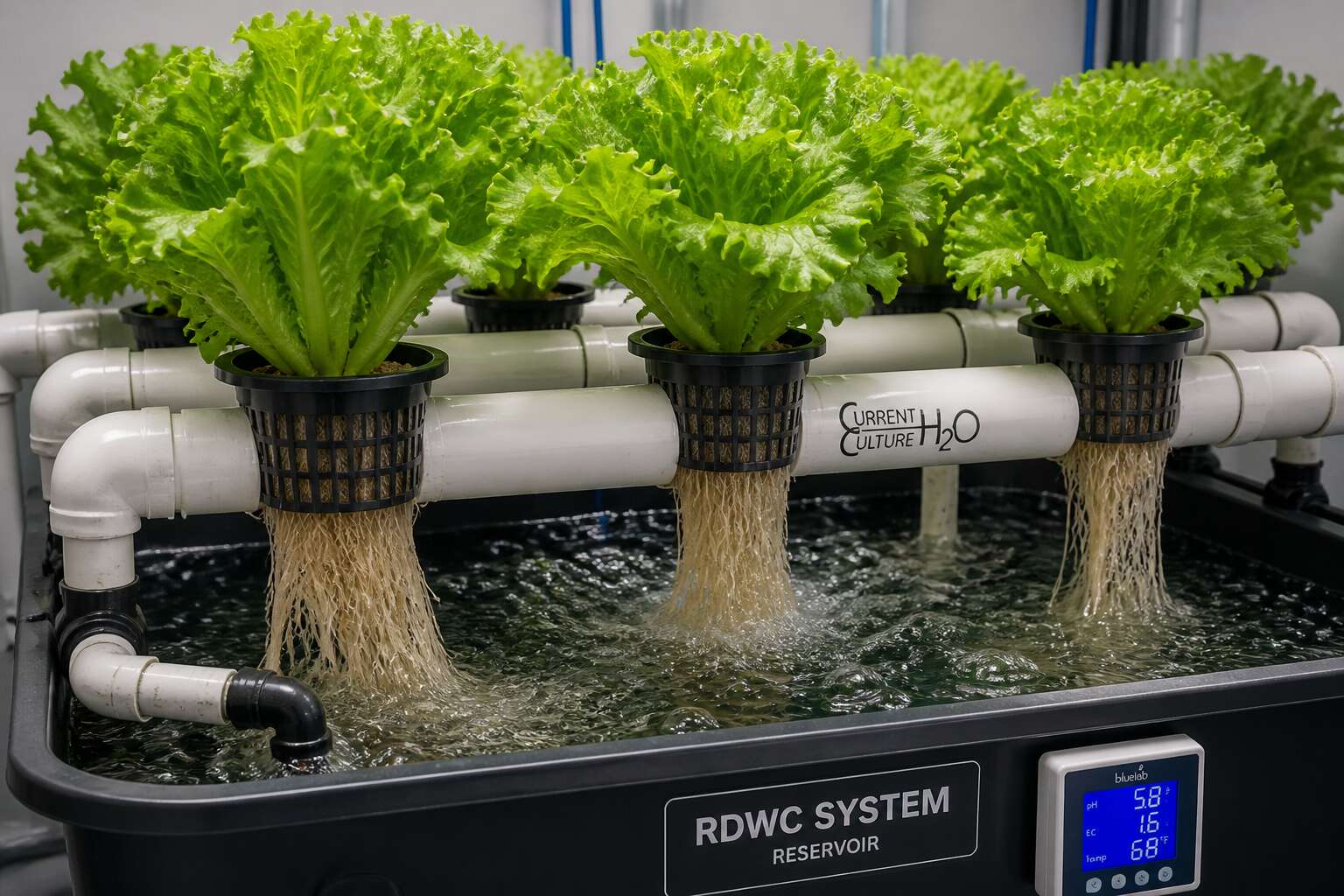
What Is Recirculating Deep Water Culture
In a country where municipal water pressure fluctuates daily, recirculating deep water culture offers a practical fix. A hydroponic system rdwc moves nutrient solution through sealed channels, returning it to a central reservoir instead of discarding it. I have seen basic DWC setups fail because the water sits still, turning stagnant under a hot Gauteng sun.
The roots hang directly into the oxygenated flow. Because the water never rests, dissolved oxygen stays high and root rot loses its foothold. Growers in the Cape have adopted this method to combat inconsistent tap water quality.
The appeal breaks down into three points:
- Every plant receives identical pH and nutrient readings
- One pump serves the entire system, lowering power demand
- Water use drops dramatically against soil growing
How RDWC Differs from Traditional DWC
For years, I watched growers in Durban wrestle with separate DWC buckets, each one a mini ecosystem demanding its own pH correction. Traditional deep water culture isolates every plant, so one sick root zone never warns the rest.
A hydroponic system rdwc ties those buckets together with return lines. The nutrient solution circulates through a single loop, so any adjustment I make in the main reservoir reaches every plant within minutes. That means one pH probe, one nutrient dose, one temperature check.
- Traditional DWC: each bucket has its own air pump, lid, and water level.
- RDWC: one central reservoir feeds all sites, so root temperatures stay consistent across the system.
In practice, this shift reduces maintenance hours and prevents the silent drift that kills static buckets.
The Science Behind Continuous Nutrient Flow
A hydroponic system rdwc transforms still water into a living current. The continuous nutrient flow erases the concentration gradients that form in static buckets. When roots respire and excrete waste, they create microenvironments around themselves. In a recirculating loop, those byproducts are flushed away before they can inhibit uptake.
The science is equilibrium. Every liter of solution passes through the central reservoir multiple times each hour. Dissolved oxygen stays saturated, pH holds a narrow band, and nutrient ions remain available at the root surface. This steady motion matters psychologically for me. I trust the system because it constantly resets the conditions.
I have seen the difference in root development. In traditional DWC, a plant sits in its own spent chemistry for hours. With a hydroponic system rdwc, the same water cycles through fresh oxygenation and mixing in minutes. That is a profound shift.
Ideal Crops for RDWC Cultivation
Choosing what to grow in a hydroponic system rdwc starts with matching root behavior to continuous flow. Some plants crave the steady oxygenation, while others resent the constant movement. Leafy greens and herbs are the forgiving ones. I have seen lettuce develop crisp heads in half the time of soil farming, with roots so white they look bleached.
For the most reliable returns, these crops stand out:
- Butterhead lettuce, which grows fast without bolting
- Basil and coriander, popular in South African kitchens
- Spinach and kale, tolerant of pH swings
Strawberries are a strong choice. Their crowns sit above the water, so the recirculating stream keeps roots moist without drowning them. Fruiting crops like tomatoes and peppers need staking and pruning, but they reward the effort with heavier yields. The hydroponic system rdwc suits growers who want variety without the mess of media.
Key Benefits of Using an RDWC Setup
Faster Growth Rates and Vegetative Development
Growers often measure the success of a hydroponic system rdwc by the explosive vigor of their plants. One of the most notable distinctions is the observable rapidity of vegetative expansion. Because the roots are suspended in a highly oxygenated, constantly moving reservoir, they absorb elements with far greater efficiency than in stagnant environments. This accelerated metabolism translates directly into a measurable increase in leaf mass and stem thickness within just a few days.
The aggressive aeration and consistent solution movement reduce the energy plants expend on root respiration. They instead channel that saved energy into cellular division and structural protein synthesis. This often results in:
– Larger, more expansive root networks
– A marked increase in internodal spacing
– Quicker recovery times after pruning
– Visible daily changes in canopy height
For cultivators, a faster growth cycle means a more efficient use of seasonal light and climate resources. When the root zone environment is perfectly moderated, the need for frequent foliar feeding diminishes. Your hydroponic system rdwc becomes a machine for delivering precisely what the crop demands, mitigating the stress that stalls smaller or slower hydroponic configurations. This early momentum reduces the overall time to maturity, allowing more harvests per year and delivering the results that serious growers crave.
Higher Yields with Consistent Oxygenation
In the relentless pursuit of heavier harvests, the cultivator’s weapon of choice is the dissolved oxygen level. Every grower in the humid climes of Durban or the arid expanses of the Karoo understands that the limitation is seldom genetics, but rather the environment. A hydroponic system rdwc delivers a torrent of life-giving oxygen directly to the rootzone, bypassing the limitations of terrestrial soil entirely.
This consistent oxygenation is the cornerstone of superior yield. The constant flow of nutrient-rich water is not merely passive; it is a dynamic force that strips away metabolic waste and replenishes vital elements. Roots in this state exhibit a voracious appetite, converting elements into floral mass with a ferocity that stagnant water pools cannot match. The quiescent zone, where oxygen levels plummet, simply does not exist. Instead, micro-bubbles of air ensure that every root hair, no matter how delicate, is perpetually bathed in vitality. For the discerning South African grower, this translates to a palpable increase in final dry weight.
The mechanics of production favour the diligent. Consider the sheer volume of biomass generated when the rootzone operates at peak efficiency.
- Floral density increases due to unhindered nutrient transport.
- Buds exhibit a tighter, more resinous architecture.
- Total harvest weight per square metre often exceeds conventional methods.
The system does not rely on chance or fickle weather patterns. It provides a controlled, almost prescriptive method to achieve maximum potential. One local cultivator in the Western Cape reported a 30% increase in marketable yield after switching to this method. The return on investment is measured in the sheer density of the final product, a testament to the power of consistent oxygenation. It is this precision that separates the amateur from the professional operation and ultimately dictates the profitability of the entire venture.
Efficient Nutrient and Water Delivery
Recirculating systems reuse nearly all their water, cutting consumption by as much as 40% compared to traditional runoff methods. In a hydroponic system rdwc, the nutrient solution travels continuously from reservoir to root zone and back, delivering minerals with precision while removing metabolic waste.
This delivery method changes how plants feed. The constant motion keeps ions suspended and available, so roots never face a depleted microzone. Growers in South Africa, where water restrictions are common, benefit directly from the reduced demand. Nutrient use also becomes more efficient; you mix a batch once and let the system circulate it for weeks.
The practical advantages stack up:
– Reduced water and fertiliser costs
– Lower environmental impact from runoff
– Uniform feeding across all plants
Each pass of the solution equilibrates temperature, pH, and nutrient strength, turning the whole reservoir into one stable growing environment!
Reduced Water Waste Through Recirculation
In a country where water is a precious and often scarce resource, the logic behind recirculating deep water culture is compelling. The heart of this hydroponic system, RDWC, lies in its continuous flow. A central reservoir pumps oxygenated nutrient solution to each growing pot, which then drains back to be reoxygenated and reused. This closed loop dramatically changes the input equation for a grower.
The most tangible result is a significant reduction in water usage. Traditional methods that let nutrient solution run to waste can consume vast amounts of water daily. RDWC cuts that demand by recirculating the same water for extended periods, with estimates suggesting up to 40% less water is needed. For operations facing strict water restrictions or high municipal costs, this efficiency translates directly into a leaner operational budget.
Beyond the water savings, the system’s design fosters a more stable root environment. Because the solution is constantly moving and mixing, the nutrient concentration and pH levels remain remarkably consistent. This consistency prevents the “hot spots” or deficiencies that can occur in static systems. Growers find they are correcting imbalances less frequently, which saves time and reduces plant stress.
The financial benefits of this reduced water waste extend to fertilizer as well. Since the solution is recycled, the nutrients dissolved within it are utilized to their fullest potential. This minimizes the need for frequent mixing and lowers the overall consumption of nutrients, which is a key advantage for both the environment and the bottom line. If you are evaluating a hydroponic system, RDWC offers a clear path toward a more sustainable and cost-effective cultivation method.
Scalability for Hobbyists and Commercial Growers
Most growers fail because a room is outgrown, not because of nutrients or light. The quiet advantage of a hydroponic system rdwc is that its scale does not force a redesign. The same central pump and reservoir serve a single closet and a twenty bucket commercial layout.
I have grown a six site home system to sixty sites with one larger pump and a longer PVC return. Nothing else changed, and the rhythm of adding sites stayed identical.
- Every new bucket plugs into the same return line.
- One pump moves the whole volume, so growth means a single pump swap.
- Each added site repeats the same valve pattern.
In South Africa, where the first room is often a spare bedroom or a shared garage, that scaling is a real lever. A home grower moves into commercial territory without a separate system. That matters!
Essential Components and Equipment
Reservoir and Submersible Water Pump
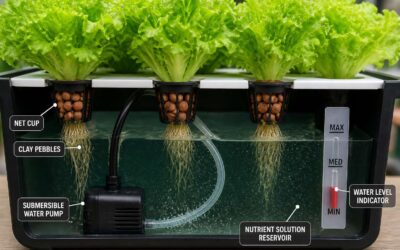
The reservoir and submersible water pump are the workhorses of any hydroponic system rdwc, quietly ensuring every plant receives identical conditions. In a properly configured recirculating setup, the pump pushes nutrient solution from the central tank into each grow bucket, while gravity returns the water to create a continuous loop. This cycle prevents the formation of stagnant zones and maintains uniform oxygen levels, which is the core advantage over simpler methods. I have watched systems fail when growers underestimate the pump’s duty cycle, so matching flow rate to total system volume is non-negotiable.
The reservoir itself does more than hold water. It acts as a temperature buffer, stabilizing the root zone against South African heat spikes. A dark, food-grade container prevents light infiltration, which would otherwise encourage algae growth. Submersible pumps should be rated for continuous operation, as they run 24/7 in a hydroponic system rdwc. Choose a pump with a pre-filter to minimize clogging from nutrient sediment. The tank’s capacity also dictates nutrient dosing, since a larger volume resists pH swings, giving you a forgiving margin if you miss a daily check. Keep the water level consistent; an errant air gap can cause cavitation and shorten pump life.
Grow Tubs, Net Pots, and Growing Media
Grow tubs are straightforward. In a hydroponic system rdwc, these buckets hold plants above the nutrient stream, and their dimensions dictate root space. A 20-litre tub suits leafy greens; fruiting crops demand double. Net pots sit inside the lid, suspending roots while letting water circulate. Choose pots with wide slots. Narrow mesh strangles lateral root growth.
Growing media often gets overlooked. Clay pebbles dominate because they wick moisture without suffocating roots. Other options exist:
- Perlite adds aeration but floats.
- Coco coir retains water yet compacts.
- Rockwool holds oxygen but needs pH pre-soaking.
Media must remain inert. If it alters pH or leaches minerals, your balanced reservoir becomes a chemistry experiment gone wrong. Rinse clay pebbles before first use. Dust clogs pumps and settles into every corner of your hydroponic system rdwc.
Air Pumps and Air Stones for Oxygen Enrichment
Roots drown without dissolved oxygen. A well aerated reservoir in a recirculating system can hold up to 8 parts per million, but only if the air delivery works. Air pumps and air stones are the lungs of a hydroponic system rdwc. The pump pushes air through tubing into stones submerged in the nutrient solution. The stones break that air into microbubbles, giving water a consistent oxygen charge.
This oxygen enrichment drives root respiration and keeps anaerobic pathogens from settling. In a RDWC setup, one powerful pump can feed multiple grow tubs through a manifold. Matching stone pore size to pump output matters. Coarse stones lift more volume; fine stones dissolve better at low pressure.
Plumbing, PVC Pipes, and Bulkhead Fittings
A single loose bulkhead fitting can drain 20 liters in an hour. The hydroponic system rdwc relies on PVC pipes and bulkhead fittings to move nutrient solution between grow tubs. A bulkhead fitting is a threaded collar that seals a hole in a tub wall. It lets you attach a pipe without leaks and frustration.
PVC pipes carry the flow. Use schedule 40 for durability. The return line should sit below the water level to create a siphon effect. The feed line can be smaller, but keep it consistent.
- Measure the tub wall thickness before buying bulkheads.
- Use Teflon tape on threads to prevent drips.
- Support long pipe runs with brackets.
One pump pushes water through the manifold, while gravity returns it. That balance keeps the hydroponic system rdwc stable. A loose fitting or cracked pipe causes flooding.
Water Chillers and Heat Exchangers for Temperature Control
Summer in the Karoo can push the nutrient solution past 26°C. At that point, dissolved oxygen drops and root diseases take hold. Water chillers and heat exchangers keep a hydroponic system rdwc in the safe zone. A chiller pulls heat away through a titanium coil. A heat exchanger moves heat across a separate fluid loop.
Size the equipment by the total water volume and the highest ambient temperature in your region. South African summer conditions strain undersized units. Keep the solution between 18 and 21°C for healthy roots.
Consider these configurations:
– Inline chillers, which connect directly into the recirculation line.
– Drop in compact chillers, which sit inside the grow tubs or reservoir.
– Heat exchangers linked to an external water source.
Run that unit during the hottest months, then trust it. A stable temperature keeps the hydroponic system rdwc steady for the remainder of the season!
Monitoring Systems for pH, EC, and Water Level
Precision in a hydroponic system rdwc depends on instruments that measure what the eye cannot see. pH probes track acidity shifts as plants feed, while EC meters reveal nutrient concentration in real time. A water level sensor completes the trio, guarding against pump cavitation and root exposure.
Consider the monitoring setup:
- pH controllers with dosing pumps for automatic adjustment.
- EC probes paired with a nutrient dosing system.
- Float switches or ultrasonic sensors for sump levels.
Probe drift is common, so routine calibration with fresh buffer solutions restores accuracy. Electrical noise from strong circulation pumps can distort signals; shielded cables reduce this. South African growers often add a backup battery for controllers, because a false reading during load-shedding can unsettle an entire crop overnight.
Step-by-Step Guide to Building Your Own RDWC
Planning the System Layout and Plant Spacing
Most builders underestimate how much space the system itself consumes before a single plant is added. A recirculating design with multiple grow tubs demands more floor area than you expect. Measure your available space first, then work backwards from there.
Sunlight exposure matters more than most guides admit. South African growers face intense light conditions, especially in summer. Your layout must account for shade patterns throughout the day. If you plan to use grow lights, factor in their reachable coverage area across all plant sites.
Here is a practical planning sequence for your first build:
1. Draw a rough floor plan with exact measurements of the grow area.
2. Mark where the reservoir will sit, considering easy access for maintenance.
3. Place each grow tub so that plumbing runs are straight and short.
4. Calculate net pot spacing based on your chosen crop’s mature spread.
5. Leave at least 300mm of walkway space between tubs for daily checks.
Plant spacing determines your system’s overall footprint. Leafy greens can sit 150mm apart while fruiting crops like tomatoes need 400mm or more. Crowding creates shading and airflow problems that reduce yields. Give each plant enough room to reach full size without touching its neighbour.
The reservoir sits outside the active grow area, which changes how you plan pipe runs. Keep the water pump close to the reservoir to reduce suction loss. Each return line should slope gently toward the reservoir so water flows freely by gravity.
Consider future expansion when you arrange your initial layout. Adding extra grow tubs later is easier when you leave spare space along one wall. A flexible design saves you from rebuilding your entire hydroponic system rdwc setup when your needs change.
Choosing the Right Pump GPH and Tubing Diameter
The right pump GPH keeps a hydroponic system rdwc flowing evenly. A weak pump leaves stagnant zones near the ends of the grow tubs. An oversized pump creates turbulence that stresses delicate roots. Match the pump to total system volume and aim for a complete turnover every hour. In South African summer heat, I prefer one and a half turnovers per hour.
Tubing diameter works alongside pump output. Narrow pipes create friction, forcing the pump to work harder and cutting actual flow. For most home builds, 25mm return lines handle up to 2,000 LPH fine. Larger systems with multiple grow tubs benefit from 50mm manifolds to distribute pressure evenly.
A simple sizing sequence:
- Calculate total water volume across all grow tubs and the reservoir.
- Add 20 percent for friction loss and future expansion.
- Choose a pump rated at or above that final figure.
- Select tubing matching the pump’s outlet size.
Installing the Return and Supply Lines Correctly
In my tinkering years, a hydroponic system rdwc is 90 percent plumbing and 10 percent plant care. Misjudge the return line’s slope and you will learn that quickly. Install the supply line from the pump to the far end of the grow tubs, then let gravity handle the return. Drop the return line at least 1 cm per metre. A level pipe breeds stagnant water.
Use a manifold for the supply line to split flow evenly in your hydroponic system rdwc. Secure each joint with a hose clamp. The return line should enter the reservoir above the water level for a gentle splash that adds oxygen. Check for kinks before starting the pump. A kinked hose cuts flow in half.
Follow this order:
- Dry fit all pipes and mark cuts.
- Glue only the joints you trust.
- Test with water before adding plants.
Then adjust the flow. A few minutes now saves a full restart.
Setting Up Air Circulation in Each Grow Tub
The difference between a thriving root system and a silent failure often comes down to a few millimetres of bubble movement. In a hydroponic system rdwc, air circulation inside each grow tub is not a luxury. It is the pulse that keeps nutrients moving through the root zone. Most hobbyists place one air stone per tub, but the real craft lies in positioning. Set the stone directly under the net pot, slightly off centre, so the water rotates gently without hammering the roots.
An air pump with individually valved outlets gives you precision. You can dial back a tub with young seedlings and open full flow for mature plants. Connect the airline through a grommet above the water level to avoid backflow. During your daily check, watch the bubble pattern:
- Fine, steady stream means even oxygen distribution.
- Large, irregular bubbles indicate a clogged stone.
- Dead spots near the tub walls call for a second smaller stone.
Adjust the valves until every tub in your hydroponic system rdwc shows that gentle, consistent roll. Then trust your eyes more than the timer.
Sealing Connections and Conducting Leak Tests
Sealing connections in a hydroponic system rdwc demands patience. A single drip can ruin your grow. Start with dry fittings. Test each joint before adding water. Use PTFE tape on threaded connections. For bulkhead fittings, tighten the nut hand tight, then a quarter turn with a wrench. Over tightening cracks the seal.
Conduct the leak test in stages. Fill the reservoir first and run the pump for ten minutes. Inspect every joint with a torch. Mark any moisture. Then fill the grow tubs and watch the water level for an hour. A drop of two centimetres signals a problem.
Here is a reliable sequence:
- Close all valves except the return line.
- Pressurise the system with the pump.
- Check each connection with a paper towel.
Balancing pH and Nutrient Solution Formulation
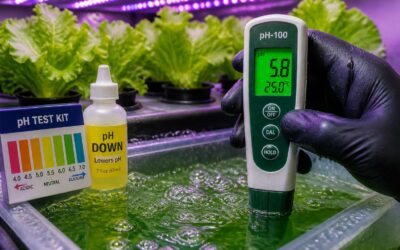
Most RDWC failures trace back to pH swings. The recirculating nature of a hydroponic system rdwc means a single miscalibration affects every grow tub. I always balance the reservoir before adding nutrients, because water chemistry shifts unpredictably once plants start drinking.
- Fill the reservoir with water and aerate for 24 hours.
- Measure baseline pH and EC, then adjust pH to 5.8.
- Add nutrients in the correct order: calmag first, then micro, then grow or bloom.
- Stir for thirty minutes and recheck pH, since nutrient concentrates drop it.
Use potassium hydroxide to raise pH and phosphoric acid to lower it. Never mix acids directly into concentrated nutrient stock. Test daily, because RDWC systems drift by 0.2 to 0.5 units per day.
Operation and Maintenance Best Practices
Daily Checks for Water Flow and Leaks
A quiet hydroponic system rdwc should not be a silent one. The constant, gentle gurgle of water returning to the reservoir is the heartbeat of your entire operation. When that rhythm changes, or the sound disappears entirely, it is time to stop what you are doing and pay attention. Your daily rounds are about noticing these subtle shifts before they become catastrophic failures.
Start by observing the water level in each grow tub, specifically the sight glasses if your system has them. A noticeable drop in one tub while others remain stable often points to a clogged return line or a failing bulkhead seal. Conversely, a tub that appears higher than usual means the overflow is struggling to keep up with the pump’s delivery rate. This imbalance creates pressure that will eventually find the weakest connection.
For the physical inspection, you will want to run your hands along the PVC joints and around every bulkhead fitting. You are feeling for moisture, not just looking for drips. A slow weep can evaporate quickly, leaving only a faint mineral crust as a clue. Check the following specific points:
– The seal where the return line enters the controller bucket.
– The base of each bulkhead where it meets the tub wall.
– The connection between the submersible pump hose and the main supply line.
– The underside of all top caps and access ports.
Use a clean, dry cloth to wipe down these areas. If the cloth comes back damp, you have found a problem. Tighten the fitting only slightly; over-tightening can cause the rubber gasket to deform and create a new leak. Your goal is a snug fit, not a forced one.
Water flow velocity also tells a story. You should visually confirm that the water in the supply line is moving with purpose. A sluggish current suggests the pump is working harder than it should, possibly due to a filter strainer blocked with organic matter. If you have a valve installed for flow control, check that it has not vibrated closed or open since your last adjustment. The system should maintain a consistent turnover rate, which is the volume of the reservoir passing through the grow tubs each hour.
A short, practical flow test involves temporarily closing the main ball valve to see if the pump builds pressure correctly. Open it again immediately and listen for the surge of water. This tells you the impeller is still intact and engaging properly. This action also helps clear any air pockets that may have formed in the supply line, which can cause the pump to run dry and overheat. These checks are not about chasing perfection; they are about building a reliable rhythm for your hydroponic system rdwc. Over time, you will learn the specific sound and pressure that is normal for your setup, and you will catch deviations early.
Managing Nutrient Strength and pH Fluctuations
The true test of a hydroponic system rdwc lies in its daily chemical rhythm. Nutrient strength, measured as EC, drifts upward as plants transpire water, while pH creeps upward or downward depending on your nutrient blend. This is not failure; it is the system breathing. Adjust only when the drift exceeds your tolerance band, usually 0.2 EC units or 0.4 pH points. Small corrections beat large swings. Keep a log of morning and evening readings. That log becomes your fingerprint for the entire operation. I often see growers overcorrect, chasing a number instead of observing the trend. Stability, not perfection, keeps roots healthy.
When pH fluctuates wildly, check the simple culprits first:
- Electrode condition and calibration
- Water temperature above 22 degrees Celsius
- Biological activity in the reservoir
Your system rewards patience. A steady hand beats a frantic one every time.
Cleaning the System and Replacing Parts
Cleaning a hydroponic system rdwc means more than wiping down the outside. Biofilm and salt deposits quietly accumulate inside pipes, reservoirs, and grow tubs. Over time, these residues alter water chemistry and harbor microorganisms that stress roots. I break down the system between harvests and give every component a thorough wash. A soft brush and a mild acid solution handle most build-up.
Sturdy parts still wear out. Check air stones for clogged pores. Inspect pump impellers for calcium crust. Replace bulkhead seals before they leak. Keep spare tubing and fittings on hand.
- Air stones lose porosity after months of use
- Impellers wear down faster than the motor
- Gaskets compress and lose their seal
Routine replacement prevents sudden failures that interrupt flow. That is the quiet discipline of a dependable setup!
Preventing Algae, Root Rot, and Pathogen Outbreaks
Seasonal Temperature and Dissolved Oxygen Management
A hydroponic system rdwc operates on a fine thermal edge. Water temperature dictates the saturation point for dissolved oxygen, and a shift of just a few degrees can alter root respiration. When summer heat threatens the reservoir, the biological demand for oxygen spikes. Conversely, winter chills slow metabolic processes, creating a different set of risks.
Seasonal changes require a dynamic approach to maintenance. Your water chiller becomes a critical component in the warmer months, maintaining a range between 18°C and 21°C. During colder periods, consider a submersible heater to keep root zones active.
Operational best practices revolve around consistent vigilance:
– Monitor dissolved oxygen levels daily using a handheld meter
– Clean or replace air stones biweekly to ensure fine bubble diffusion
– Check water temperature at different times of day to catch fluctuations
– Calibrate your temperature probes monthly for accuracy
A hydroponic system rdwc relies on the relationship between thermal stability and nutrient uptake. When water holds less oxygen due to higher temperatures, your plants experience a silent stress response. Adjusting your air pump output to counter seasonal shifts is not an optional step; it is a core responsibility. The goal is a stable environment where roots thrive regardless of the outside weather.
Troubleshooting Clogged Lines, Pump Failure, and Nutrient Burn
A single blocked pipe can undo weeks of careful nutrient balancing. In a hydroponic system rdwc, the common failures are not dramatic leaks. They are quiet. Clogged lines often come from root fragments or mineral sediment. I have seen growers replace a perfect pump while a tiny root clog sat right at the bulkhead! Check every connection before blaming the hardware.
Pump failure in a hydroponic system rdwc usually announces itself with a sloshing sound and a slow trickle. Inspect the impeller immediately when flow drops. Nutrient burn shows up as brown leaf tips and a rising EC reading. That means the solution is too strong, so dilute it promptly.
Daily operation rests on three habits:
- Watch water movement in every grow tub
- Flush lines during reservoir changes
- Check EC and pH before adding anything
Comparing RDWC to Other Hydroponic Systems
RDWC vs Nutrient Film Technique (NFT)
There is a peculiar tension between the nutrient film technique and a hydroponic system rdwc. NFT offers a shallow, silent flow, a thin ribbon of solution that teases the roots. RDWC instead holds its breath in deep reservoirs, circulating oxygenated water with relentless purpose. The difference is a matter of resilience.
When power fails or pumps stall, NFT channels dry within minutes, leaving exposed roots to wilt. A hydroponic system rdwc retains gallons of liquid, a buffer that keeps plants alive for hours. That depth also permits warmer temperatures without dissolved oxygen collapsing, a risk NFT growers face constantly.
- NFT requires a slope and precise flow rates to sustain the film.
- RDWC tolerates pump imprecision and uneven plant sizes.
For growers in South Africa, where load shedding interrupts schedules without warning, the choice becomes visceral. NFT is a tightrope walk; RDWC is a safety net.
RDWC vs Ebb and Flow (Flood and Drain)
Ebb and flow relies on a timer to flood trays, then lets them drain completely. That cycle suits potted plants and chunky media, but it leaves roots high and dry between pulses. A hydroponic system rdwc keeps the root zone submerged in a moving, oxygenated bath. There is no dry phase to stress the plant.
Load shedding exposes the difference. Ebb and flow depends on electrical timing; one missed cycle and the medium dries out. A hydroponic system rdwc holds a reservoir of solution that buffers the interruption, so plants stay hydrated until the pump resumes.
- Ebb and flow alternates wet and dry cycles.
- RDWC provides constant submersion in oxygenated water.
- Ebb and flow requires grow media for root anchorage.
- RDWC supports bare root growth in deep tubs.
Choosing between them comes down to temperament. Ebb and flow rewards a grower who can watch the clock. A hydroponic system rdwc offers steadiness when schedules fall apart.
RDWC vs Aeroponics and Drip Systems
In South Africa, rotational power cuts can starve aeroponic roots of moisture in under an hour, which is where a hydroponic system rdwc changes the calculation. Aeroponics suspends roots in a mist chamber, while drip systems meter solution onto a substrate. Both can outperform RDWC in precise application, but both carry risks that a submerged root zone avoids.
Aeroponics demands nozzle calibration and clean mist lines. Drip systems rely on emitters and exact timing. A hydroponic system rdwc instead stores the nutrient bath in large tubs, so circulation pauses do not immediately desiccate roots. The water volume buffers the interruption.
Consider the failure modes:
- Aeroponics requires daily nozzle cleaning and consistent mist pressure.
- Drip systems need careful emitter flow calibration.
- RDWC tolerates interrupted pumping without root exposure.
I prefer RDWC for its forgiveness. The others offer precision, but precision fails without constant electricity.
Choosing the Right Hydroponic Method for Your Goals
Many growers choose a system based on maximum yield claims, then ignore their own maintenance habits. That oversight causes more failures than any pump breakdown. I match the technology to your constraints. A hydroponic system rdwc fits when you want submerged roots with a wide safety margin.
- Are you growing for daily harvests or weekend hobbies?
- Can you check pH and flow every morning?
- What happens during a three hour outage?
- Which crops actually profit from constant recirculation?
These questions sort out your real priorities. You might discover that daily pH checks annoy you more than a clogged line. If so, a simpler design with larger reservoirs and fewer nozzles will serve you better. The goal is to grow something edible, not to impress a forum.

0 Comments