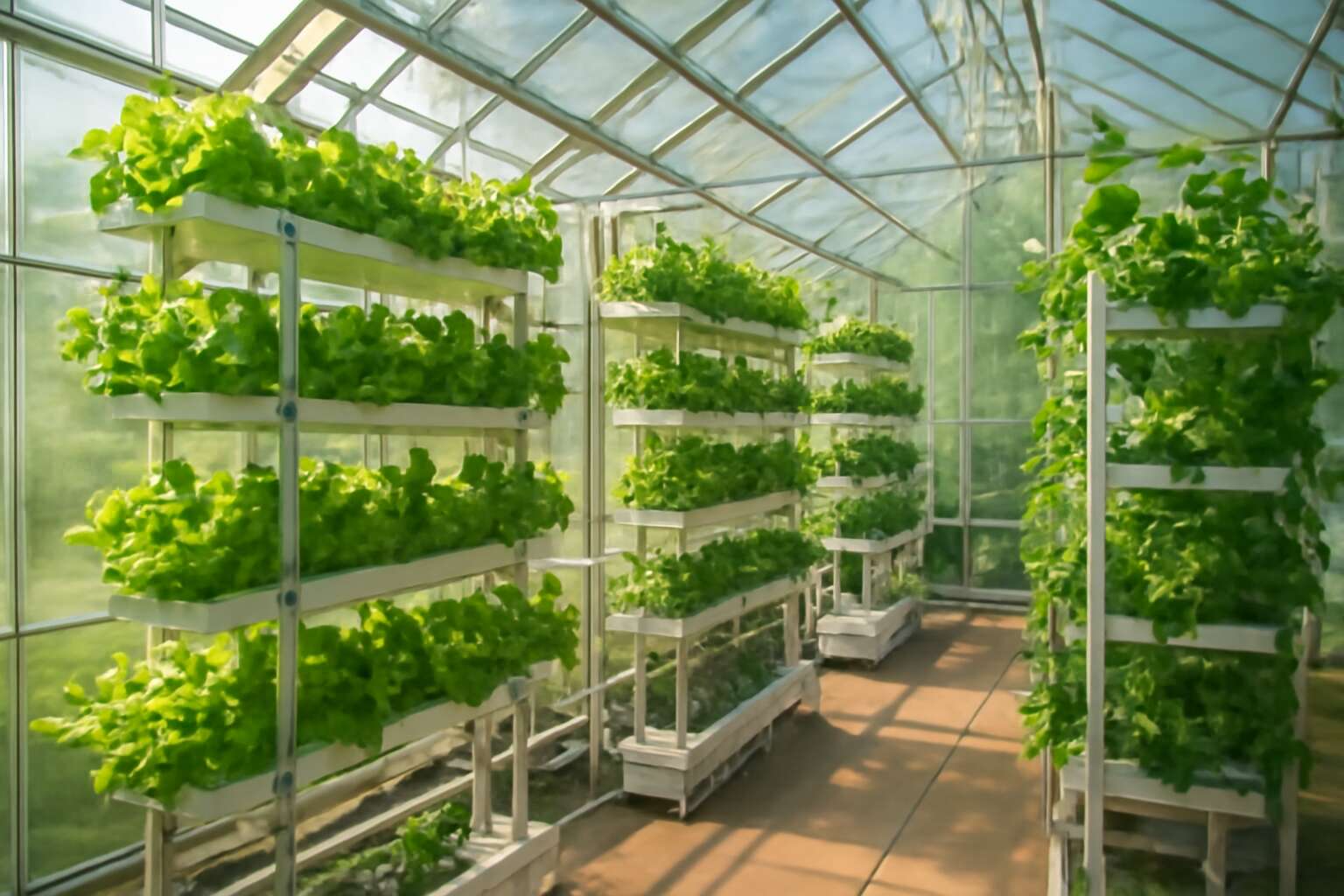
Definition and scope of hydroponics in agriculture
Overview of hydroponics principles
Farming in South Africa faces water stress and rising costs, yet resilience grows in a glasshouse of possibilities. Exploring hydroponics definition in agriculture reveals a soil-free approach where nutrients ride in water to plant roots. It isn’t a gimmick; it’s a disciplined method that values precision, resource stewardship, and the stubborn hope that good harvests can come from clean, controlled environments.
- Balanced nutrient solutions tailored to crop needs
- Continuous aeration and adequate oxygen for root respiration
- Closed or semi-closed systems that minimize water use and nutrient loss
Beyond the tech, hydroponics speaks to a philosophy of care—about cities, land, and communities. In SA, urban farmers improvise with limited space and sunlight; hydroponics becomes a bridge between edible produce and food security. A slow, intentional shift emerges where science and conscience meet, shaping a future that feels practical and purposeful.
Definition in the context of modern farming
Water scarcity reshapes farming in South Africa, demanding smarter approaches to grow more with less! This climate pressure sparks a practical shift toward controlled environments where resources stay in check and harvests stay reliable.
The hydroponics definition in agriculture is succinct: growing plants in nutrient-rich water rather than soil. In modern farming, this means precise nutrient mixes, continuous aeration for root oxygen, and systems designed to minimize waste.
- Urban and peri-urban production on rooftops or compact farms
- Resource efficiency with water and nutrient reuse
- Broad crop potential, from leafy greens to herbs and fruiting varieties
In South Africa, hydroponics expands access to fresh produce where land is scarce, supporting food security and local markets.
Key components of hydroponic systems
Hydroponics turns water into harvests with precision—less waste, more reliability. The hydroponics definition in agriculture is simple: growing plants in nutrient-rich water rather than soil. In modern farming, this means crops grown in controlled environments with exact nutrient mixes and steady aeration, so roots breathe and yields stay steady.
Key components of hydroponic systems include:
- Nutrient delivery and reservoir management
- Water aeration and root oxygenation
- Root-support structures and growing media
- Monitoring, control, and automation
In South Africa, this approach expands access to fresh produce where land is scarce, supporting food security and local markets. The hydroponics definition in agriculture signals a path to dependable harvests in cities and peri-urban towns alike!
What makes hydroponics different from traditional farming
In South Africa’s fast-growing urban centers, space is precious and water even more so. Yields per square meter can outpace traditional plots, while water use drops by up to 90% in controlled environments where nutrients are tailored and roots breathe through steady aeration. hydroponics definition in agriculture is simple: growing plants in nutrient-rich water rather than soil. This approach translates into dependable harvests and fewer resource-wasteful surprises, a quiet revolution for city markets and peri-urban communities alike.
Scope extends beyond glossy greenhouses. It touches rooftops, allotments, schools, and commercial farms, weaving into local markets and food security. In South Africa, hydroponics expands access to fresh produce where land is scarce and climate is fickle. The conversation now includes energy considerations, nutrient recovery, and smart monitoring to keep costs predictable.
- Urban and peri-urban food production
- Resilient supply chains for cities
- Educational and research partnerships
What is hydroponics? Core definition and concepts
Hydroponics explained: a concise definition
In a landscape where water can be scarce, hydroponics proves you can grow more with less. For the hydroponics definition in agriculture, think of plants thriving in a nutrient-rich solution rather than soil—roots soaking up minerals as you monitor every drop. It’s not magic; it’s engineered care that suits South Africa’s climate quirks and its growing urban farms alike.
The core ideas to keep in mind:
- Soilless cultivation keeps crops close to the nutrient stream
- Precise nutrient and pH balance drives uniform growth
- Closed or semi-closed systems save water
In practice, hydroponics aligns with modern farming goals such as higher yields, shorter cycles, and location flexibility.
How hydroponic systems operate: the basic mechanism
Globally, agriculture accounts for about 70% of freshwater withdrawals, a pressure that makes every drop count. In a landscape of scarce water, hydroponics reimagines growing by feeding roots with a precise nutrient bath. Think of hydroponics definition in agriculture as plants thriving in a nutrient-rich solution rather than soil, with roots soaking up minerals as you monitor every drop. It’s not magic; it’s engineered care that suits South Africa’s climate quirks and its growing urban farms alike.
Core ideas stay close to the nutrient stream, with precise nutrient and pH balance driving uniform growth, and closed or semi-closed systems saving water.
- Nutrient Film Technique (NFT) delivers a thin film of solution to roots
- Deep Water Culture (DWC) suspends roots in aerated, oxygen-rich water
- Ebb and Flow (flood and drain) cycles nourish roots as needed
In practice, these systems slash water use and shorten production cycles, bringing harvests closer to urban communities and markets. For South Africa, that means resilience amid drought and closer access to greens. The basic mechanism remains straightforward: a carefully balanced nutrient solution circulates, while roots receive oxygen and soak up what they need.
Soilless cultivation vs soil-based farming: a comparison
Freshwater is the new gold, and farming drinks most of it—about 70% globally. So what is hydroponics? hydroponics definition in agriculture is a method where plants flourish without soil, growing in a nutrient bath that feeds roots directly. Instead of digging into soil, roots sip a precise mix of minerals, with engineers pacing the exact amounts and pH, and the water endlessly recycled. It sounds dramatic, but I’ve seen it deliver steady, replicable care—perfect for South Africa’s climate quirks and crowded urban gardens alike.
- Soilless cultivation that gives you root access to nutrients
- Controlled environment, climate-resilient growth
- Water efficiency through recirculation
That blend of science and practicality makes it a viable path for delivering greens to urban markets.
Common hydroponic system types
Freshwater is the new gold: farms gobble roughly 70% of the world’s water, and in South Africa that scarcity is even more real! hydroponics definition in agriculture is a system where plants grow in a nutrient solution rather than soil, with roots sipping a precise mineral mix while water is recycled endlessly.
Core concept: the roots get fed directly in controlled environments, so crops can thrive despite climate quirks. Nutrient balance, pH, and oxygen levels are dialed in like a fine spice rack, delivering steady growth and predictable yields.
- NFT: Nutrient Film Technique
- DWC: Deep Water Culture
- Flood and drain (Ebb and Flow)
These systems offer different rhythms of aeration and maintenance, letting urban farms scale greens without soil.
Benefits and applications in agriculture
Boosting yield and resource efficiency
Across drought-haunted farms of South Africa, the idea behind hydroponics definition in agriculture sounds like a whispered oath: cultivate without soil, feed with precision, harvest with mercy. Water savings can reach ninety percent, and yields often exceed expectations even when the rain refuses to fall. It is a discipline where light, airflow, and nutrient streams choreograph a microcosm of growth, a controlled weather inside a glassy chamber.
- Water-use efficiency that preserves precious resources
- Localized nutrient delivery reducing waste
- Year-round production regardless of soil quality
In agriculture, benefits and applications bloom—from leafy greens in compact urban spaces to sprawling commercial plots—turning marginal land into dependable harvests. Its practical shape becomes clear, delivering lower water footprints, predictable quality, and resilient supply chains across South Africa’s varied climates.
Water conservation and sustainability benefits
Across drought-prone South Africa, water is currency; farms that embrace hydroponics report water savings that can reach ninety percent even when rain refuses to fall! The hydroponics definition in agriculture centers on cultivating plants with nutrient-rich solutions rather than soil, choreographing light, air, and streams into a precise microclimate of growth.
Three facets stand out in practice:
- Conserving water through a closed-loop irrigation system
- Delivering nutrients precisely to roots, minimizing waste
- Supporting year-round harvests in regions with unreliable soil quality
In South Africa’s cities and countrysides, these systems transform marginal spaces into dependable harvests—an elegant fusion of science and resilience that keeps shelves stocked and communities nourished.
Urban agriculture and controlled environments
Across South Africa’s urban roofs, a compact hydroponics setup can deliver fresh vegetables with dramatically less water—reports show savings up to 90%. The hydroponics definition in agriculture centers on growing plants in nutrient-rich solutions rather than soil, choreographing light, air, and streams into a precise microclimate of growth.
In urban agriculture and controlled environments, the system unlocks productive spaces where soil is scarce. Applications include:
- Rooftop farms on schools, hospitals, and business districts
- Vertical walls in warehouses for year-round yields
- Community green spaces that educate and feed local markets
Beyond yield, these setups foster resilience—slashing water use, cutting transport miles, and enabling precise nutrient management that reduces waste. It’s science with streetside practicality, turning vacant corners into dependable harvests!
Crops well-suited for hydroponics
A compelling statistic nails it: in urban trials across South Africa, designed hydroponic systems have slashed water use by up to 90%, turning small rooftops into reliable harvests. The hydroponics definition in agriculture clarifies this approach as growing plants in nutrient-rich solutions rather than soil, syncing light, air, and nutrients for precise growth!
Benefits go beyond yield. Efficient water use, year-round production, and predictable harvests reduce climate risk and food miles. Controlled nutrient delivery minimizes waste, supporting cleaner urban food systems and local markets.
Crops well-suited for hydroponics include:
- Lettuce and other leafy greens
- Basil, mint, and other culinary herbs
- Tomatoes and cucumbers
- Strawberries and peppers
Common methods and system designs
Nutrient film technique overview
The term hydroponics definition in agriculture captures a farming paradigm that moves beyond soil toward a nutrient-rich water film. In compact South African urban settings, NFT systems can slash water use by 30–50% and boost crop consistency!
- Thin film: a shallow, continuously flowing nutrient layer blankets roots.
- Gravity-driven flow: channels rely on gravity to circulate nutrients with minimal pumps.
- Root aeration: surface tension and air gaps keep roots oxygen-rich for rapid uptake.
Understanding the nutrient film technique overview reveals how closed-loop designs reduce leaching while delivering precise nutrition to each plant row, a quiet choreography behind reliable harvests in controlled environments.
Deep water culture explained
Deep water culture stands out in urban South Africa, where space is tight and reliability matters. The hydroponics definition in agriculture — roots bathe in a nutrient-rich water column rather than soil — guides this method, pairing simplicity with consistent yields.
In DWC, plants are suspended with their roots submerged in a well-oxygenated reservoir. An air pump and diffuser inject oxygen, while gravity helps circulate nutrients, reducing pump load. The setup suits compact containers and rooftop plots, delivering steady growth with modest maintenance.
- Constant aeration keeps roots healthy
- Minimal pumps and simple plumbing
- Scalable into modular tubs or totes
Ebb and flow systems in action
Ebb and flow systems act like a caffeinated heartbeat for hydroponic setups. Flood a tray with a nutrient-rich solution, then drain it to oxygenate the roots—a cycle that breeds dependable growth and minimizes standing water. In the simplest terms, the hydroponics definition in agriculture boils down to roots bathing in a nutrient-rich solution rather than soil, a concept perfectly suited to compact urban plots across South Africa.
- Timer-driven floods keep roots oxygenated without guesswork
- Compact trays, lids, and seals suit rooftop or balcony gardens
- Gravity-based drainage minimizes pump load and energy use
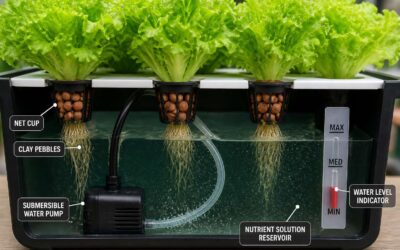
Seen in practice, ebb and flow relies on a sturdy reservoir, a flood tray, a pump, and an overflow that returns excess solution to the tank. A touch of air and gravity keeps the cycle steady, making maintenance modest and results reliably green for South African growers.
Aeroponics vs hydroponics: key differences
Across South Africa, urban farms embracing hydroponics definition in agriculture are reporting sharper yields and up to 40% water savings. Roots bathe in a nutrient-rich solution rather than soil, a concept that reshapes how we imagine urban growing. Aeroponics, by contrast, suspends root networks in air and shrouds them with a fine mist—maximizing oxygen but demanding precision and robust equipment. In my experience, rooftop gardens and school plots prove its versatility; hydroponics with submerged roots balances simplicity with steady energy use. It’s a spectrum that suits compact spaces and institutional greenhouses.
- Aeroponics uses air and mist, with high oxygen and precise control.
- Hydroponics (submerged roots) offers stable nutrients and simpler upkeep.
- Design choices like reservoir size and enclosure sealing affect reliability.
The distinction remains a design choice, reframing what rooftops and rooms can yield under South African skies.
Choosing a system for scale and crop type
Urban farms across South Africa prove big yields can come from small spaces. Water-smart designs are essential in arid climates, and growers tailor systems for rooftops, basements, and courtyards. For context, hydroponics definition in agriculture means growing plants in a nutrient solution rather than soil, a distinction with big implications for scale and resource use!
Common methods and system designs fall into practical families that fit crop type and space. Consider these options:
- Nutrient Film Technique (NFT) for greens
- Deep Water Culture (DWC) for leafy crops
- Ebb and Flow (Flood and Drain) for mixed veg
- Drip systems for larger pots and fruiting crops
Choosing a system for scale means weighing maintenance, reliability, and space. Small rooftops lean toward compact NFT or DWC, while larger facilities tolerate integrated drip or ebb-and-flow networks.
Challenges, considerations, and future outlook
Nutrient management and disease control
Across South Africa, hydroponics definition in agriculture reframes farming, showing how water-smart, soil-free cultivation can cut irrigation needs by up to 70% while boosting consistent yields.
Yet challenges loom. Nutrient management and disease control demand vigilance; even small imbalances ripple through growth. The future-friendly facet is precision: steady monitoring becomes part of daily practice.
- Precise nutrient formulation and stock management
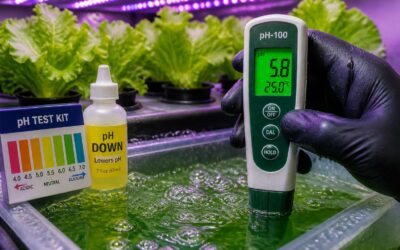
- Regular monitoring of pH and electrical conductivity
- Temperature control and adequate oxygenation
Looking ahead, automation, real-time sensing, and locally adapted strategies will deepen resilience in SA’s farms, making hydroponics a mainstream tool for food security and urban agriculture.
Initial costs and ongoing operating expenses
In South Africa, farmers report irrigation reductions of up to 70% with modern hydroponics, a lifeline in the drought-haunted landscape. Across SA, the persistence of water scarcity makes hydroponics definition in agriculture a beacon and a burden. The upfront price tag—greenhouses, pumps, sensors, climate control—lingers as a shadow. Ongoing expenses—from energy to nutrient replenishment—are steady drumbeats in the farm of the future. Power reliability and skilled labor heighten risk; outages feel like storms inside the glasshouse.
Considerations to balance this ledger include several cost centers.
- Capital outlays for structure and climate control
- Energy consumption and utility stability
- Nutrient solutions and water management systems
- Ongoing labor, maintenance, and data monitoring
Looking ahead, automation, real-time sensing, and locally adapted strategies will deepen resilience in SA’s farms. The horizon hints at a mainstream tool for food security and urban agriculture, where knowledge and resourcefulness waltz through the glass in quiet, humming order!
Emerging trends and future innovations in hydroponics
South Africa’s drought-ridden landscape makes the hydroponics definition in agriculture more than academic—it’s a lifeline. The balance hinges on reliable water, stable power, and disciplined climate control inside glass. Challenges arrive as outages, pests, and capital-intense systems that demand patience and stubborn optimism.
Key considerations to balance the ledger include these pillars:
- Structure and climate-control investments
- Reliable energy and grid stability
- Nutrient and water management systems
- Ongoing maintenance and data monitoring
Looking ahead, emerging trends promise real resilience for SA farms. The hydroponics definition in agriculture is expanding beyond textbooks, as automation and real-time sensing turn it into everyday practice—while locally adapted strategies reinvigorate urban plots.
- Autonomous climate management
- AI-driven nutrient optimization
- Solar-powered pumps with water recovery
- Modular, scalable units for city plots

0 Comments