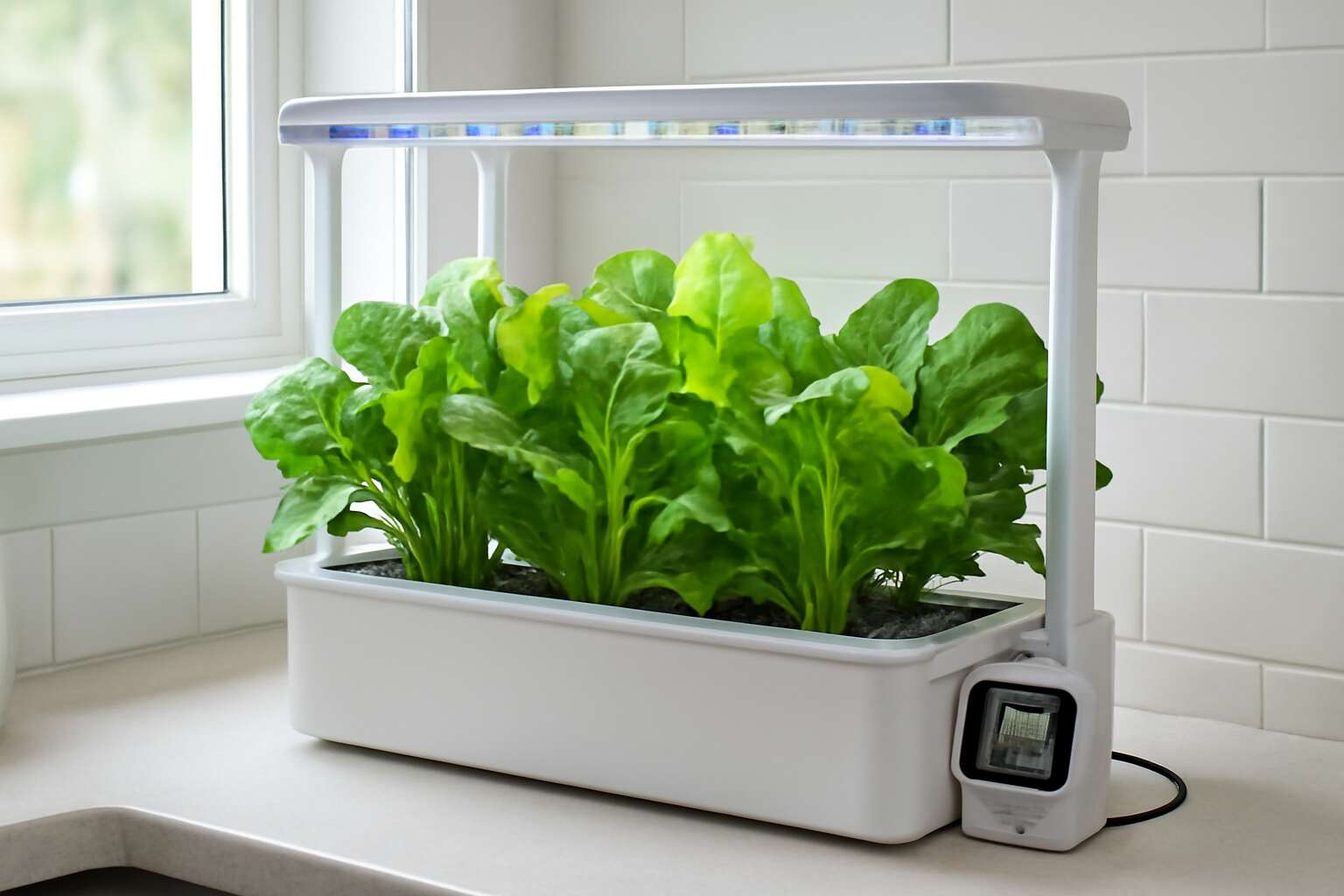
Are hydroponics expensive to run
Initial up-front costs and equipment
That question circles South African kitchens: could you really grow greens year-round with a cleanwater system in a tiny space? The lure is practical and cheeky: you can chase fresh greens in a balcony, a garage, or even a spare parking bay. Water consumption drops dramatically—up to 90% in many setups—and that efficiency helps the pocket and the planet, which is frankly a rare double act.
Initial up-front costs and equipment vary by scale. A compact home system can get going for a few thousand rand, while larger, fully automated rigs push the budget higher. Here’s the core lineup that most first-timers consider:
- Grow lights, ballast, and reflectors
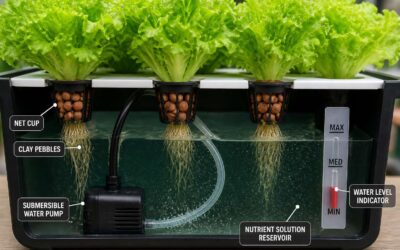
- Reservoir, pumps, tubing, and aeration
- Control panel, timers, and sensors
Common question: are hydroponics expensive to run. Ongoing costs boil down to electricity and nutrients, with some savings offset by reduced soil usage and transport. In many SA setups, the annual operating bill remains modest enough to justify the upfront leap.
Ongoing energy usage and efficiency
Sunlit balconies across South Africa are rewriting what it means to eat fresh. A compact hydroponic rig can dramatically cut water use—often by up to 90%—even in a small kitchen. The question are hydroponics expensive to run remains nuanced, dependent on scale, climate, and how the system is powered and programmed. In modest spaces, energy becomes a partner, not a burden, as greens unfurl under a steady, forgiving light.
Beyond the upfront hardware, energy management is where efficiency blooms.
- LED grow lights that sip electricity
- Smart pumps and timers to curb idle running
- Passive cooling and daylight integration
- Low-power sensors for irrigation and climate control
Tariffs in SA can swing, yet sensible design generally keeps the ongoing bill modest. It’s a quiet win for the pocket and for the planet.
Water and nutrient inputs
Water is the real cost in any indoor garden. In South Africa, hydroponics can slash water needs dramatically, but the question “are hydroponics expensive to run” hinges on irrigation and nutrient management. Small, well-tuned rigs run quietly and efficiently.
- Recirculating systems reuse nutrient solution, cutting fresh input and waste.
- Nutrient mixes are concentrated and can be tailored to crop stages, reducing overall use.
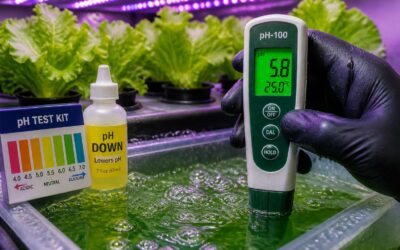
- Regular monitoring of pH and EC prevents overfeeding and saves nutrients.
Water inputs vary with design and source. In SA, municipal water costs depend on supply quality, and rainwater capture can shift economics. Nutrient inputs reflect local pricing and the choice of feed, shaping the ongoing expenditure and plant performance across crops.
Labor, maintenance, and reliability
Every grower knows the quiet hum of an indoor garden can outpace the storms outside. The question ‘are hydroponics expensive to run’ hinges on scale, labor, and how well you tune the system to South Africa’s rhythm.
Labor matters, but it’s not a bottomless drain. Trained staff can monitor sensors, adjust feeds when crops demand, and spot anomalies before they cascade into losses. A compact, well-maintained rig runs lean and steady.
- Preventive maintenance reduces downtime
- Local service and parts support improve reliability
- Automated monitoring lowers fatigue and human error
In the end, reliability comes from quality components and a culture of routine checks. The result is a garden that breathes with you, not against you.
Cost comparison by system type and scale
Across South Africa’s sunlit plains and the humming of dependable pumps, “are hydroponics expensive to run” hovers as growers weigh dreams against the ledger. Scale and system type decide the score: a balcony NFT barely nudges the budget, while a multilevel farm answers with a steadier, heavier breath. I watch the meters, and the plants answer.
- NFT (nutrient film) on compact scales with recirculating pumps
- Drip systems with targeted emitters for moderate to large spaces
- Deep water culture (DWC) for high throughput layouts
In SA, electricity tariffs and daylight economics tilt the balance, but the overarching rhythm remains predictable: the more you optimize reuse and keep automation lean, the more the yearly ledger stays honest.
Cost-saving strategies and ROI
Profit doesn’t bend easily in a sunlit greenhouse; it learns to ride the fluctuations of daylight and current. A SA grower once told me, “ROI is a patient, not a sprint.” That patience is the real currency behind the question: are hydroponics expensive to run? The honest truth skews with scale and system type, yet the tighter you align energy, water, and automation, the more the year’s ledger keeps its balance.
Cost-saving strategies hover in the margins of efficiency: lean automation, smart use of daylight, and reusing water and nutrients where possible.
- Energy and daylight optimization
- Water and nutrient reuse discipline
- Preventive maintenance and reliable components
In South Africa, the rhythm is not a simple constant; it’s a negotiation between sun, grid tariffs, and the growing canvas.

0 Comments